LIFESTYLE
Signs appear in the hands and feet before the liver gets damaged; ignoring them can be fatal
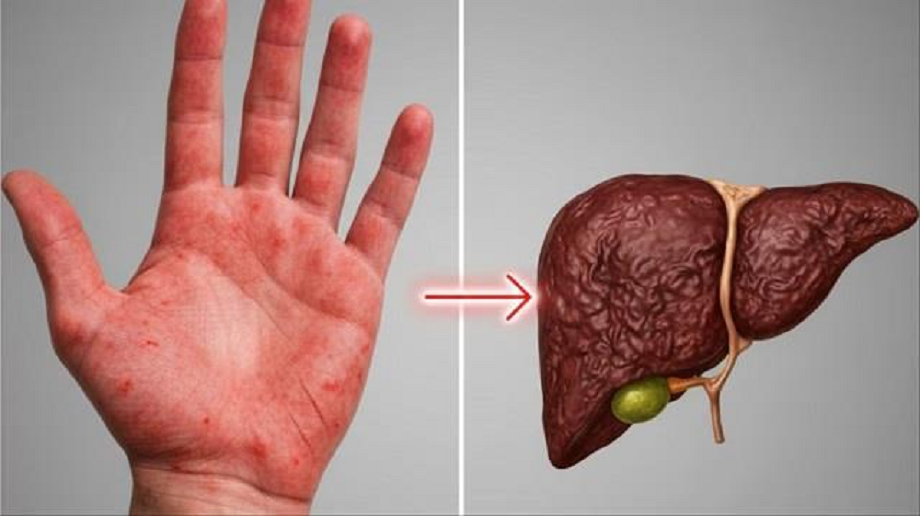
The liver is an organ in our body that purifies the blood, aids digestion, and removes accumulated toxins. However, liver disease progresses slowly, and often doesn't show any significant symptoms in the early stages. In such cases, the body gives off subtle signals, especially in the hands and feet. If these signals are recognized early, serious illness can be prevented.
Why are liver symptoms seen in hands and feet?
When the liver weakens, bile salts, toxins, and fluids in the blood cannot be excreted. These substances accumulate in the skin, veins, and extremities. Therefore, the first signs of liver disease often appear in the hands and feet.
5 major signs visible in hands and feet
Intense and persistent itching of the palms and soles
When the liver is damaged, bile salts begin to accumulate in the body. These bile salts penetrate the skin and cause intense itching. This itching is often more pronounced on the palms and soles of the feet and worsens at night. Sometimes, the skin becomes very rough, dry, and lifeless. This condition could be an early sign of cirrhosis or a blockage in the liver (cholestasis).
Swelling in the hands and feet
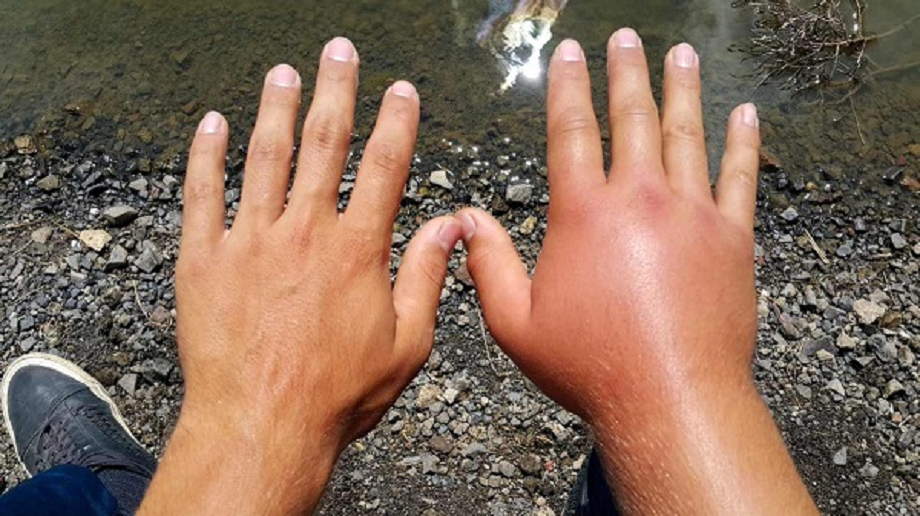
When the liver fails to function properly, the protein balance in the body is disrupted. This causes water to accumulate in various parts of the body. The first symptoms are seen in the hands and feet. Feet feel heavy, fingers swell, and shoes feel tight. This swelling occurs because the liver is unable to regulate the excess fluid in the blood.
Palmar Erythema
A very characteristic symptom of liver disease is reddening of the palms. The palms may appear slightly shiny and pinkish-red. Sometimes, a slight burning or warm sensation may also be felt. This symptom occurs when hormones and blood flow in the body become irregular, which can be a sign of liver disease.
Visible veins in the arms and legs or early bruising
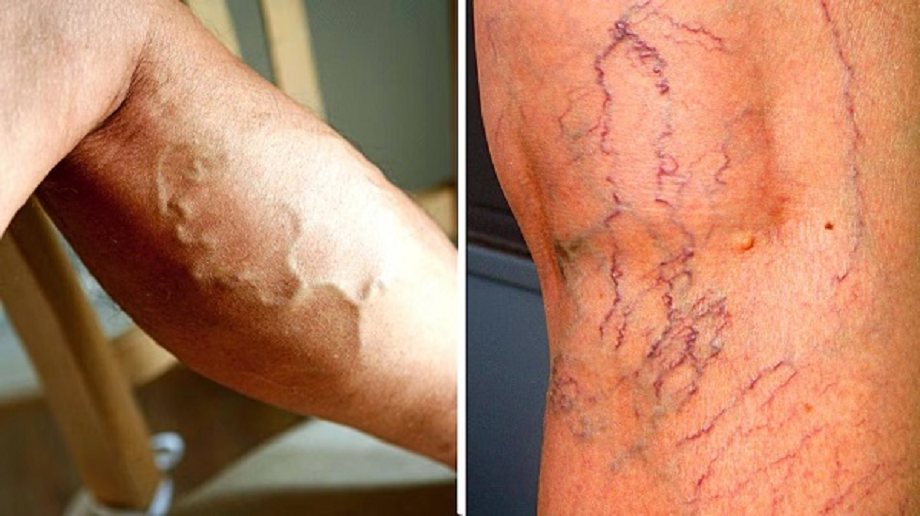
The liver produces blood clotting factors. When the liver becomes weak, blood has difficulty clotting. This can cause the blue veins in the hands and feet to become more visible. Furthermore, even minor injuries can quickly lead to bruises. Sometimes, a blue mark appears even without any visible injury. This is a sign that the liver is unable to manage blood properly.
Frequent severe itching all over the body, especially in the hands and feet
When the liver is unable to completely remove toxins from the blood, these toxins begin to accumulate in the skin and cause intense itching. This itching may occur not just in one area but throughout the body, but the hands and feet are most affected. The itching is persistent and does not subside even after scratching. This can be a serious sign of liver damage.
Don't take these symptoms lightly!
If you experience symptoms like persistent itching, swollen feet, redness in the palms, and visible veins, or bruising, consult a doctor immediately. It's important to get a liver function test (LFT) done promptly.
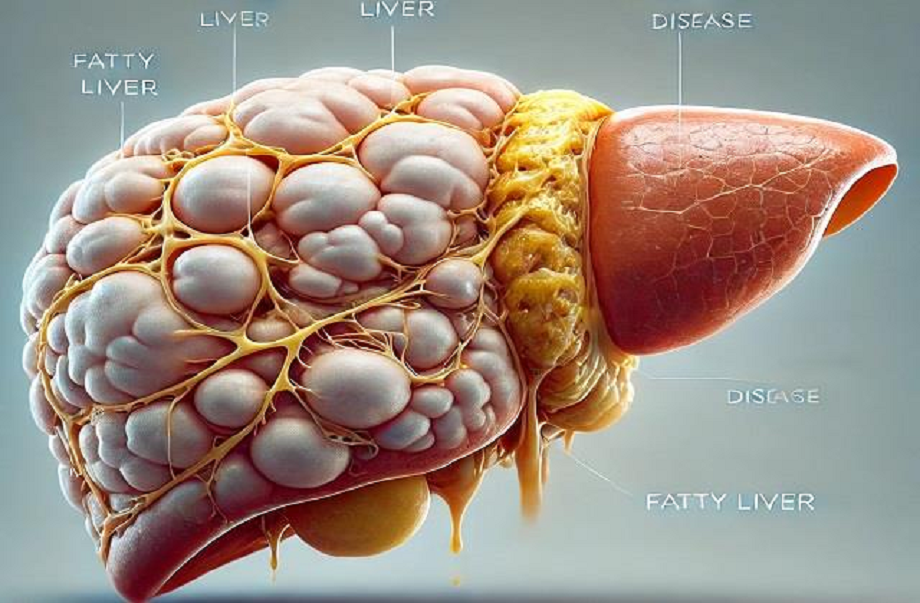
How to protect the liver?
Limit alcohol and fried foods. Avoid high-fat foods. Drink 8–10 glasses of water daily to flush out toxins. Walk for 20–30 minutes daily. Avoid weight gain to prevent fatty liver. Consult your doctor and have your liver checked regularly.
PC:Punjab Kesari