TECH
Sent Money to the Wrong UPI Number by Mistake? Follow These Steps to Try to Get Your Money Back
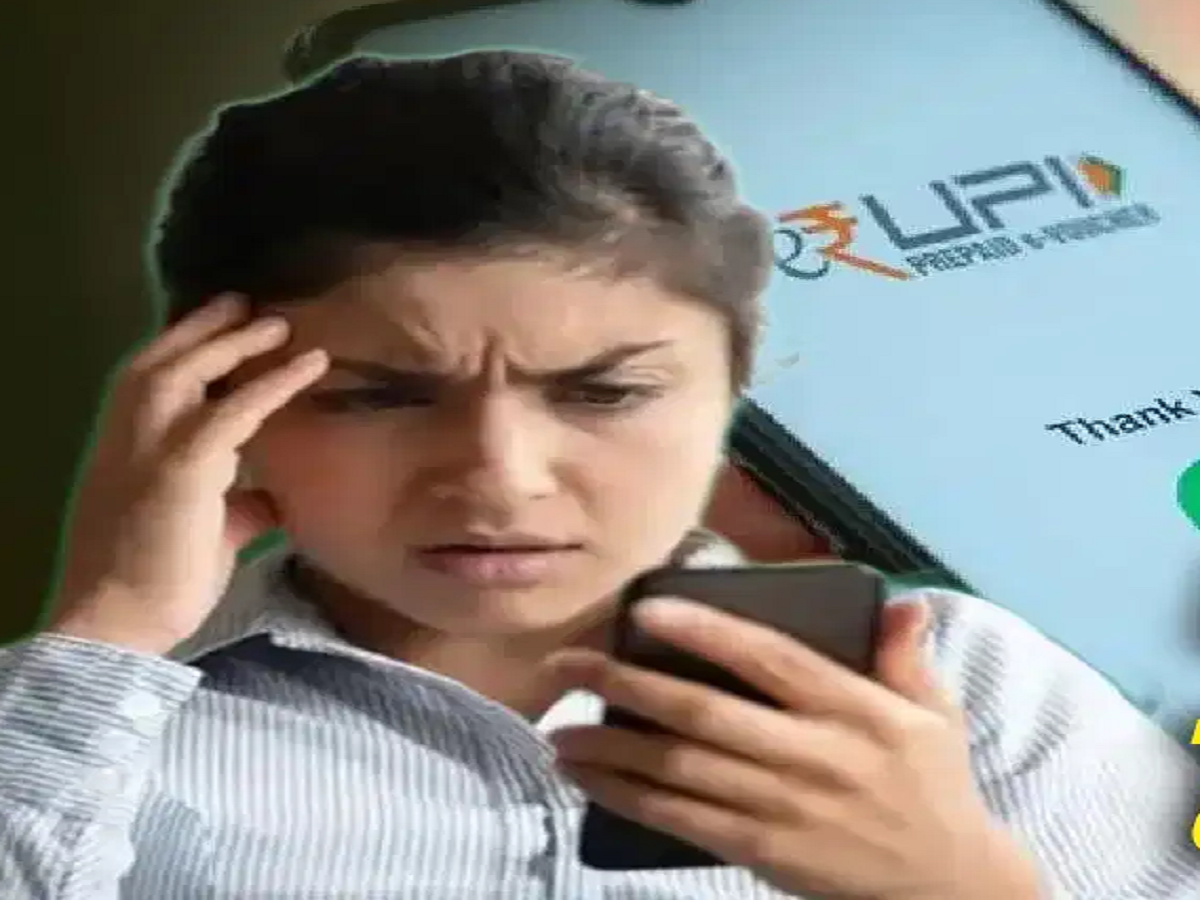
UPI has made digital payments incredibly convenient in India. Whether you are paying for groceries, ordering food or shopping at a mall, a few taps on your smartphone are usually enough to complete a transaction. However, entering the wrong UPI ID or selecting an incorrect recipient can lead to an unwanted transfer.
The good news is that there are steps you can take to report the mistake and try to recover your money. Acting quickly, keeping transaction records and contacting the right authorities can help you pursue the complaint.
1. Save Your UPI Transaction Details Immediately
As soon as you realise that you have sent money to the wrong person, save all the details of the transaction. Take a screenshot of the payment confirmation and note the following information:
-
Transaction ID or UTR number
-
Amount transferred
-
Date and time of payment
-
Recipient's UPI ID or other available details
-
Name of the payment app used
These details will help your bank and payment service provider identify the transaction and investigate your complaint.
If you can safely contact the recipient, explain the mistake politely and request a refund. However, never share your UPI PIN, OTP, banking password or other confidential information with anyone claiming to help you recover the money.
2. Report the Wrong Transfer Through Your UPI App
Your next step should be to raise a complaint through the payment application you used.
Apps such as Google Pay, PhonePe and Paytm generally provide transaction-related support options. Open the relevant payment, go to the Help or Support section and look for an option to report a payment problem.
Explain that the money was transferred to the wrong recipient by mistake. Provide the transaction details requested by the app and save the complaint reference number for future follow-ups.
Reporting the transaction through the app creates a record of your complaint, but it does not guarantee that the money will be returned.
3. Contact Your Bank Without Delay
Inform the bank linked to your UPI account as soon as possible. Explain that you made an incorrect transfer and provide the transaction ID, amount, date and supporting screenshots.
Ask the bank to register a formal complaint and advise you on the process for requesting a reversal. The bank may coordinate with the recipient's bank, depending on the circumstances.
Remember that a completed UPI payment generally cannot simply be cancelled by the sender. Recovery may depend on the nature of the transaction, the recipient's cooperation and the applicable banking procedures.
The sooner you report the issue, the sooner the bank can begin examining the case.
4. Raise a Complaint Through NPCI
The National Payments Corporation of India (NPCI) provides information about UPI transactions and the applicable complaint-resolution process.
If your issue is not resolved through the payment app, review the official NPCI website and follow the relevant UPI complaint procedure. Keep your transaction details and the reference numbers from your earlier complaints ready.
You can visit the official website at www.npci.org.in to find the relevant UPI dispute-resolution information.
Follow the prescribed escalation process and provide accurate information about the payment and the steps you have already taken.
5. Submit a Written Complaint to Your Bank
If you have not received a satisfactory response, consider visiting your bank branch and submitting a written complaint to the branch manager.
Include the transaction ID, amount transferred, date and time, a screenshot of the payment confirmation and any earlier complaint reference numbers. Keep a copy of the application and acknowledgement for your records.
Request a written response explaining the action being taken. This documentation can be useful if you need to escalate the matter further.
6. Escalate the Complaint to the RBI if Necessary
If your bank does not resolve the complaint satisfactorily, you may be able to approach the Reserve Bank of India's Integrated Ombudsman Scheme, subject to its eligibility requirements.
Generally, you must first complain to the bank or relevant regulated entity. If you receive an unsatisfactory response, or if the entity does not respond within the applicable period, you can check whether your case qualifies for escalation.
The official RBI Complaint Management System is available at cms.rbi.org.in.
Keep copies of your original complaint, the bank's response, transaction records and other relevant documents before submitting an escalation request.
Important Safety Tips While Trying to Recover Your Money
People who have lost money can become targets for additional scams. Fraudsters may pose as bank employees, payment-app representatives or recovery agents and promise an immediate refund.
Protect yourself by following these precautions:
-
Never share your UPI PIN, OTP or banking password.
-
Do not install unknown applications or give strangers remote access to your phone.
-
Never pay an advance fee to someone promising guaranteed recovery.
-
Do not approve an unexpected collect request under the impression that you are receiving a refund.
-
Use only official payment-app, bank and government complaint channels.
If the incident involves deliberate deception or another form of cybercrime, report it promptly through the appropriate cybercrime reporting channel as well.
Can You Always Get Money Sent to the Wrong UPI Account Back?
There is no guarantee of recovery. An incorrect transfer is different from an unauthorised transaction, and the applicable procedures may differ. A bank can investigate and facilitate the complaint, but a mistaken payment may not be automatically reversed.
The most important thing is to act quickly, preserve all transaction evidence and follow the official complaint process. Before making any future UPI payment, double-check the recipient's name, UPI ID and amount on the confirmation screen.
A few seconds of verification can help prevent the inconvenience and financial uncertainty of sending money to the wrong account.