INTERNATIONAL
Saudi Arabia Opens New Shipping Route Amid Hormuz Crisis, India Set to Gain from Enhanced Trade Connectivity

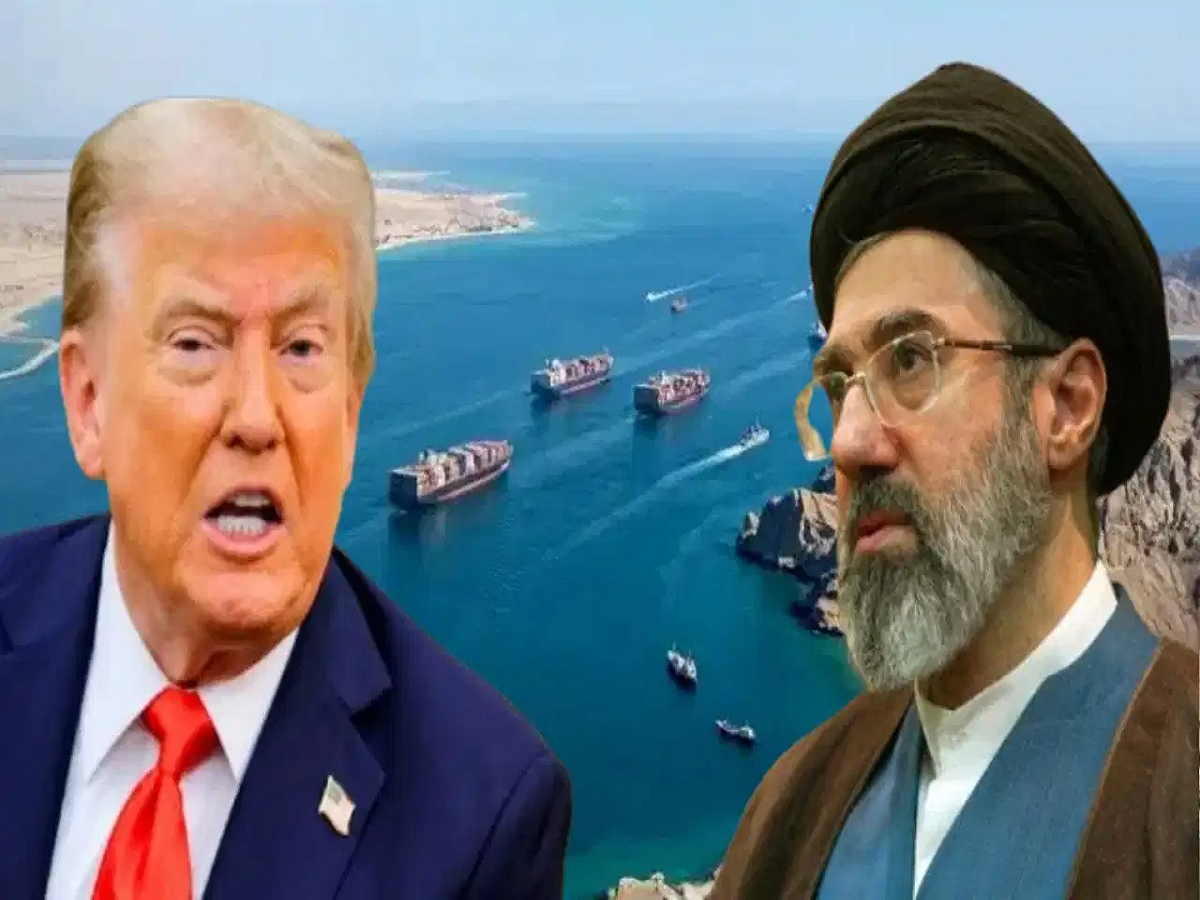
Amid growing geopolitical tensions in the Middle East and disruptions to traditional maritime routes, Saudi Arabia has launched a new shipping service aimed at strengthening trade links with India and East Africa. The initiative comes at a time when concerns over shipping movements in the region have increased due to instability around the Strait of Hormuz.
Saudi Arabia’s Ports Authority, Mawani, has announced the introduction of a new maritime service operated by Emirates Shipping Line through Jeddah Islamic Port. The new route is expected to improve cargo movement, enhance supply chain efficiency, and provide an alternative trade corridor connecting key markets in Asia and Africa.
New Route to Connect Saudi Arabia, India and Djibouti
According to Mawani, the newly launched service will establish direct connectivity between Jeddah Islamic Port, Mundra Port in India, and the Port of Djibouti. The service has the capacity to transport up to 2,144 Twenty-Foot Equivalent Units (TEUs), enabling smoother and faster movement of goods across the region.
The Red Sea corridor remains one of the busiest maritime trade routes in the world, and the new service is expected to strengthen commercial activities by offering reliable logistics support for businesses operating across multiple continents.
Boost to Saudi Arabia’s Logistics Ambitions
The launch forms part of Saudi Arabia’s broader strategy to enhance its global standing in the logistics and transportation sector. The Kingdom has been investing heavily in infrastructure and maritime connectivity as it seeks to diversify its economy and reduce dependence on oil revenues.
Mawani stated that the new shipping link supports the objectives of the country's National Transport and Logistics Strategy, a long-term plan designed to transform Saudi Arabia into a major logistics hub connecting Asia, Africa, and Europe.
By expanding shipping services and improving port connectivity, Saudi Arabia aims to attract more international trade while strengthening its role in global supply chains.
Why the New Route Matters for India
The development could be particularly significant for India, which relies heavily on maritime trade for both imports and exports. Recent disruptions and uncertainty surrounding shipping routes in the Gulf region have raised concerns among exporters, importers, and logistics companies.
With direct connectivity between Jeddah and Mundra Port, Indian businesses may gain access to a more efficient trade corridor, helping reduce delays and improve cargo movement. The inclusion of Djibouti in the route also creates additional opportunities for Indian exporters seeking access to African markets.
Industry experts believe that alternative shipping links such as this could help mitigate risks arising from regional tensions while ensuring the continued flow of goods between major trading partners.
Strengthening Supply Chains Across Regions
The new maritime service is expected to play an important role in improving supply chain resilience across the Middle East, South Asia, and East Africa. Faster transit times, improved connectivity, and diversified trade routes could benefit exporters, importers, and logistics providers alike.
As global trade continues to face challenges from geopolitical uncertainty, investments in alternative shipping corridors are becoming increasingly important. Saudi Arabia’s latest move reflects the growing focus on building stronger, more flexible trade networks that can support international commerce even during periods of disruption.
With India emerging as one of the key beneficiaries, the new Jeddah–Mundra–Djibouti shipping route could become an important link in regional trade and logistics operations in the years ahead.