LIFESTYLE
Safe Cooking: Ditch plastic, try these safer alternatives; The essential guide to microwave cooking
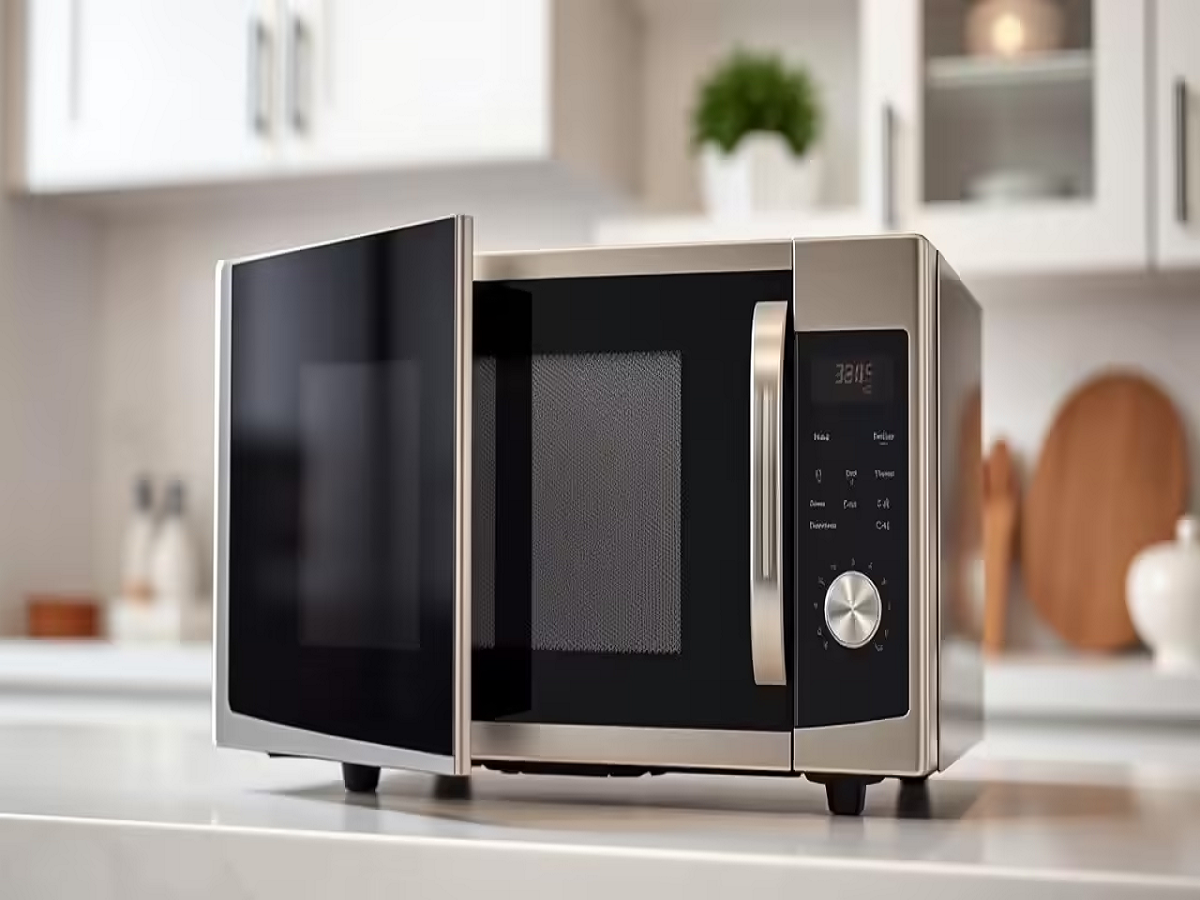
In today's fast-paced lives, the microwave has become our most trusted kitchen companion. Whether it's leftover vegetables from last night or lunch for the office, we often put food in a plastic container and heat it up in minutes. As easy as this sound, it can be just as dangerous. Recently, doctors and experts have made some revelations about the use of plastic in microwaves that could scare everyone
A deadly combination of plastic and heat
When we microwave plastic containers, the high temperatures cause the microscopic particles and harmful chemicals in the plastic to leach into the food. Plastic primarily contains two chemicals: bisphenol A (BPA) and phthalates. These chemicals are used to make plastic flexible and durable.
When these chemicals are heated and enter your body through food, they act as endocrine disruptors. This means they can disrupt your body's natural hormonal balance, leading to decreased fertility, obesity, and even an increased risk of certain types of cancer.
What is the truth about 'microwave safe' plastic?
Many utensils available in the market are labeled 'Microwave Safe'. But does this mean they are completely safe? Doctors say that this label only indicates that the utensil will not melt or break due to microwave heat. It does not mean that it is not leaching chemicals into the food.
Studies have found that even so-called safe plastic can release thousands of microplastic particles into the food when heated. These microscopic particles are so small that they cannot be seen with the naked eye, but they can accumulate in our blood circulation and organs and cause serious diseases in the long run.
Higher risk for children and pregnant women
These chemicals in plastic have the worst effects on children and pregnant women. Babies' bodies are developing, and these chemicals can hinder their growth. This is why experts now strongly discourage microwaving baby bottles or eating utensils.
What to do to stay safe?
Health is paramount, so a little caution can save you from big trouble. Here are some simple tips:
Use glass or ceramic: Always choose good quality glass (like Pyrex) or ceramic utensils for heating food. These materials do not leach chemicals into the food.
Alternative to steel utensils: Although metal cannot be microwaved, you can adopt the old technique of heating food on gas or induction.
Avoid plastic wrap: Many times we heat the plate by covering it with plastic film. This plastic comes in direct contact with the food and can melt and stick to it, which is extremely dangerous.
Dispose of old containers: If your plastic containers are old, scratched, or discolored, discard them immediately. Old plastic leaches chemicals more quickly.