LIFESTYLE
₹40 Cabbage vs ₹400 Broccoli: Is Clean Eating Helping You Lose Weight or Just Draining Your Wallet?
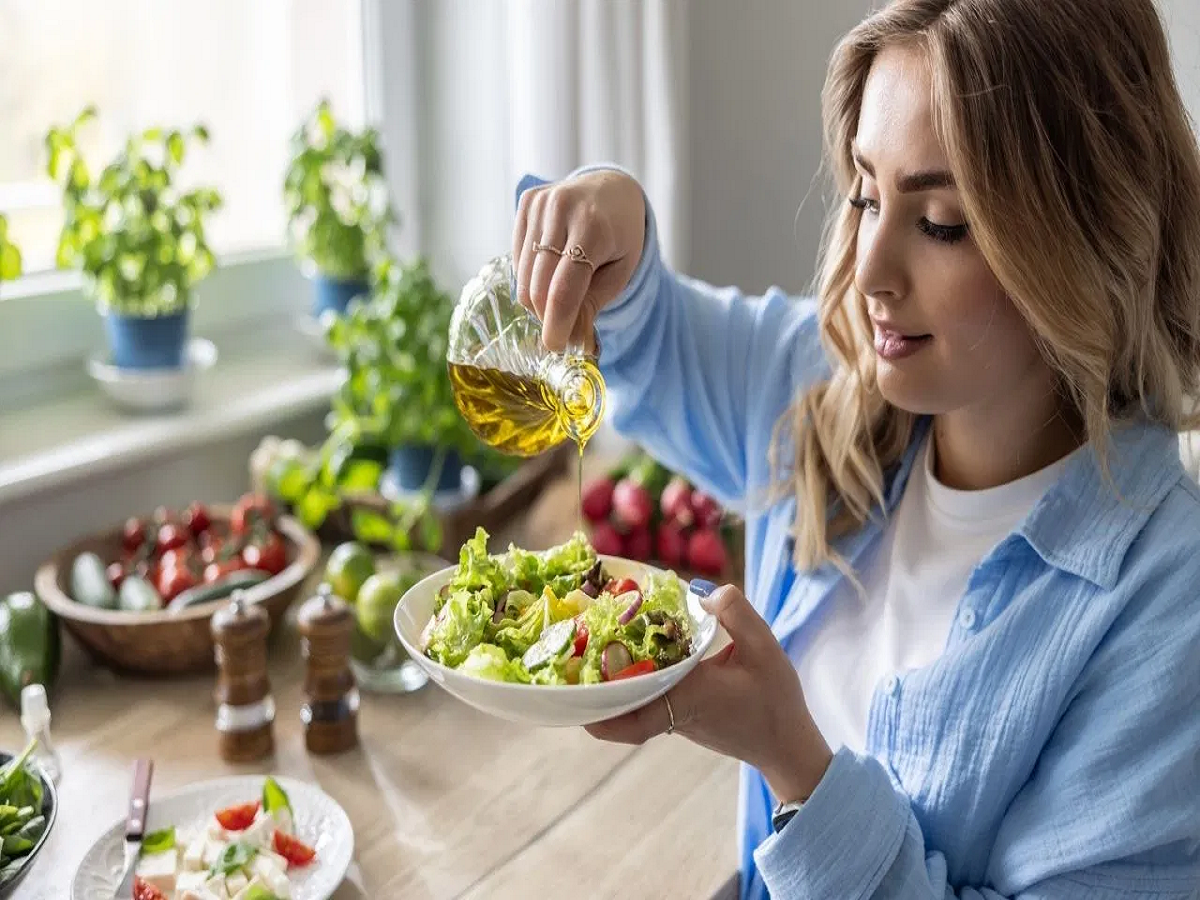
Healthy eating has become a popular lifestyle trend, with social media influencers promoting organic foods, imported vegetables, expensive superfoods, and premium diet products. But does eating healthy really require spending thousands of rupees every month? Or are people paying extra for products that offer little additional nutritional benefit?
Consider the experience of Saloni, a 28-year-old IT professional from Lucknow. Hoping to lose weight, she decided to follow a clean-eating diet recommended by a popular influencer. She replaced her regular poha with organic brown rice flakes costing ₹350, switched ordinary salt for pink salt priced at ₹250, and exchanged sugar for vegan stevia drops worth ₹450.
Within a month, her monthly grocery expenditure increased from ₹4,000 to more than ₹12,000. Despite spending three times as much, she noticed no significant change in her weight. Adding almond milk to her diet also caused digestive discomfort.
Her experience raises an important question: Is clean eating genuinely improving our health, or has healthy eating become an expensive marketing trend?
India's Health Food Market Is Growing Rapidly
The demand for organic products, plant-based alternatives, gluten-free foods, and other health-oriented products has increased as consumers become more conscious of their diets.
According to the market projection cited by Avendus Capital, India's health and wellness food market was expected to reach approximately $30 billion, or around ₹2.5 lakh crore, by 2026.
Products marketed as natural, organic, detoxifying, or fat-burning are attracting consumers who want to improve their health. However, these labels do not automatically guarantee superior nutrition or better weight-loss results.
The real challenge is distinguishing products that offer genuine benefits from those that primarily rely on attractive packaging and persuasive marketing.
What Do Nutrition Experts Say About Clean Eating?
Dietitian Dr. Geetika Chopra emphasises that improving health depends on sound nutritional choices and consistency rather than the price of the food.
Terms such as clean eating, detox, and fat burning can sometimes create the impression that everyday foods are unhealthy. When familiar ingredients are portrayed as harmful and expensive alternatives are promoted as essential, consumers may end up spending unnecessarily.
A healthy diet should provide adequate nutrition, support sustainable habits, and suit an individual's health requirements and budget. It should not create fear around ordinary foods.
₹200 Organic Rice vs ₹80 Regular Rice: Which Is Better?
Organic rice may appeal to consumers who prefer particular farming practices, but being organic does not automatically make rice lower in calories or higher in protein.
The nutritional value of rice depends on its variety and processing. Brown rice generally contains more fibre than polished white rice, while white rice can also fit into a balanced diet.
The better choice depends on your nutritional needs, portion sizes, overall diet, and budget. If organic rice is too expensive, regular rice is not something you need to eliminate simply to lose weight.
The same principle applies to vegetables. Broccoli is nutritious, but so is cabbage. Both provide valuable nutrients, and choosing affordable seasonal vegetables can help you maintain a healthy diet without overspending.
Similarly, homemade turmeric milk can be a nutritious beverage, but an expensive turmeric latte is not automatically healthier or a proven cure for disease.
Is Traditional Indian Food Unhealthy?
One of the biggest misconceptions surrounding clean eating is that traditional Indian meals are inferior to modern diet plans.
A balanced Indian thali containing roti, rice, dal, vegetables, curd, and legumes can provide a variety of essential nutrients.
Here is how these everyday foods contribute to nutrition:
-
Carbohydrates: Roti, rice, and millets provide energy.
-
Protein: Dal, chickpeas, kidney beans, soy, paneer, and curd contribute protein.
-
Fibre: Vegetables, fruits, legumes, and whole grains support digestive health.
-
Healthy fats: Nuts, seeds, and appropriate amounts of cooking oils provide fats needed by the body.
However, balance and variety matter. Depending on portion sizes and individual requirements, a traditional meal may need adjustments to provide adequate protein, fibre, and other nutrients.
The goal should be to improve the quality and balance of everyday meals rather than abandon familiar foods in favour of expensive alternatives.
Do Organic, Gluten-Free and Low-Fat Labels Mean Healthier?
Not necessarily. A product's nutritional value depends on its ingredients, composition, processing, and how it fits into your overall diet.
For example, regular oats can be nutritious, frozen vegetables can retain valuable nutrients, and pasteurised milk can be part of a healthy diet.
Likewise, gluten-free products are essential for people with conditions such as coeliac disease, but most people do not need to avoid gluten unless there is a specific medical reason.
Before buying a product because of its health claims, examine its ingredient list, nutrition information, added sugar, fat content, and serving size. Consider whether it offers a meaningful benefit over a more affordable alternative.
Can You Lose Weight Without Buying Expensive Diet Foods?
Yes. Weight loss does not require premium groceries, imported superfoods, or specialised products marketed as fat burners.
For most people, sustainable weight loss involves maintaining a calorie deficit, eating adequate protein and fibre, staying physically active, sleeping sufficiently, and following a routine they can maintain over time.
Here are some practical, budget-friendly choices:
-
Choose seasonal fruits such as guava, papaya, and bananas instead of assuming imported fruits are superior.
-
Include affordable protein sources such as dal, chickpeas, kidney beans, soy chunks, and curd.
-
Eat a variety of local vegetables, including cabbage, carrots, cauliflower, and spinach.
-
Use ordinary rice, atta, oats, and other staple grains according to your nutritional needs.
-
Limit unnecessary spending on detox drinks, unproven fat-burning products, and supplements you do not need.
Consistency in food choices and portion sizes generally matters far more for weight management than whether a product carries a premium label.
Before Trying a Viral Diet, Check These Things
Before following an influencer's diet plan or purchasing expensive health products, ask yourself three questions:
-
Is there credible evidence that this product provides the claimed benefit?
-
Can I get similar nutrients from affordable foods I already eat?
-
Does the diet suit my health requirements, preferences, and budget?
If you have a medical condition, food intolerance, or specific nutritional requirement, seek advice from a qualified healthcare professional or registered dietitian rather than relying entirely on social media recommendations.
The Bottom Line: Healthy Eating Should Not Become a Luxury
Clean eating should be about choosing a varied, balanced diet and developing sustainable eating habits, not replacing every ordinary ingredient with an expensive alternative.
Cabbage does not become unhealthy because broccoli costs more. Regular rice is not automatically inferior to organic rice, and a traditional Indian thali does not need to be rejected in the pursuit of fitness.
Some premium products offer genuine advantages, but higher prices alone do not guarantee better health or faster weight loss.
Ultimately, the smartest diet is one that meets your nutritional needs, fits your lifestyle, and remains affordable enough to follow consistently. Good nutrition is not about spending the most money at the supermarket; it is about making informed choices with the food available to you.