BUSINESS
Ration Distribution Gets a Digital Upgrade: Government Expands CBDC-Based Food Subsidy System
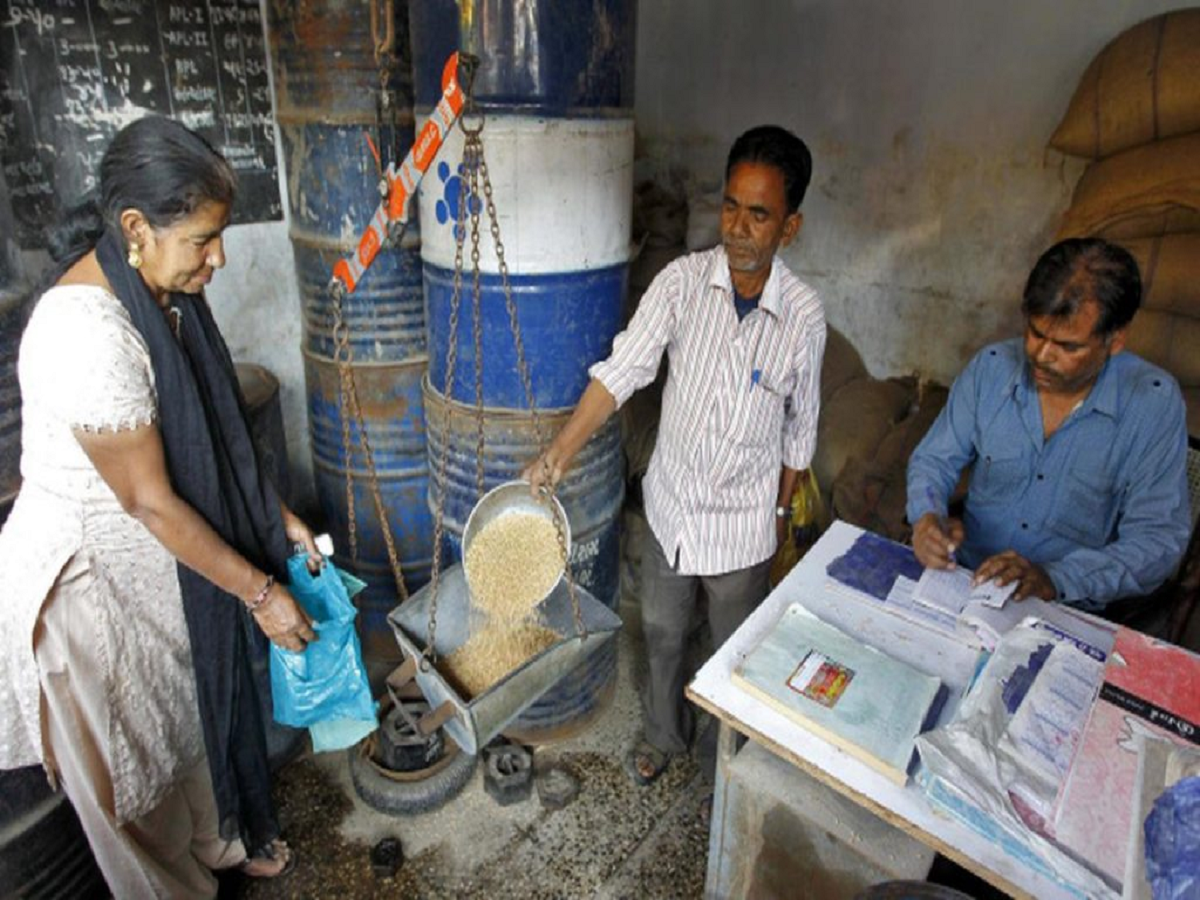
India's food-subsidy system is getting a technology upgrade. The central government has started expanding a Central Bank Digital Currency (CBDC)-based Direct Benefit Transfer (DBT) system for food subsidies, with Chandigarh and Dadra & Nagar Haveli joining the initiative in August 2026.
The move is aimed at making the delivery of government food benefits more transparent and digitally accessible while reducing dependence on traditional payment mechanisms.
What Is the New CBDC-Based System?
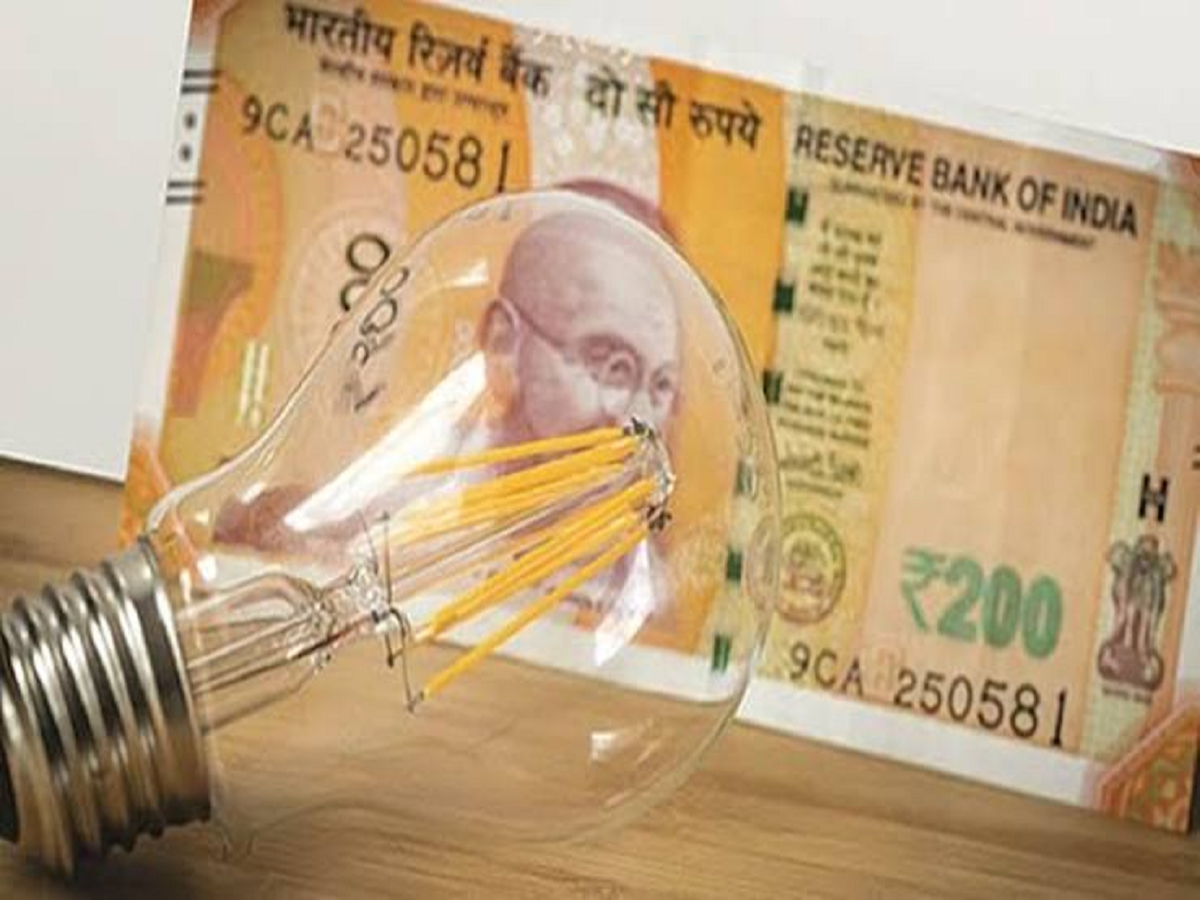
Under the initiative, eligible beneficiaries can receive food-subsidy benefits through a digital rupee-based mechanism.
The pilot was initially launched in Gujarat in February 2026, followed by Puducherry later that month. The government has now expanded the initiative to additional Union Territories.
The programme operates under the Pradhan Mantri Garib Kalyan Anna Yojana (PMGKAY) framework.
Why Is the Government Introducing It?
The objective is to use India's growing digital-payment infrastructure to make welfare delivery more efficient and transparent.
A digital system can create a clearer transaction trail and potentially make it easier to track how benefits are transferred to eligible recipients.
The move is also part of the government's broader push toward technology-driven financial inclusion.
What Happens to the Existing Ration System?
The CBDC-based initiative does not mean that the country's existing ration network is being replaced overnight.
The government continues to provide free foodgrains to more than 81.35 crore beneficiaries under PMGKAY. Almost all Fair Price Shops have also been automated, while ration cards have been fully digitised across States and Union Territories.
The One Nation One Ration Card system has also recorded more than 221 crore portability transactions, allowing beneficiaries to access their entitled foodgrains across participating locations.
What Could This Mean for Beneficiaries?
For people covered by the digital subsidy system, the biggest potential advantage is greater convenience and transparency.
Digital transactions can make it easier to maintain records of benefit transfers. They can also support faster reconciliation and monitoring of government payments.
However, beneficiaries will still need to meet the applicable eligibility requirements and follow the procedures specified by the authorities in their area.
Digital Payments Are Becoming a Bigger Part of Welfare Schemes
The latest move reflects a wider shift toward digital delivery of government benefits.
India has already expanded the use of Direct Benefit Transfer across numerous welfare programmes, with bank accounts, Aadhaar-based authentication and digital payment infrastructure playing an increasingly important role.
The CBDC-based food subsidy initiative takes this digital approach a step further by testing the use of the digital rupee in welfare delivery.
What Should Beneficiaries Do?
People should not assume that they need to open a new account or pay anyone to receive benefits under the initiative.
If the programme is applicable in your area, rely on official government notifications, your local administration or authorised ration authorities for instructions.
Do not share OTPs, PINs, banking passwords or other sensitive financial information with anyone claiming to provide government benefits.
A New Phase in Digital Welfare Delivery
The expansion of CBDC-based food subsidy transfers shows how India's digital infrastructure is increasingly being used for public welfare.
While the system is still being rolled out and tested in selected locations, its future expansion could provide another technology-based method for delivering government support.
For beneficiaries, the most important thing is to keep their official records and bank details updated and follow only verified government instructions as the system develops.