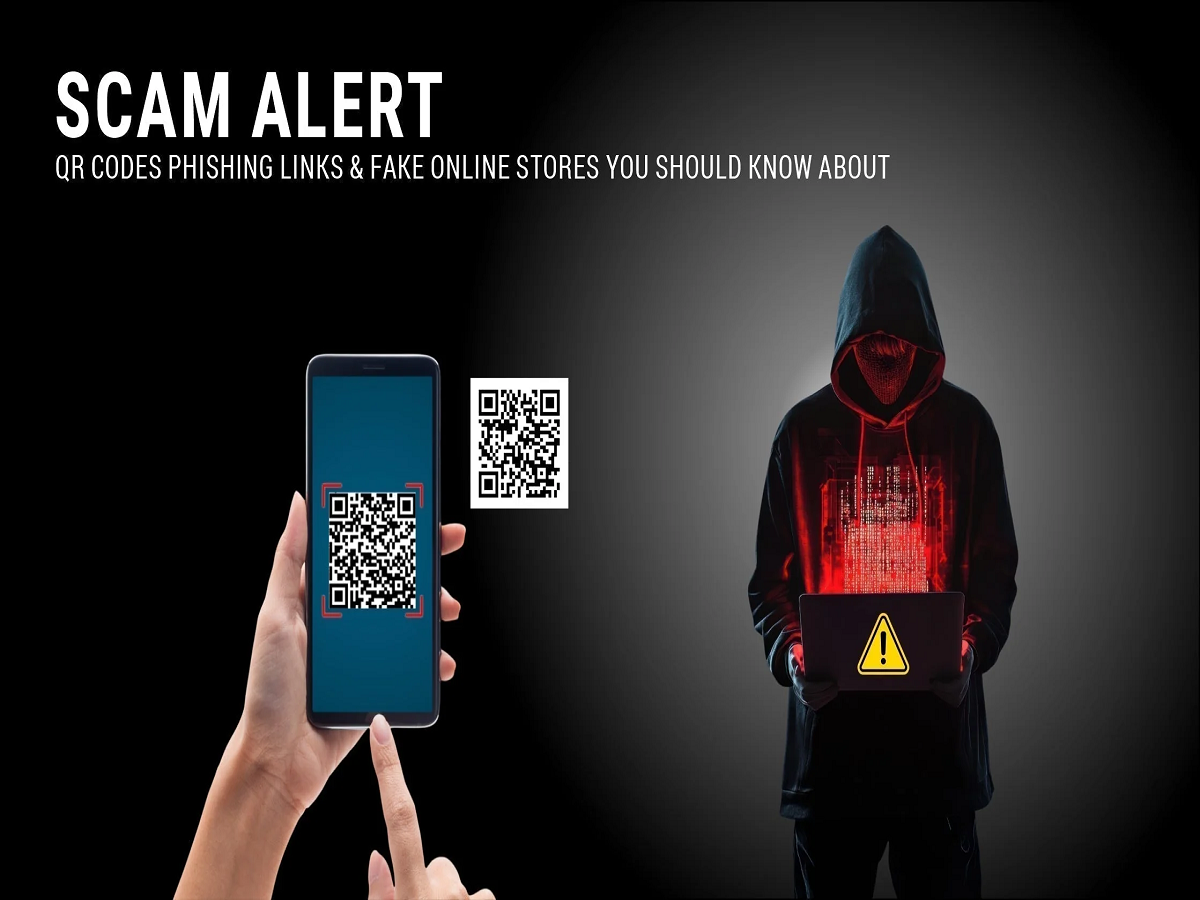
QR codes have become a normal part of everyday life. From making UPI payments and accessing restaurant menus to downloading apps and opening websites, a simple scan can perform several actions within seconds.
But scammers are increasingly using fake QR codes to trick people into making payments, sharing sensitive information or visiting dangerous websites. Knowing how these scams work can help you avoid losing money.
How QR Code Scams Work
A QR code itself is not dangerous. The problem is where it takes you after you scan it.
Scammers may place fake QR codes over genuine ones at shops, parking areas, posters, public places or even send them through WhatsApp and email. The code may redirect you to a fake payment page, a phishing website or an unexpected payment request.
In some cases, scammers may claim that you need to scan a QR code to receive a refund or prize. However, scanning a QR code and entering your UPI PIN can result in money being sent rather than received.
Never Enter Your UPI PIN to Receive Money
One of the simplest rules to remember is that you do not need to enter your UPI PIN to receive money.
If someone tells you to scan a QR code and enter your PIN to receive a refund, cashback, salary, prize or payment, stop the transaction and verify the request.
Your UPI PIN is used to authorise payments from your account.
Check the Payment Details Before Confirming
Before entering your UPI PIN, carefully check the name of the recipient and the amount displayed on your payment app.
If the recipient's name does not match the person or business you intended to pay, cancel the transaction.
Never approve a payment simply because someone tells you that it is required to complete a refund or verification.
Be Careful With QR Codes Sent on WhatsApp
A QR code received from an unknown person should be treated cautiously.
Scammers may use messages such as:
"Your account will be blocked."
"Your parcel is waiting for payment."
"You have won a reward."
"Scan this code to receive your refund."
Instead of immediately scanning, independently verify the message through the company's official app or website.
Fake QR Codes in Public Places
QR codes displayed at restaurants, parking lots, shops and other public locations can sometimes be replaced or covered with fraudulent codes.
Before making a payment, check the recipient's details shown by your payment application. If anything looks unusual, ask the business to confirm the correct payment method.
What to Do If You Accidentally Make a Payment
If you realise that you have made a fraudulent payment, act immediately.
Contact your bank or payment service provider and report the transaction. Save screenshots, transaction IDs, phone numbers, messages and other relevant information.
You should also report suspected financial fraud through the appropriate official cybercrime reporting channels as soon as possible.
The Golden Rule for QR Payments
A QR code should never be treated as proof that a payment request is genuine.
Before completing any transaction, check three things:
-
Who is receiving the money?
-
How much money is being requested?
-
Why is the payment being made?
A few seconds of verification can prevent a costly mistake.