INTERNATIONAL
Putin Sends a Strong Message to Trump: Why India and China Are Key to the New Multipolar World Order
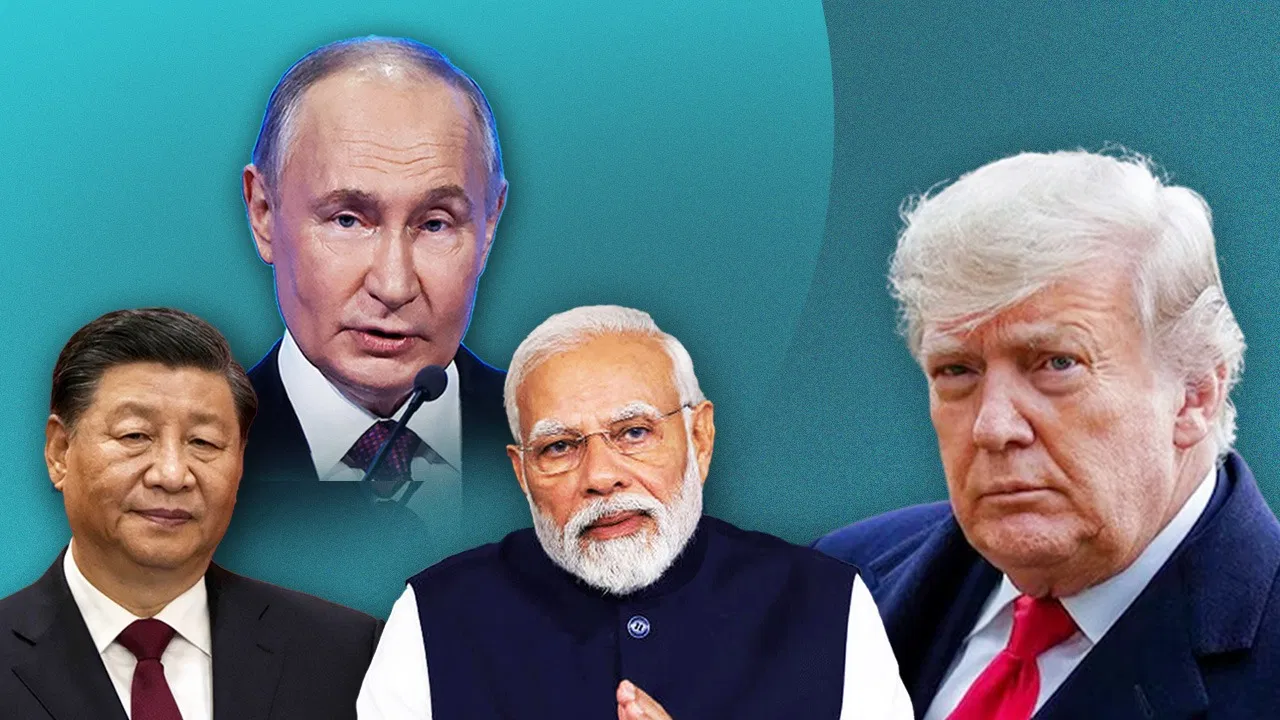
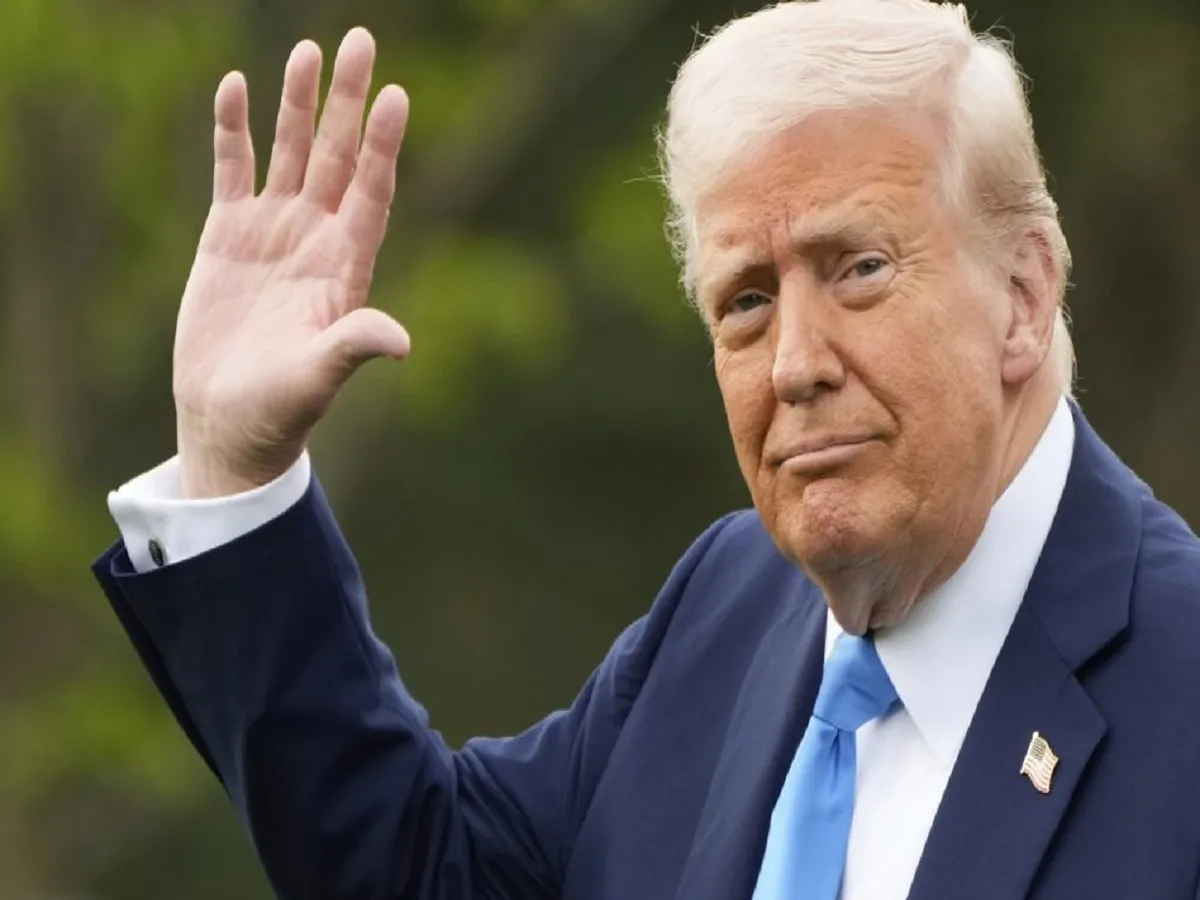
Russian President Vladimir Putin has once again underlined his vision for a multipolar world order, sending a clear message to U.S. President Donald Trump amid Washington’s tariff war. Speaking at a press conference in China after completing his four-day state visit, Putin emphasized that the global balance of power has shifted, and the growing influence of major economies such as India and China cannot be ignored.
According to Putin, the era of a unipolar world dominated by a single superpower is over. “Our economy is among the top four globally in terms of purchasing power parity (PPP). But this does not mean one country should dominate international politics or security. All nations must be treated equally,” he stressed. He called the unipolar model outdated and unjust, adding that forums like BRICS and the Shanghai Cooperation Organization (SCO) represent the more equal and cooperative framework that the world now needs.
What Putin Is Signaling
Putin made it clear that the multipolar structure he envisions will not mirror old imperialist systems, nor will it allow a single new hegemon to replace the U.S. Instead, he pointed to organizations such as BRICS and SCO, where countries like India, China, Russia, Brazil, and South Africa participate as equals.
This message comes at a time when America’s “First” policy under Trump aims to reassert U.S. dominance through trade protectionism and military superiority. By contrast, Putin is pushing for a more balanced approach, in which multiple powers jointly shape global security and economic rules.
What Is a Multipolar World Order?
The concept of a multipolar world means that no single nation acts as the global boss. Instead, several strong economies and regional groups share influence, creating a balance of power. Unlike the post-Cold War period, where the U.S. emerged as the sole superpower, the new order envisions collective decision-making and cooperation.
Key examples of this trend are:
-
BRICS (Brazil, Russia, India, China, South Africa): Focuses on economic cooperation and financial reforms.
-
SCO (China, Russia, India, Pakistan, and Central Asian states): Addresses regional security, trade, and connectivity.
-
G20: While dominated by the U.S. and Europe, emerging economies such as India, China, Brazil, and Indonesia increasingly counterbalance Western influence.
The Major Players in the Multipolar World
-
India – The fastest-growing large economy, maintaining balanced ties with both the West and with Russia-China.
-
China – A technological and economic powerhouse capable of challenging U.S. supremacy, despite Trump’s trade war efforts.
-
Russia – Leveraging military strength and vast energy resources to assert global influence.
-
Brazil – The largest economy in Latin America and an essential voice within BRICS.
-
South Africa – A key player in African politics and economy, shaping regional leadership.
Other countries like Indonesia, Saudi Arabia, and Iran also support multipolarity, as they prefer a system where rules are not dictated solely by Washington or the West.
Bottom Line
Putin’s remarks were more than a diplomatic statement—they were a direct message to Trump that the world is no longer willing to operate under U.S.-led dominance. With India, China, and other rising economies gaining influence, the multipolar world order is fast becoming a reality.