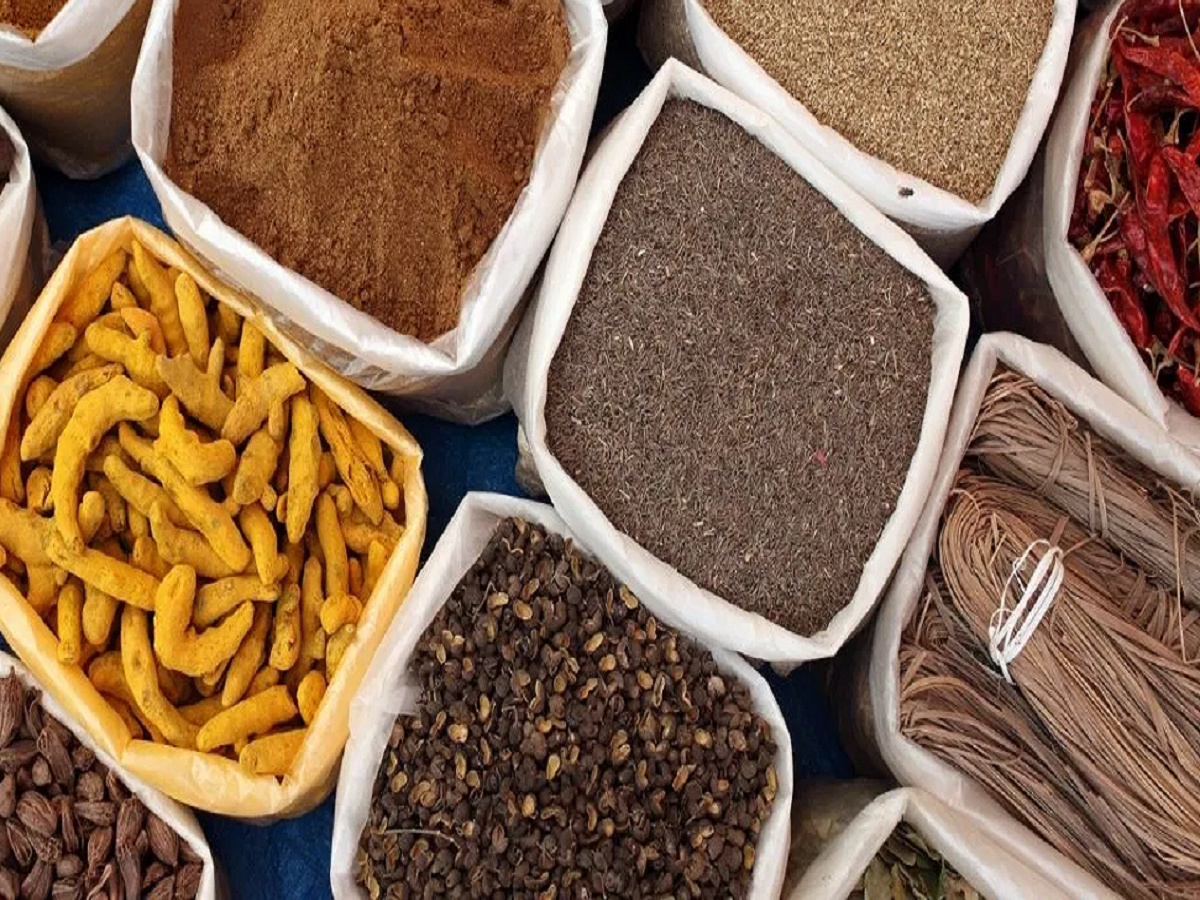
In modern kitchens, the convenience of pre-packaged spices has replaced the traditional mortar and pestle. However, this convenience often comes at a cost to our health. From synthetic dyes to organic waste, spice adulteration is a growing concern. Since these ingredients are prized for their medicinal properties, ensuring their purity is essential for genuine well-being.
Here is how you can perform simple "science experiments" in your kitchen to verify the quality of your spices.
1. Coriander Powder: The Float Test
Adulterants like sawdust or even horse dung are sometimes added to coriander powder to increase volume.
-
The Test: Add a teaspoon of coriander powder to a glass of water.
-
The Result: Pure coriander will slowly settle at the bottom. Adulterated particles are lighter and will remain floating on the surface.
2. Red Chili Powder: Checking for Artificial Color
Chili powder is frequently "enhanced" with brick powder or synthetic red dyes.
-
The Test: Stir a spoonful of chili powder into a tumbler of water.
-
The Result: While the powder will eventually settle, observe the water itself. If the water turns vivid red or purple, artificial colors have been added. If the water remains relatively clear, the spice is likely pure.
3. Turmeric: Identifying Chemical Dyes
Manufacturers often use synthetic chemical dyes to make turmeric appear more vibrant and "fresh."
-
The Test: Add turmeric to a glass of water and stir well.
-
The Result: If the turmeric settles at the bottom leaving the water transparent yellow, it is natural. If the water looks cloudy, opaque, or exceptionally dark, it indicates the presence of fillers or chemical dyes.
4. Cumin Seeds (Jeera): The Palm Rub
Whole spices aren't immune to tampering; cumin is sometimes mixed with grass seeds or coated in charcoal.
-
The Test: Take a small amount of cumin seeds and rub them vigorously between your palms.
-
The Result: If your palms turn black or dark green, the seeds have been treated with charcoal or synthetic coloring agents.
5. Black Pepper: Spotting the Papaya Seed Swap
Because dried papaya seeds mimic the texture and size of black pepper, they are a common "filler."
-
The Test: Drop your black pepper into a bowl of water.
-
The Result: Pure peppercorns are heavy and will sink. Papaya seeds (or poor-quality shriveled pepper) will float on the surface.
6. Rock Salt (Sendha Namak): The Potato & Lemon Test
Rock salt is a staple for many during fasting or for managing blood pressure, but it can be mixed with common salt or stone powder.
-
The Test: Cut a potato in half. Sprinkle a generous amount of rock salt on the cut surfaces and add a few drops of lemon juice.
-
The Result: Wait for a few minutes. If the potato slices turn black, it is a strong indicator that the salt is adulterated and not pure.
Expert Tip: Back to Basics
Whenever possible, try to purchase whole spices and grind them yourself. Not only does this guarantee 100% purity, but it also ensures you benefit from the full potency of the essential oils and medicinal properties found in fresh spices.