In today’s fast-paced lifestyle, poor diet, stress, and lack of physical activity are taking a visible toll on health. Conditions that once appeared mostly in older age are now increasingly seen in younger men. Among these, urinary problems are becoming more common.
Many men experience symptoms such as frequent urination, weak urine flow, or leakage of a few drops even after finishing urination. Because this issue often seems minor, it is frequently ignored. However, medical experts warn that persistent post-urination dribbling could signal an underlying health condition that needs attention.
What Is Post-Urination Dribbling?
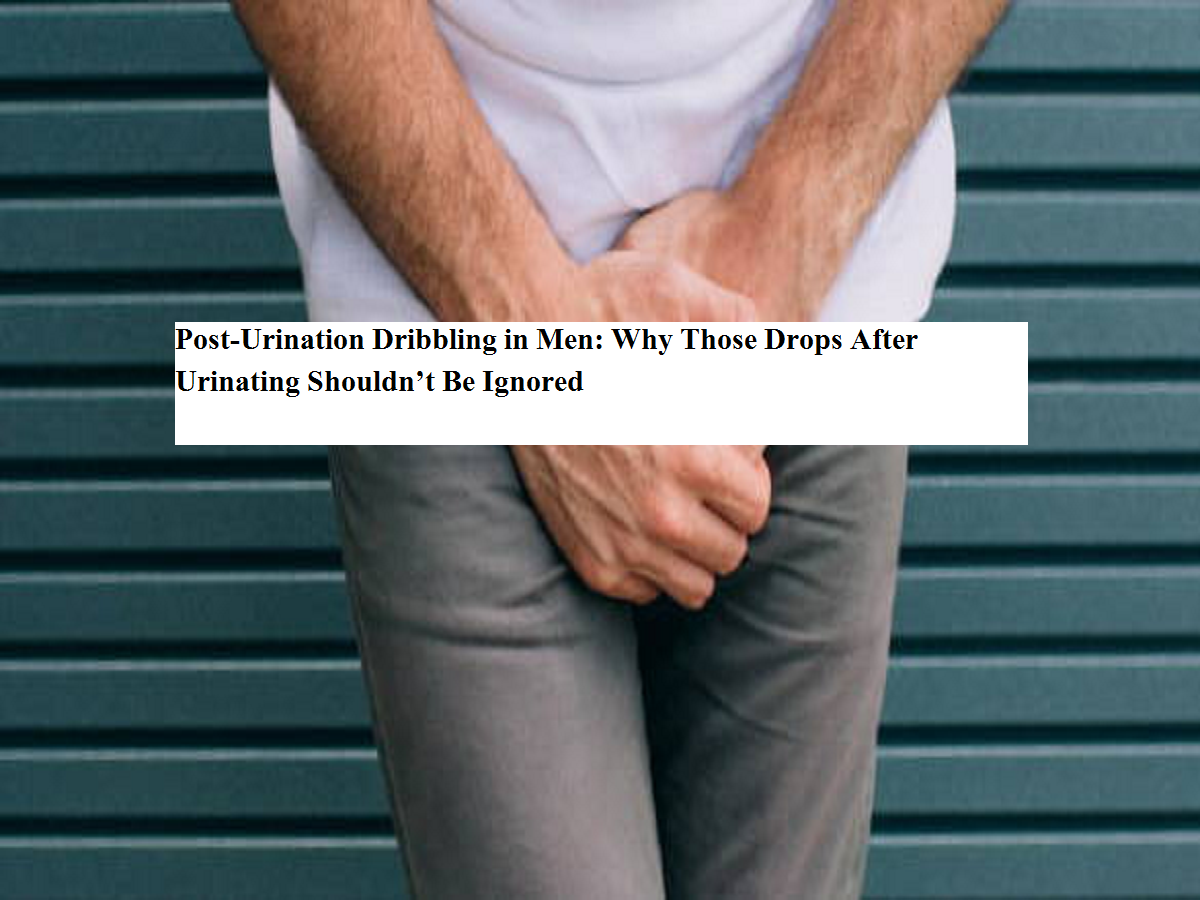
According to urology experts, when urine continues to leak in drops after finishing urination, the condition is medically known as post-void dribbling. It is relatively common with advancing age, but if it occurs regularly or worsens, it may be linked to prostate or urethral problems.
Enlarged Prostate: A Common Cause
One of the major reasons behind this symptom is Benign Prostatic Hyperplasia (BPH) — a non-cancerous enlargement of the prostate gland.
When the prostate enlarges:
-
It presses against the urethra
-
Urine flow becomes obstructed
-
The bladder may not empty completely
-
Residual urine leaks out later as drops
Studies have shown that a notable proportion of men above 45 experience BPH symptoms, and untreated cases can significantly affect quality of life.
Weak Pelvic Floor Muscles Also Play a Role
Another common but often overlooked cause is weak pelvic floor muscles. These muscles help control the bladder and urinary flow.
Weakness can develop due to:
-
Sedentary lifestyle
-
Long hours of sitting
-
Age-related muscle loss
-
Lack of physical exercise
When these muscles lose strength, men may notice urine leakage after finishing in the bathroom.
Warning Signs You Should Not Ignore
Seek medical advice if post-urination dribbling occurs along with any of the following:
-
Frequent urge to urinate
-
Burning or pain while urinating
-
Foul-smelling urine
-
Weak urine stream
-
Fatigue or unexplained weakness
These symptoms could indicate conditions such as urinary tract infection (UTI), prostatitis, bladder dysfunction, or worsening prostate enlargement. Delayed treatment may even impact kidney health in severe cases.
Prevention and Relief Measures
The good news is that mild cases can often improve with simple lifestyle changes and exercises.
Helpful steps include:
1. Pelvic floor (Kegel) exercises
These strengthen the muscles that control urination and can significantly reduce dribbling when practiced regularly.
2. Take your time while urinating
Avoid rushing. After finishing, wait a few seconds and gently lean forward to help empty the bladder completely.
3. Stay physically active
Regular walking and core exercises help maintain muscle tone.
Hydration Matters More Than You Think
Drinking too little water can make urine concentrated, increasing irritation and infection risk. Most adults should aim for roughly 2.5–3 litres of water daily, unless restricted by a doctor.
Post-urination dribbling may seem like a minor inconvenience, but persistent symptoms should not be dismissed as just “age-related.” Early evaluation, pelvic floor strengthening, and healthy lifestyle habits can effectively manage — and sometimes reverse — the problem.
Disclaimer: This article is for general informational purposes only. Always consult a qualified healthcare professional before making medical or lifestyle changes.