LIFESTYLE
From grade 2 fatty liver to almost normal in 6 months! No medication, no supplements, just two lifestyle changes your doctor prescribed
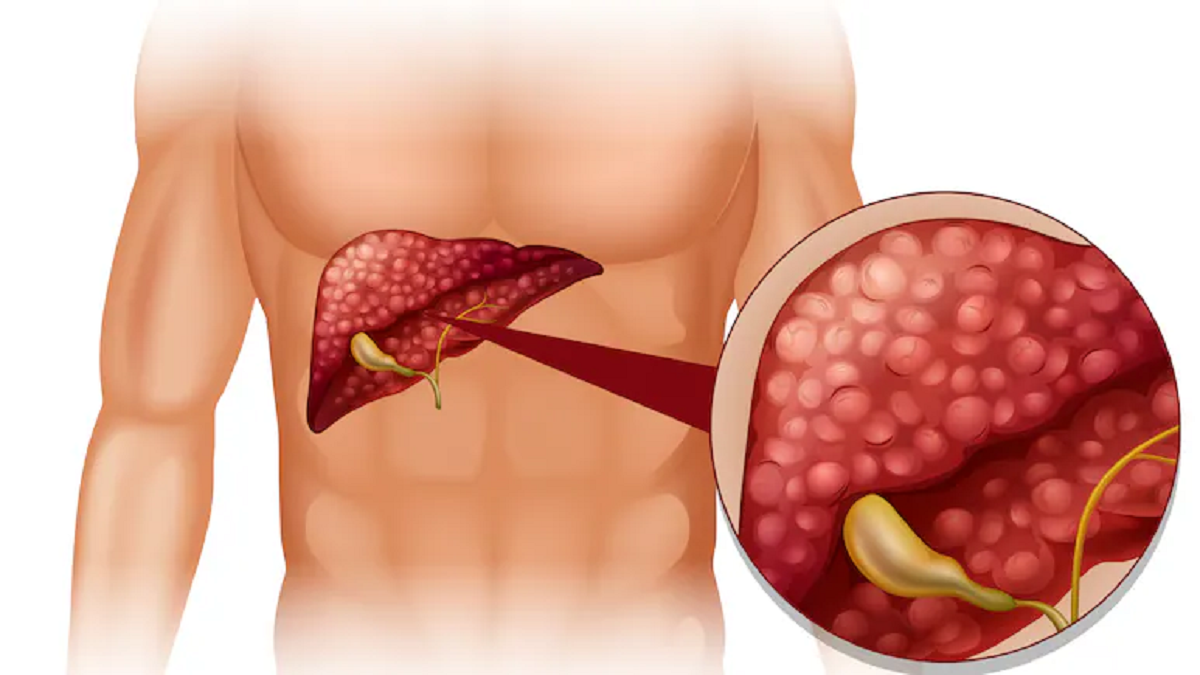
How To Reverse Fatty Liver: If not taken care of in time, the problem of fatty liver can later turn into serious conditions like NASH (non-alcoholic steatohepatitis), fibrosis and even cirrhosis.
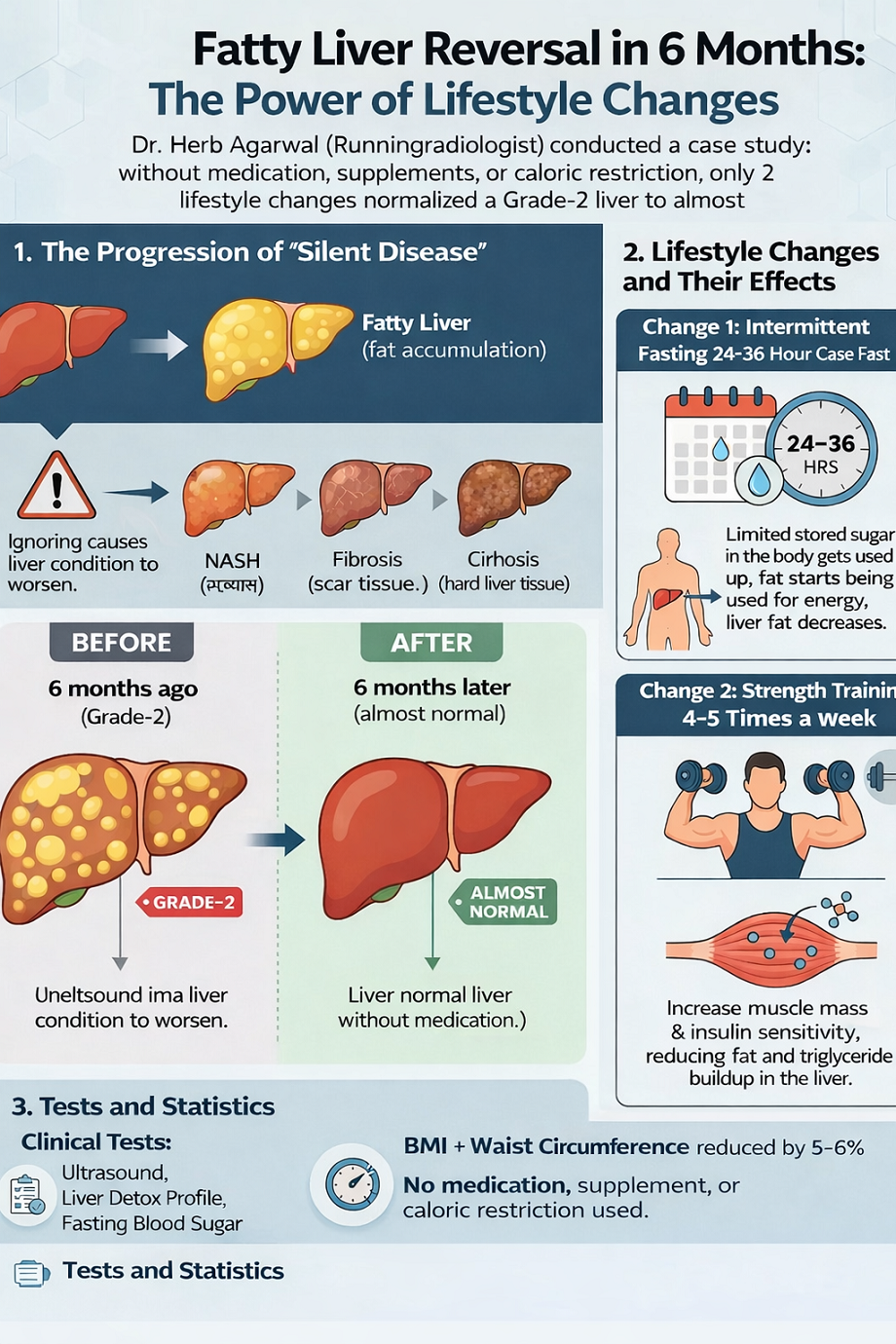
Fatty Liver Lifestyle Changes: Fatty liver is often overlooked as a minor medical condition. Because it initially causes no pain or any specific symptoms, it's often called a silent disease . But this silence can be dangerous. If left unattended, this problem can progress to more serious conditions like NASH (non-alcoholic steatohepatitis), fibrosis, and even cirrhosis . On a social media page called Runningradiologist, Dr. Harsh Vyas shared a case that isn't just a weight loss story, but an example of metabolic reversal. He explained that a patient's first ultrasound showed a grade 2 fatty livers , but after six months, the same liver appeared almost normal.
The most surprising thing was that:
- He had not taken any medicine.
- No expensive supplements were taken.
- No major changes were made in the diet.
Only two things were added and the results were surprising.
What were those two changes?
1. A 24–36-hour water fast once a week
The patient's calorie intake was based on his basal metabolic rate (BMR). His diet was balanced, with the exception of 24- to 36-hour water fast at least once a week.
2. Strength training 4–5 days a week
Not just walking or light exercise, but the focus was on muscle building and resistance training.
What changes happened in the body?
During fasting
- When you do not eat for a long time, the body first uses the glycogen stored in the liver as energy.
- As soon as glycogen is exhausted, the body starts breaking down stored fat.
- The triglycerides (fat) deposited in the liver start reducing.
This means the body shifts from storage mode to fat burning mode.
The effect of strength training
- Muscles use their own glycogen.
- Insulin sensitivity increases.
- Glucose is used more in muscles.
This prevents excess glucose from entering the liver and creating new fat. This means it affects the root cause of fatty liver.
What does research say?
A report in Science Daily described the effects of intermittent fasting on glycemic, hepatic, anthropometric, and clinical markers in patients with non-alcoholic fatty liver disease. Several systematic reviews of similar clinical trials found that intermittent fasting:
- Liver fat is reduced.
- Insulin sensitivity improves.
- Liver enzymes like SGPT/ALT decrease.
- Inflammation (inflammatory markers) is reduced.
When fasting was combined with exercise, intrahepatic triglycerides decreased by approximately 5–6%. Some studies found improvements in both fatty liver scores and BMI in just 8–12 weeks.
There's no silver bullet for fatty liver. If lifestyle changes aren't made, it can gradually progress to NASH, fibrosis, and cirrhosis. It's silent in the beginning, but the final stages are not.
If you are a beginner, how to start?
- Start with 12–14 hours of fasting.
- Gradually increase to 16 hours.
If you are completely healthy:
- You can start a 24-hour fast under medical supervision.
- Once a week or at least once in 15 days.
As well as:
- Strength training 4–5 days a week.
- Reduce sugar and refined carbohydrates
- Take a balanced diet.
This wasn't just a story of weight loss; it was a return to metabolic health. Medically monitored fasting, strength training, and a balanced diet can rapidly reverse fatty changes in the liver.
Don't underestimate fatty liver. Your daily routine is more effective than medication. Take small steps today to avoid serious illness tomorrow.
Disclaimer: This content, including advice, provides general information only. It is in no way a substitute for qualified medical opinion. Always consult a specialist or your doctor for more information. News Crab does not claim responsibility for this information.
PC:NDTVINDIA