BUSINESS
PM SVANidhi Scheme 2026: Street Vendors Can Get Loans and a Credit Card Up to ₹30,000 — Check Benefits
Street vendors across India have received a major boost under the PM Street Vendor's AtmaNirbhar Nidhi (PM SVANidhi) scheme. The government has expanded the scheme beyond small working-capital loans, adding stronger digital and financial support for vendors.
The restructured scheme has been extended until March 31, 2030, and aims to benefit 1.15 crore street vendors, including 50 lakh new beneficiaries.
What Is PM SVANidhi?
PM SVANidhi was launched to provide collateral-free working-capital loans to urban street vendors. The objective is to help vendors restart or expand their businesses without having to depend entirely on informal sources of credit.
Over time, the scheme has evolved into a broader programme covering credit, digital payments, entrepreneurship, social-security linkages and capacity building.
New Credit Card Facility Up to ₹30,000
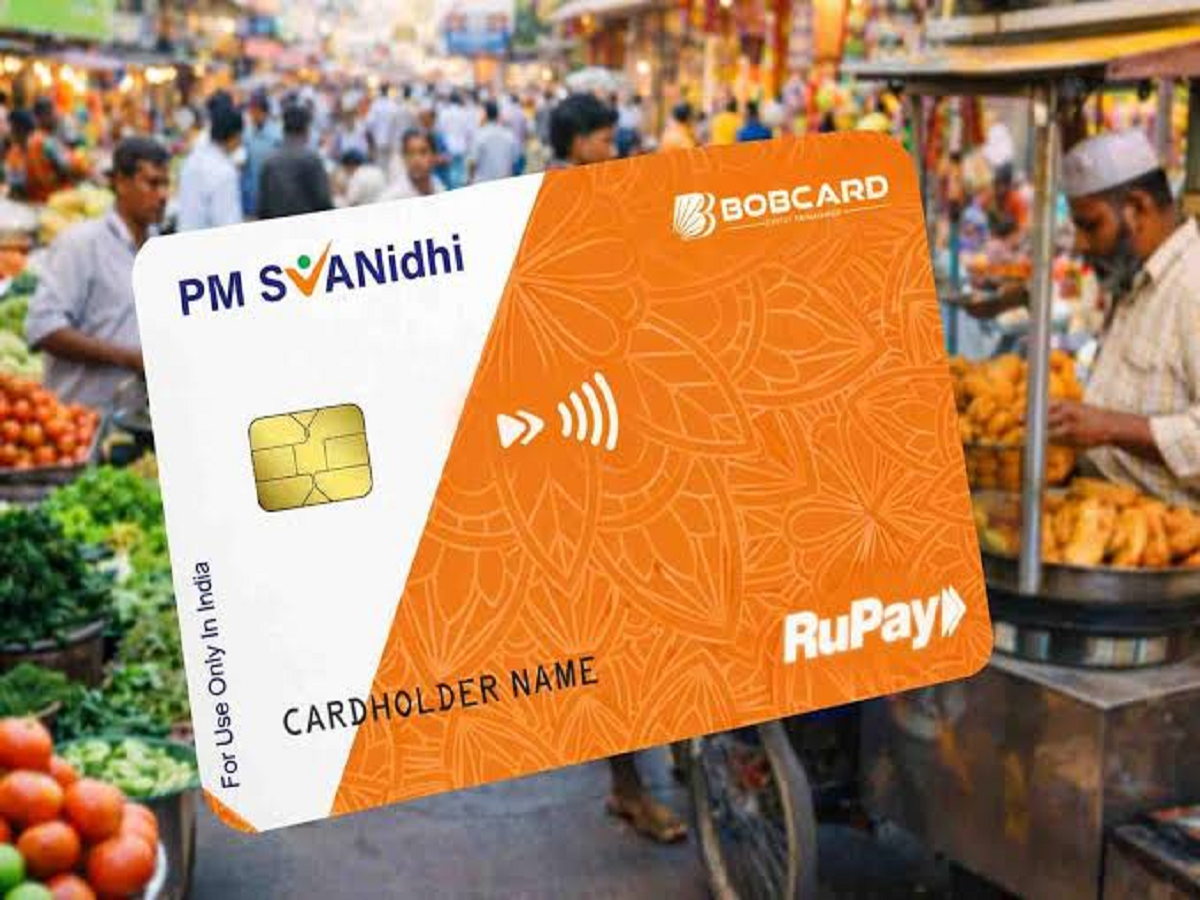
One of the biggest changes under the restructured scheme is the introduction of a UPI-linked RuPay Credit Card for eligible street vendors.
The credit card comes with a limit of up to ₹30,000. According to the government, 27,077 such credit cards had already been approved as of the latest update.
This can give eligible vendors another formal source of short-term credit for managing business expenses.
Scheme Extended Till 2030
The government has extended lending under the restructured PM SVANidhi scheme until March 31, 2030.
The expanded programme is expected to bring more vendors into the formal financial system while helping existing beneficiaries strengthen their businesses.
The government says the scheme now focuses on more than simply providing loans, with emphasis also placed on digital financial inclusion, social security, entrepreneurship and skill development.
More Than 78 Lakh Vendors Have Benefited
Since its launch, PM SVANidhi has enabled 78.68 lakh street vendors to access more than 1.18 crore loans, with a combined value of around ₹19,171 crore.
The government has also released ₹421 crore as interest subsidy to encourage timely repayment of loans.
Digital Payments Can Bring Additional Benefits
Digital transactions have become another important part of the scheme.
According to the government, 57.09 lakh vendors have carried out more than 908 crore digital transactions under the programme. Cashback incentives have also been provided to encourage digital adoption, with ₹418.78 crore released so far.
For small vendors, greater use of digital payments can also help create a transaction history and improve their participation in the formal financial system.
Street Food Vendors Also Getting Support
The government is also planning to develop 50 Street Food Hubs across the country.
Eligible cities can receive financial assistance of up to ₹4 crore per hub, along with additional support for notifying vending zones.
More than 6 lakh street food vendors have also received FSSAI training covering food safety and hygiene, according to the latest government update.
Special Camps to Help Vendors
The government is organising Lok Kalyan Melas to bring street vendors, banks and Urban Local Bodies together.
These camps are intended to make it easier for vendors to access credit, welfare schemes and capacity-building programmes. The next round of these camps is scheduled from September 1 to September 30, 2026.
Who Should Look Into the Scheme?
Street vendors who need formal working capital or want to expand their small businesses can check whether they qualify for PM SVANidhi.
The scheme is particularly relevant for vendors selling food, vegetables, clothes, household products and other goods and services in urban areas.
However, benefits and loan eligibility depend on the applicable scheme rules and verification process. Vendors should therefore check their eligibility through the designated authorities or official scheme channels before applying.
A Bigger Push for Small Businesses
PM SVANidhi is gradually moving beyond a basic loan programme. With the addition of digital credit, RuPay cards, food hubs, financial inclusion initiatives and welfare linkages, the government is trying to build a wider support system for street vendors.
For millions of small vendors, the scheme could provide easier access to formal finance while helping them move towards more organised and digitally enabled businesses.