BUSINESS
PM Surya Ghar Yojana: New Rooftop Solar Rules Could Help Families Save on Electricity Bills
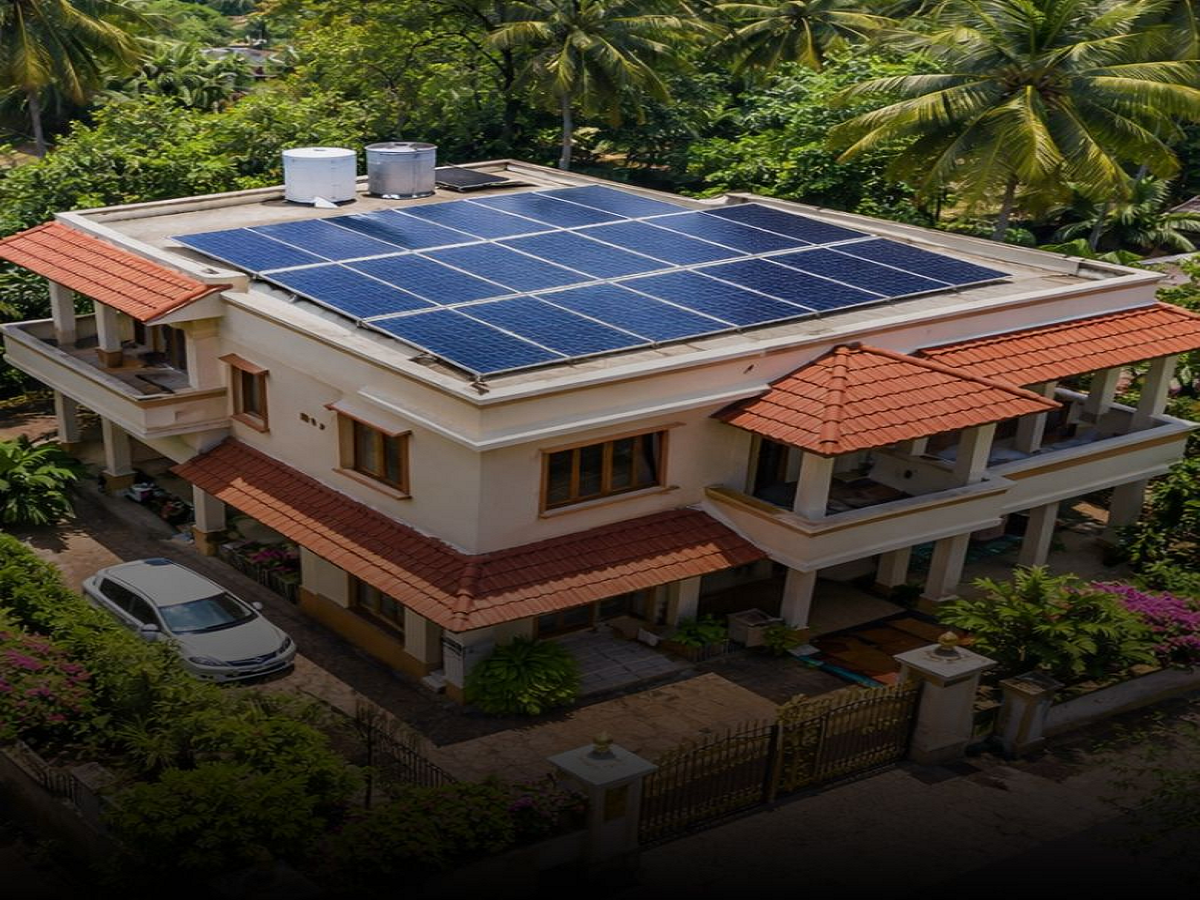
With electricity expenses forming a regular part of household budgets, rooftop solar power is becoming an option for families looking to reduce their monthly bills. The Government of India’s PM Surya Ghar: Muft Bijli Yojana is designed to make residential solar installations more affordable through financial assistance and easier access to financing.
According to a government update published in July 2026, more than 50 lakh households had benefited from the scheme, while the government continued working towards its target of covering one crore households. The programme has an approved outlay of ₹75,021 crore.
What Is the PM Surya Ghar Scheme?
Launched in February 2024, the PM Surya Ghar: Muft Bijli Yojana encourages households to install rooftop solar panels and generate electricity for their own use. Eligible residential consumers with a grid-connected electricity connection can apply through the scheme’s national portal.
The initiative aims to reduce household electricity expenses while expanding the use of renewable energy across urban and rural India.
How Much Subsidy Can a Household Receive?
For eligible residential rooftop solar systems, central financial assistance is generally calculated according to the installed capacity and the applicable state category.
-
In most states, eligible households can receive ₹30,000 per kW for the first 2 kW.
-
An additional ₹18,000 may be available for the next 1 kW.
-
The standard maximum central subsidy is therefore ₹78,000 for systems of 3 kW or more.
-
In certain special-category states and Union Territories, different subsidy rates apply.
The subsidy is subject to scheme conditions, approved equipment requirements and verification of the installation. Households should confirm their applicable amount on the official portal before making a purchase.
Who Can Apply?
The scheme is intended for residential electricity consumers who meet the prescribed eligibility conditions. Generally, applicants should:
-
Have a domestic electricity connection with the local distribution company.
-
Install an eligible rooftop solar system through the prescribed process.
-
Use eligible solar equipment that meets the scheme’s technical requirements.
-
Complete the application, installation and inspection procedures required for subsidy payment.
Commercial and industrial electricity connections do not qualify for the same residential central financial assistance.
How to Apply Online
Consumers can follow these steps to begin the application process:
-
Visit the official portal: https://www.pmsuryaghar.gov.in/
-
Register using the required details, including the state, electricity distribution company and consumer account information.
-
Submit the rooftop solar application and complete the feasibility process.
-
Once the application is approved, select a registered vendor and arrange the installation.
-
Complete the required inspection, metering and commissioning procedures.
-
Submit the bank details and other information requested for subsidy processing.
Applicants should verify the vendor’s registration and agree on the full installation cost before paying. The subsidy is not necessarily an upfront discount from the vendor.
Can Households Get a Loan for Solar Panels?
The government has also highlighted concessional financing options to reduce the initial cost of rooftop solar. A July 2026 update described collateral-free loans through participating nationalised banks at a concessional interest rate, reported at 5.75% per annum at that time, with a tenure of up to 10 years.
Loan availability, interest rates and approval depend on the bank’s current terms and the applicant’s eligibility. Consumers should compare the loan repayment with their expected electricity savings before committing.
Does Rooftop Solar Make Electricity Completely Free?
Not necessarily. Actual savings depend on the size of the solar system, household consumption, sunlight, system performance, applicable electricity tariffs and the rules for adjusting exported electricity.
Some beneficiaries may receive zero bills in particular billing periods, but households can still incur fixed charges or other amounts depending on their electricity provider’s tariff rules and consumption.
Where Can You Check the Latest Rules?
For accurate information on subsidy eligibility, application status and registered vendors, use the official PM Surya Ghar portal or contact your local electricity distribution company. Avoid agents promising guaranteed approval or asking for payments outside the official process.
For many families, rooftop solar can be a long-term way to control electricity costs. Comparing installation expenses, the eligible subsidy, financing costs and expected savings before applying can help households make an informed decision.