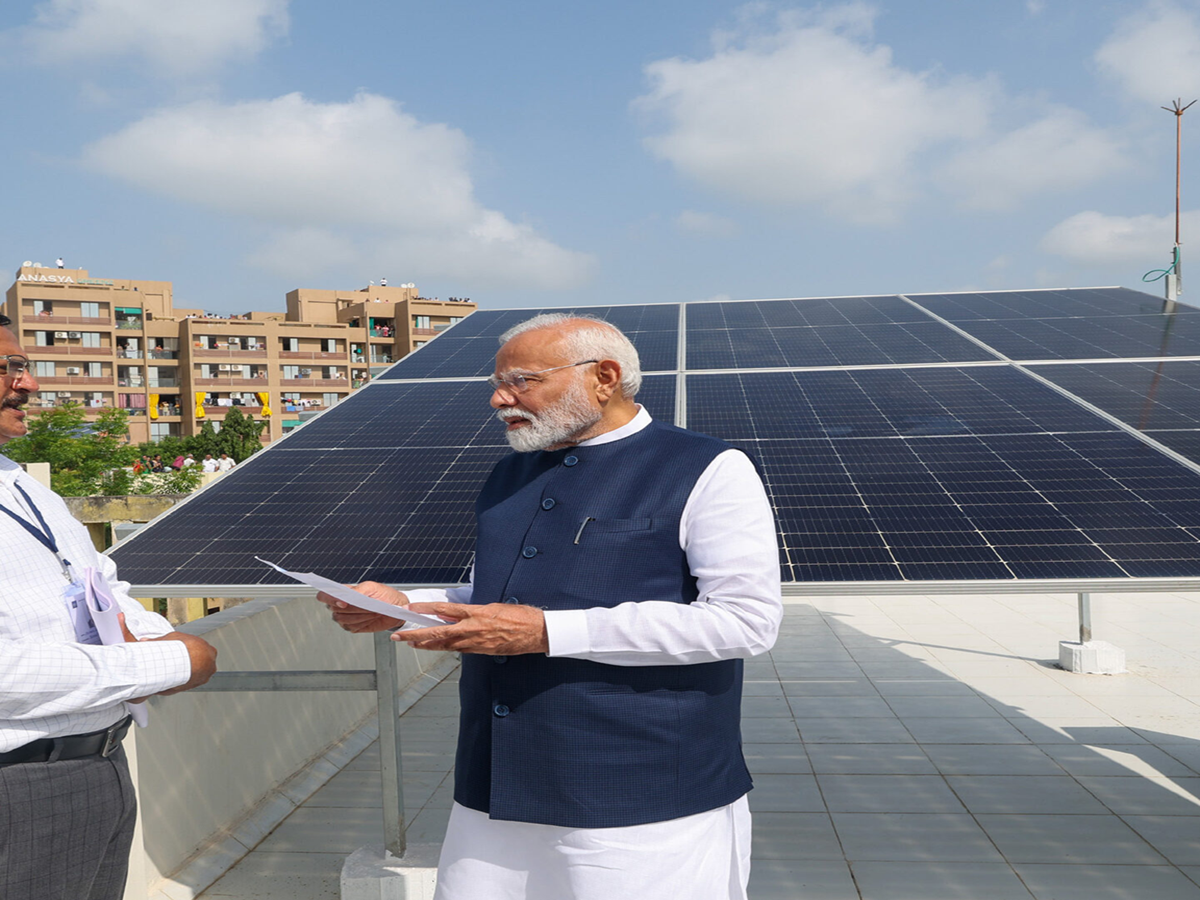
In an era of rising temperatures and surging electricity bills, energy independence has become a top priority for households across India. To address this, the Government of India launched the PM Surya Ghar: Muft Bijli Yojana (Prime Minister's Rooftop Solar: Free Electricity Scheme).
With a massive financial outlay, this central initiative aims to provide up to 300 units of free electricity every month to one crore (10 million) households across the country by heavily subsidizing residential rooftop solar installations.
If you are a homeowner looking to slash your power bills to zero while switching to clean energy, here is a complete breakdown of how this utility scheme works.
The Financial Incentives: Subsidies Explained
To lower the barrier to entry for middle- and lower-income families, the government provides direct financial assistance (subsidies) into the beneficiary’s bank account within 30 days of installation. The subsidy structure is directly tied to the capacity of the solar plant you install:
| Plant Capacity | Ideal For... | Government Subsidy Provided |
| 1 kW (Kilowatt) | Small homes with basic lights, fans, and a TV. | ₹30,000 |
| 2 kW (Kilowatts) | Medium homes running a refrigerator or a small AC unit. | ₹60,000 |
| 3 kW or Higher | Larger homes equipped with multiple ACs, washing machines, and geysers. | ₹78,000 (Maximum Cap) |
Bonus Earning Potential: Under the Net Metering system, any surplus electricity your solar panels generate that you don't consume is automatically fed back into the main grid. Your local electricity distribution company (DISCOM) will buy this power from you, turning your roof into a source of passive income.
Key Eligibility Criteria
Before applying on the national portal, ensure your household meets the following basic guidelines:
-
The applicant must be a citizen of India.
-
You must own a house with a concrete roof or structure physically capable of supporting a solar panel array.
-
The household must have an active, legal electricity connection under a local DISCOM.
-
You must not have availed of any other central or state government subsidy for rooftop solar panels in the past.
Beyond Free Power: Low-Interest Solar Loans
Recognizing that the upfront cost of solar panels can still be restrictive even with a subsidy, the government has partnered with major public sector banks (like SBI, PNB, and Canara Bank) to offer collateral-free, low-interest solar loans.
-
Attractive Rates: Loans are offered at interest rates capped close to the prevailing repo rate (currently around 7%–8%).
-
Easy Repayment: The loan EMI is structured so that it can easily be paid off using the money you save on your monthly electricity bill.
The Big Picture
The PM Surya Ghar Yojana isn't just about saving money—it's a massive shift toward sustainable urban living. By turning residential roofs into micro-power plants, citizens actively reduce the load on coal-based grids, minimize urban carbon footprints, and protect themselves against future power tariff hikes.