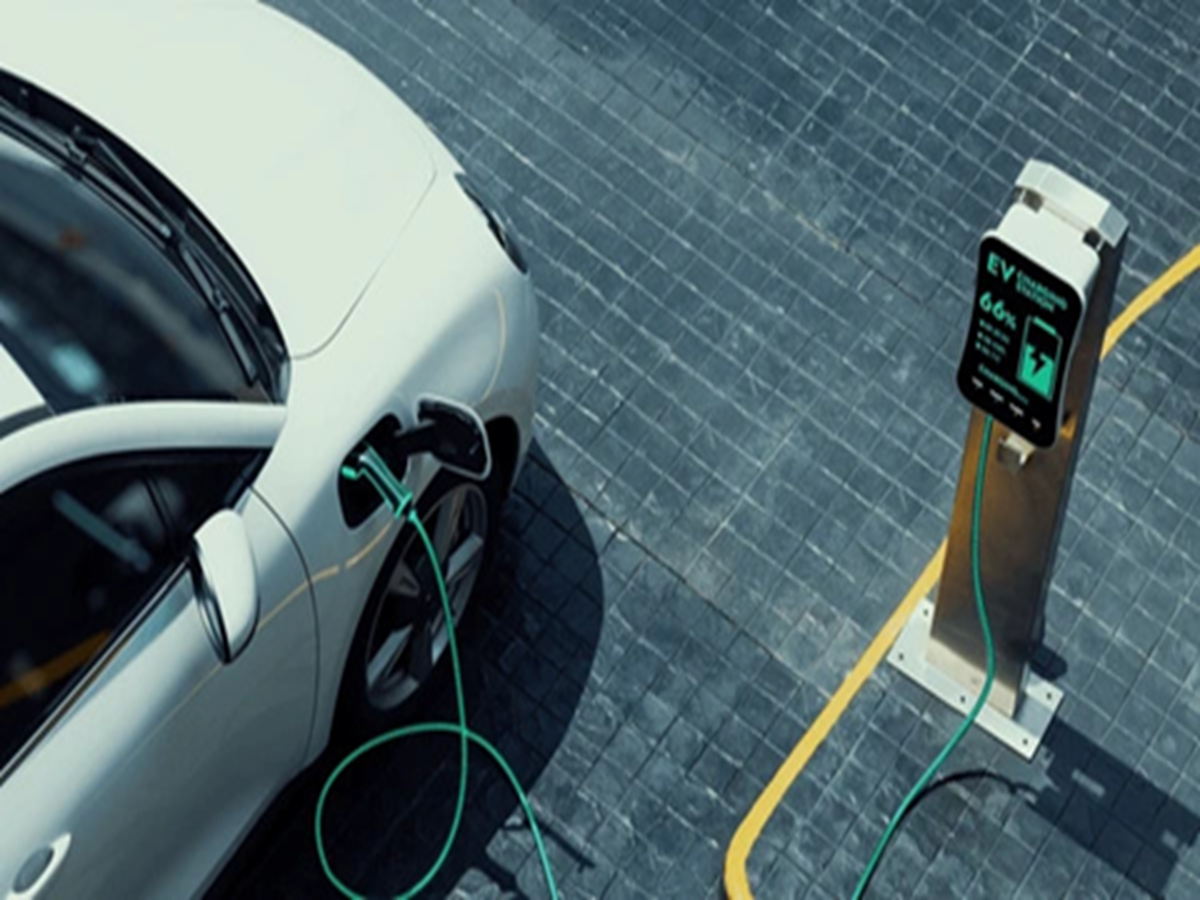
As electric vehicles (EVs) rapidly shift from a niche automotive trend to a mainstream transportation choice, establishing a reliable network of public charging points has become a matter of critical infrastructure. To accelerate this transition, the Government of India launched the PM-EVS (Prime Minister’s Electric Vehicle Charging Infrastructure Support) initiative.
Operating under the broader umbrella of sustainable urban development, this utility-driven scheme focuses on offering financial subsidies, simplified grid regulations, and streamlined commercial processes to drastically expand EV fast-charging stations across national highways, expressways, and urban centers.
For business owners, commercial property operators, and common EV drivers, understanding the framework of PM-EVS is essential for maximizing clean transport utility.
The Two Pillars of PM-EVS Infrastructure
The scheme divides its deployment strategy into two distinct categories to ensure that both city commuters and long-distance travelers face zero range anxiety:
-
1. Urban Growth Centers: Focuses on setting up public charging points in a grid format across tier-1, tier-2, and tier-3 cities. Stations are strategically incentivized near commercial complexes, public parking spaces, metro stations, and residential hubs.
-
2. Greenfield Expressways & National Highways: Mandates and funds the installation of high-capacity DC fast-charging bays at regular intervals (typically every 25 kilometers) along major transit corridors to facilitate seamless interstate EV travel.
Commercial Incentives: Financial Capital Support
To lower the high initial capital investment required for setup, the government provides direct financial subsidies and structural ease-of-doing-business perks directly to empanelled charging station operators (CSOs):
| Infrastructure Element | Government Financial Support | Key Strategic Target |
| High-Capacity DC Fast Chargers | Up to 50% Capital Subsidy on equipment procurement. | Minimizing charging turn-around times for long-range vehicles and commercial fleets. |
| Low-Capacity AC Normal Chargers | Up to 40% Capital Subsidy on hardware and deployment. | Ideal for long-duration parking zones, corporate parks, and residential complexes. |
| Upstream Power Connectivity | Fixed-grant allocations for transformers, cables, and distribution panel setups. | Subsidizing the costly electrical connection required to draw bulk power from local DISCOMs. |
Single-Window Power Disbursal: Under the new regulatory framework of PM-EVS, local electricity distribution companies (DISCOMs) are legally mandated to provide bulk power connections to certified EV charging stations within a strict, accelerated timeframe (7 days in metropolitan areas).
Business Model Opportunities: Who Can Open an EV Charging Station?
The PM-EVS framework encourages a highly decentralized model, opening the doors for multiple stakeholders to monetize charging infrastructure:
-
Landowners and Retail Businesses: Individuals or businesses with commercial real estate can partner with empanelled EV charging networks to utilize empty space, attracting recurring high-value foot traffic.
-
Fleet Operators: Delivery companies and public transport operations can access these subsidies to build dedicated, high-speed captive charging networks for their internal fleets.
-
Local Municipalities: Public bodies utilize the central funds to convert public street parking lots into automated, revenue-generating smart charging docks.