BUSINESS
PM Dhan-Dhaanya Krishi Yojana: How Farmers Can Check Eligibility and Access Government Support
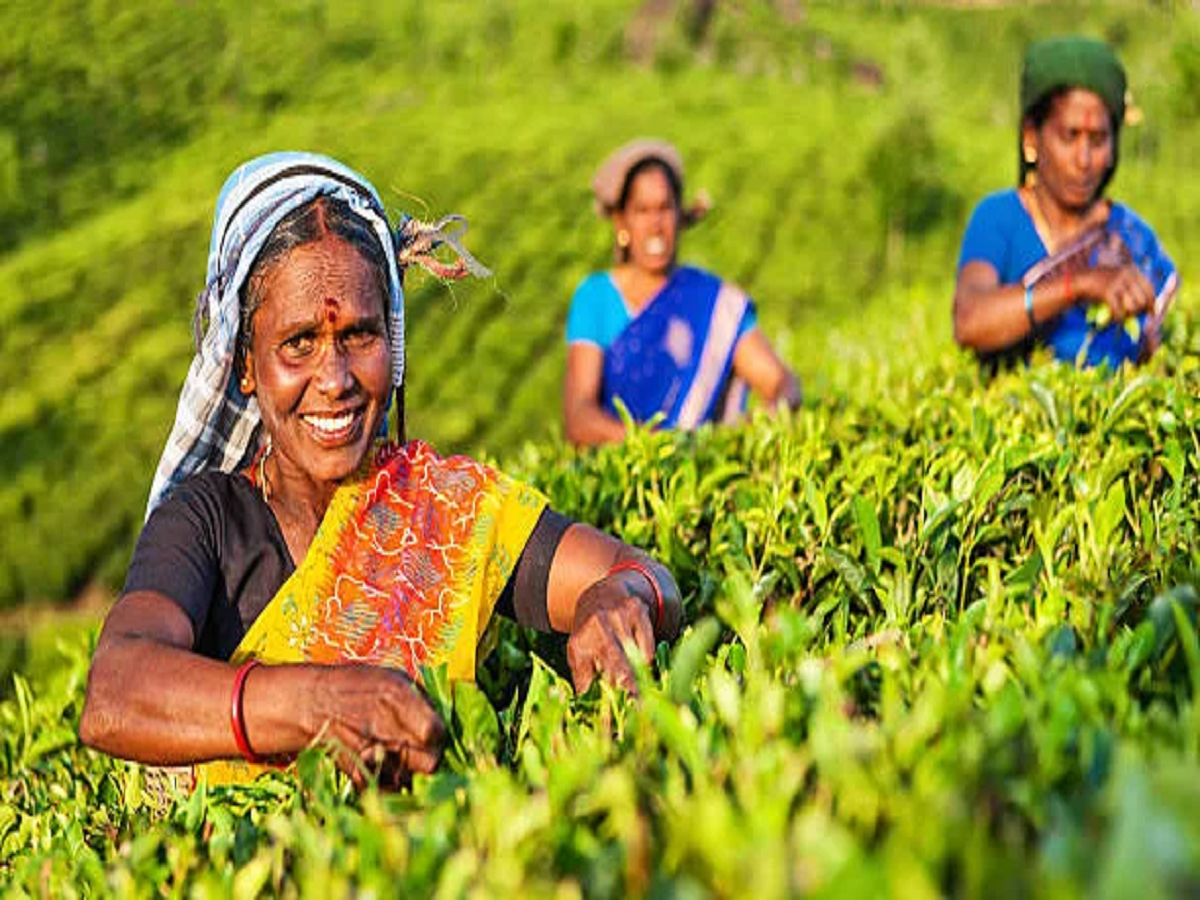
Farmers across India can access several government programmes designed to improve agricultural productivity, irrigation, storage and rural livelihoods. One initiative worth knowing about is the Pradhan Mantri Dhan-Dhaanya Krishi Yojana (PMDDKY), which aims to improve agricultural outcomes in selected districts facing persistent farming challenges.
The scheme has featured in recent government updates, with the Press Information Bureau.
-
Visit the official Ministry of Agriculture and Farmers Welfare website at https://agriwelfare.gov.in/.
-
Check the latest announcements and scheme guidelines.
-
Contact the local agriculture department to confirm whether PMDDKY-related activities are being implemented in the district.
-
Ask which specific programmes, subsidies, credit facilities or infrastructure initiatives are available.
-
Check the eligibility requirements and documents for each individual benefit before applying.
Farmers should avoid paying unofficial agents who promise guaranteed approval or financial assistance.
Is the Scheme the Same as PM-KISAN?
No. PMDDKY and PM-KISAN have different purposes.
PM-KISAN provides eligible landholding farmer families with income support under its prescribed conditions. PMDDKY, by contrast, focuses on improving agricultural outcomes and development infrastructure in selected districts through coordinated interventions.
Farmers should therefore check the rules of each programme separately rather than assuming that eligibility for one automatically qualifies them for the other.
Why Is This Scheme Important?
Agricultural productivity depends on more than the price farmers receive for their crops. Irrigation, storage, access to credit, suitable farming practices and reliable local infrastructure also influence farm incomes.
By coordinating agricultural development efforts in districts facing specific challenges, PMDDKY aims to address some of these underlying issues.
For farmers, the most practical step is to check the official guidelines and contact the local agriculture department to understand which benefits are actually available in their area.