NATIONAL
Peace Bill Rushed Through Parliament, Says Jairam Ramesh; Alleges It Favours Private Players
The Sustainable Harnessing and Development of Atomic Energy for India’s Transformation (Peace) Bill was passed by Parliament on Thursday amid strong opposition in the Rajya Sabha, paving the way for private and foreign participation in India’s tightly regulated nuclear energy sector.
The legislation replaces the Atomic Energy Act, 1962 and the Civil Liability for Nuclear Damage Act, 2010, allowing private companies to obtain licences to own and operate nuclear power plants. Foreign firms will be permitted to participate through partnerships with Indian entities.
Jairam Ramesh accuses government of haste
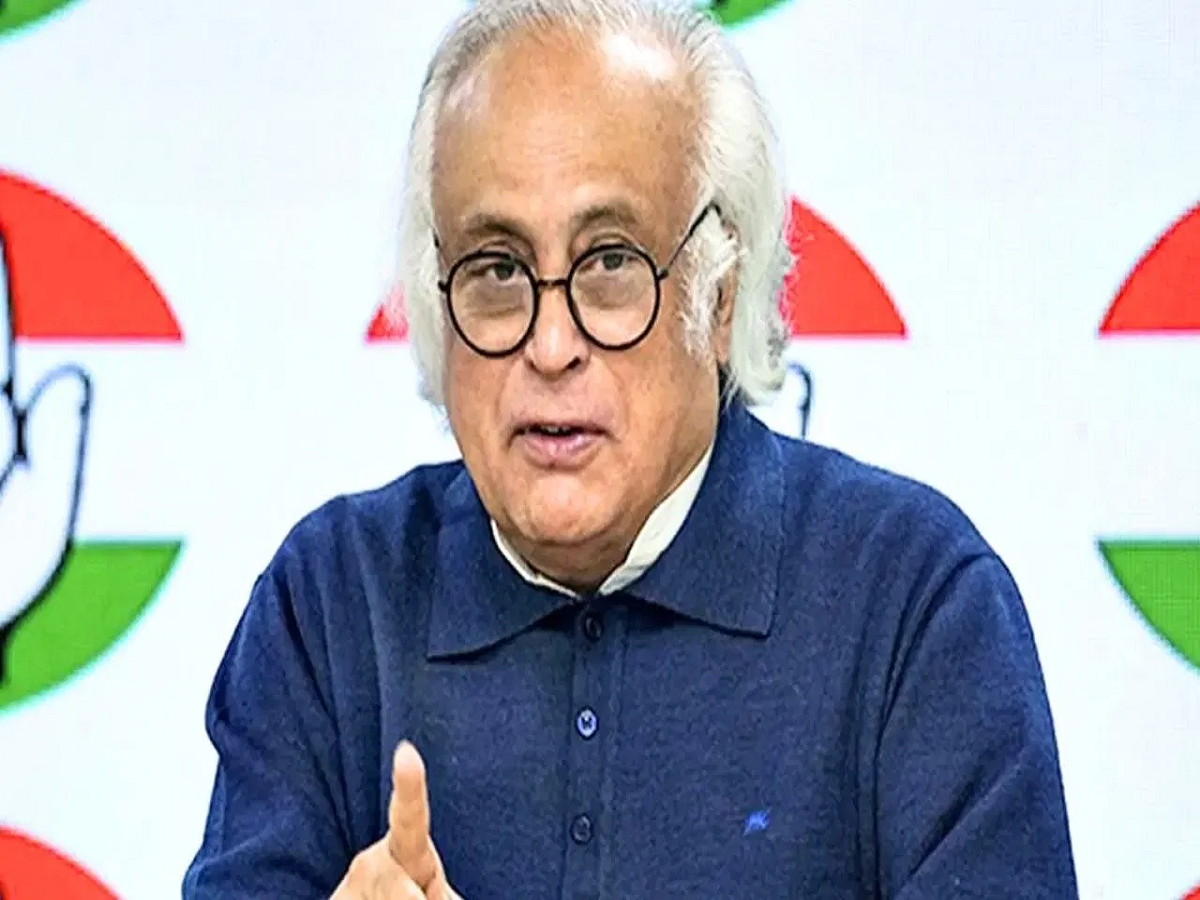
Congress MP Jairam Ramesh accused the government of pushing the Peace Bill through Parliament in haste. In a post on X, he said the bill was cleared in the previous session without adequate scrutiny and was designed to benefit a “select few”.
“In my Rajya Sabha speech, I had said this bill was crafted to serve specific interests. Today, we understand the real meaning of ‘peace’,” Ramesh remarked sarcastically.
Government defends bill, cites capacity expansion
The government has defended the legislation, stating that its goal is to expand India’s nuclear power capacity nearly ten-fold—from the current 8.8 gigawatts to 100 gigawatts by 2047—as part of the Develop India programme.
At present, India’s nuclear plants are owned and operated by the state-run Nuclear Power Corporation of India. According to reports, the government is seeking to attract nearly $26 billion in investments from domestic players such as Tata Power, Adani Power, and Reliance Industries.
Opposition warns of weakened safeguards
Opposition parties have consistently criticised the bill, arguing that it dilutes safety and liability safeguards while prioritising private profits over public interest. Ramesh accused the ruling Bharatiya Janata Party of focusing more on branding and acronyms than on sound policymaking and thorough parliamentary debate.
Reference to 2008 India–US nuclear deal
During the debate, Ramesh recalled the political battle over the 2008 civil nuclear agreement between India and the United States, which was strongly opposed by the BJP at the time. He cited a 52-page BJP document from August 2008 that questioned the future of nuclear energy in India.
Ironically, he argued, the current Peace Bill is a direct outcome of that very agreement. “This bill stands on three pillars—private sector participation, changes to nuclear liability, and the regulatory framework,” he said.
Liability law amendments draw sharp criticism
While welcoming the move to grant statutory status to the Atomic Energy Regulatory Board, Ramesh strongly objected to the proposed amendments to the nuclear liability regime. He pointed out that the changes contradict positions taken by senior BJP leaders Arun Jaitley and Jaswant Singh during the passage of the Civil Liability for Nuclear Damage Act in 2010.
“You are amending your own law after 15 years. Why this U-turn?” Ramesh asked, questioning whether the changes were driven by pressure from private companies or by strategic considerations related to the United States.
‘Bill meant to benefit private companies’
Challenging the government’s vision of reaching 100 GW nuclear capacity, Ramesh alleged that the Peace Bill was primarily designed to expand the role of private companies. He urged the government to focus instead on scaling up India’s indigenous 700 MW nuclear reactors, rather than relying on imported technologies.