The India–Pakistan conflict has long been a dominant theme in Indian cinema, often shown through border battles, patriotic victories, and high-energy storytelling. Films like Gadar: Ek Prem Katha have drawn massive audiences by focusing on action, nationalism, and emotional heroism.
But beneath the popularity of war films lies a quieter, more painful story that cinema has explored far less frequently—the human tragedy of the 1947 Partition of India.
So why does mainstream cinema often hesitate to fully engage with this subject, and how has Partition been portrayed on screen over the decades?
Beyond War: The Forgotten Human Cost
While films often highlight India–Pakistan military tensions, the Partition represents a far more complex emotional and historical reality. The 1947 division led to one of the largest mass migrations in human history, accompanied by displacement, trauma, and communal violence.
Yet filmmakers have often chosen the more commercially appealing war narrative over deeply reflective historical drama. War stories offer clear heroes and villains, while Partition narratives deal with grief, ambiguity, and shared suffering—making them more difficult to package for mass entertainment.
How Cinema Has Depicted Partition Over Time
Despite the challenges, Partition has been explored in Indian cinema since the early years of independence.
Some landmark films include:
-
Lahore (1949) – One of the earliest films to address Partition-related displacement
-
Chhalia (1960) – A romantic drama shaped by migration and separation
-
Garam Hawa (1973) – A deeply emotional portrayal of a Muslim family’s struggle in post-Partition India
-
Train to Pakistan (1998) – Based on Khushwant Singh’s novel, depicting violence and moral conflict
-
Pinjar (2003) – A story of abduction, trauma, and identity during Partition
-
Earth (1998) – A haunting depiction of communal breakdown through a child’s perspective
These films stand apart from mainstream war narratives because they focus on human suffering rather than national victory.
Contemporary Return to Partition Stories
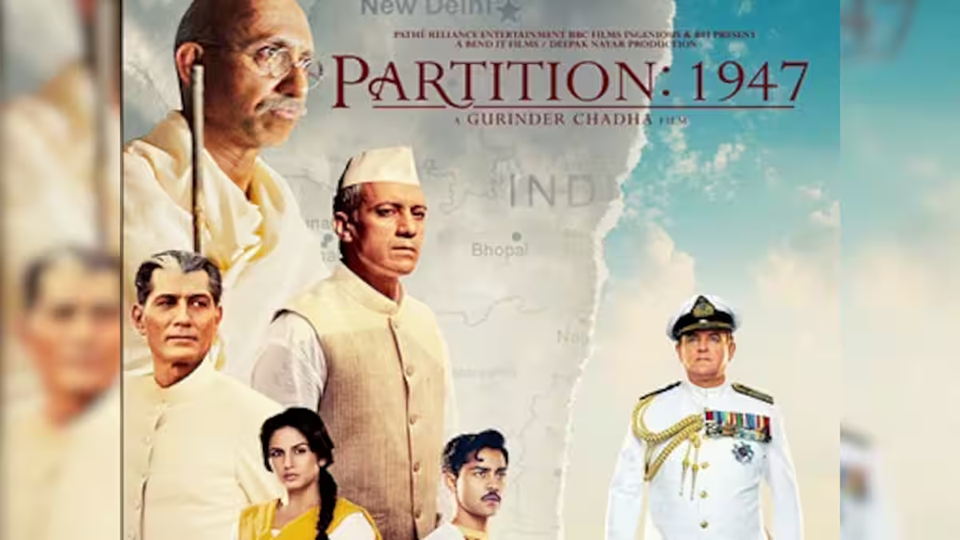
In recent years, filmmakers have shown renewed interest in revisiting Partition narratives. Upcoming projects such as Main Wapas Aaunga and Partition 1947 reflect this revival of historical storytelling.
These stories often blend romance, memory, and generational trauma, highlighting how the events of 1947 continue to shape identities decades later. Themes of lost love, migration, and fractured families remain central to these narratives.
Why Cinema Finds Partition Difficult
Several reasons explain why Partition is less frequently portrayed:
-
Emotional complexity – There are no simple heroes or villains
-
Historical sensitivity – Stories often involve communal trauma
-
Commercial risk – Audiences tend to prefer action-driven narratives
-
Political interpretation – Films risk being seen through ideological lenses
Because of this, filmmakers often return to safer patriotic or war-based themes instead.
The Enduring Impact of Partition Stories
Despite limited representation, Partition films remain some of the most powerful works in Indian cinema. They force audiences to confront uncomfortable truths about displacement, loss, and shared history.
From early classics like Lahore to modern reinterpretations, the Partition continues to be a subject that cinema revisits—but never fully exhausts.
Ultimately, the question is not whether Partition has been shown on screen, but whether cinema is ready to engage with its emotional depth as often as it does with its nationalist spectacle.