BUSINESS
Out with MGNREGA, In with VB-GRAM G: How the New 125-Day Rural Work Guarantee Changes the Game
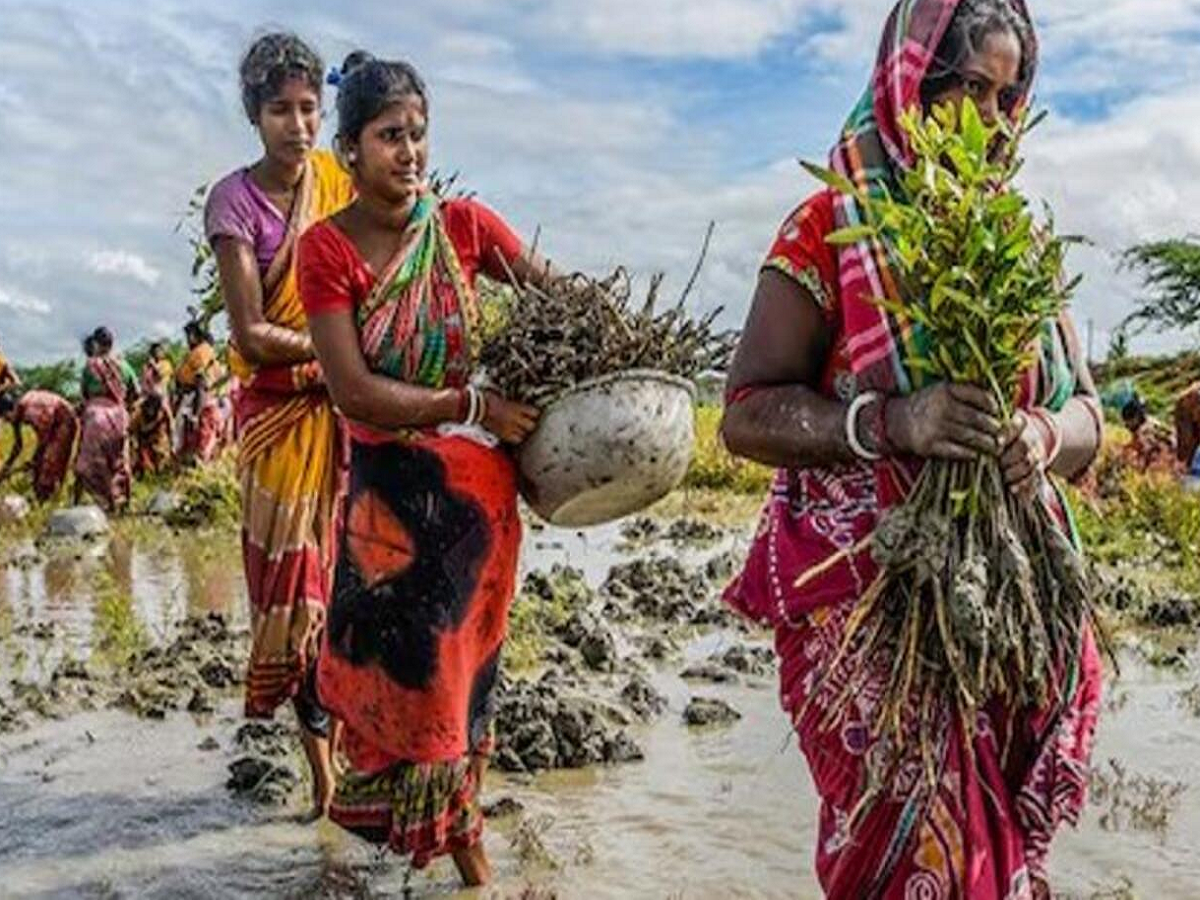
Rural employment in India has officially broken away from its old, two-decade-old framework. The President of India has given assent to the Viksit Bharat - Guarantee for Rozgar and Ajeevika Mission (Gramin) Act, or VB-GRAM G.
This sweeping statutory framework permanently replaces the Mahatma Gandhi National Rural Employment Guarantee Act (MGNREGA). The overhaul isn't just a basic rebranding exercise—it completely restructures the safety net for rural households by expanding the work mandate and introducing a high-tech tracking system.
If your family relies on rural wage employment or you manage local village planning, here is everything changing on the ground right now.
The Core Upgrades: MGNREGA vs. VB-GRAM G
The new Act modernizes social security to align with long-term infrastructure goals.
| Feature | The Old MGNREGA Framework | The New VB-GRAM G Act |
| Guaranteed Work Days | 100 days of manual labor per household per year. | Boosted to 125 days per household per year. |
| The Farming Buffer | Continuous availability, sometimes creating agricultural labor shortages. | Features a strict 60-day aggregated "No-Work Period" during peak crop seasons to balance farming demands. |
| Asset Oversight | Local manual ledger tracking, often leading to temporary or poor-quality assets. | Unified Digital Stack: All assets must register into the national Viksit Bharat National Rural Infrastructure Stack. |
| Wage Timeline | Payouts often faced multi-week or monthly bureaucratic delays. | Mandatory Fortnightly Cycle: Wages must clear within 7 to 14 days of work completion. |
1. The 60-Day "No-Work" Farming Balance
One of the loudest complaints from the agricultural sector regarding the old MGNREGA model was that it pulled essential manual labor away from farms during crucial sowing and harvesting windows.
VB-GRAM G systematically solves this by enforcing an aggregated 60-day no-work period spread across peak farming seasons. By pausing public manual projects when agricultural demand peaks, the law ensures local farmers have access to laborers while guaranteeing that workers can still claim their full 125 days of employment across the remaining 305 days of the year.
2. Infrastructure Linked via PM Gati Shakti
Under the older system, rural works were largely disconnected, localized projects—like desilting a singular pond or clearing a dirt track. Under the new Act, all work is integrated into four priority infrastructure verticals:
-
Water Security: Rejuvenating large watersheds and building drought-resilient community structures.
-
Core Rural Connectivity: Constructing all-weather link roads that interface directly with national logistics corridors.
-
Livelihood Hubs: Building shared cold-storage zones, sorting yards, and market sheds for local farmers.
-
Climate Resilience: Specialized engineering works designed to shield villages from extreme weather anomalies.
Planning has moved away from localized guesswork. Future projects are explicitly designed through Viksit Gram Panchayat Plans, which are spatially mapped out using the central government's satellite-backed PM Gati Shakti geo-spatial platform.
How to Protect Your Job Card and Benefits Under the New Law
To ensure your existing rural job card transitions smoothly into the new VB-GRAM G digital registry without administrative delays, complete these essential steps: