TECH
Nvidia Faces Employee Backlash as Robotics Engineer Darrell Dai Resigns Following Controversial Leadership Exit
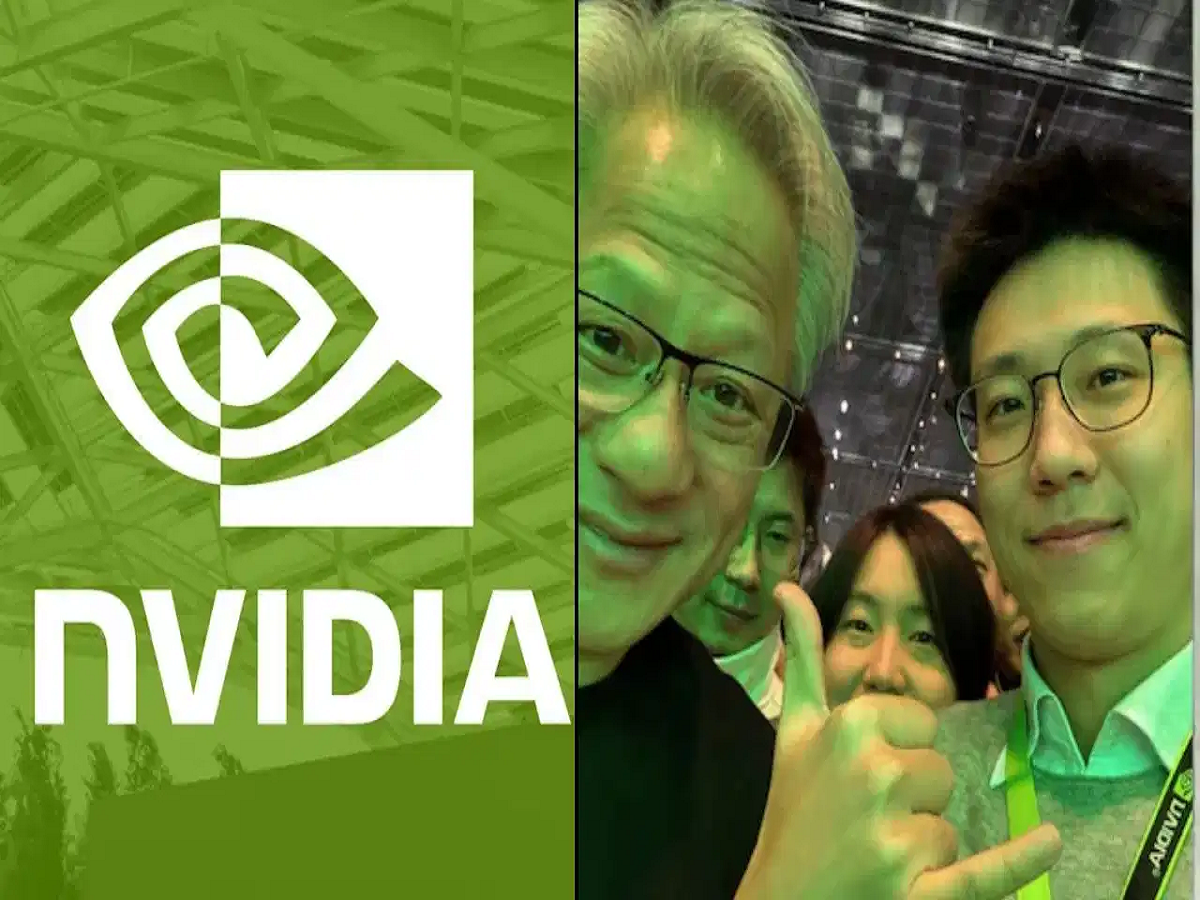
Nvidia, one of the world's most influential technology companies, is reportedly facing internal dissatisfaction following developments surrounding its leadership. After reports of CEO Jensen Huang's sudden departure sparked widespread discussion, robotics engineer Darrell Dai has also announced his resignation, raising questions about employee morale and the company's decision-making process.
In a lengthy post on social media platform X, Dai praised Huang's leadership but expressed disappointment over how the company communicated the decision. He suggested that the lack of transparency and limited consideration of employees' opinions had affected his confidence in the organisation.
Darrell Dai Explains Why He Resigned
In his resignation announcement, Dai reflected on his experience at Nvidia and highlighted the company's earlier culture of encouraging engineers to experiment, explore new ideas and express their opinions.
According to him, Jensen Huang played an important role in creating this environment. Dai particularly appreciated the freedom engineers had to challenge existing approaches and work on ambitious projects.
He also credited Huang's early investment in CUDA, Nvidia's parallel computing platform, at a time when artificial intelligence had not yet become a mainstream technology. This long-term vision helped Nvidia establish a strong position in the AI industry.
Dai also pointed out Huang's interest in robotics and physical AI, areas closely connected to his own work at the company.
Employees Felt Their Opinions Were Not Considered
Dai said he wanted to understand the circumstances behind the leadership decision and what it could mean for Nvidia's future. However, he felt that employees had not been adequately consulted or informed.
He explained that he had previously believed engineers' opinions were valued within the organisation. The way this particular decision was handled, however, left him feeling that his voice did not matter.
Dai added that the lack of communication affected him more deeply than he had expected.
At the same time, he clarified that his respect for Huang should not be interpreted as an attempt to dismiss any allegations or concerns involving him. He said he did not know all the details and believed the investigation should be allowed to proceed.
Online Petition Reportedly Receives More Than 1.6 Lakh Signatures
The developments have also attracted attention across the technology industry. According to a CNBC report cited in the coverage, an online petition calling for Huang's return has received more than 160,000 signatures.
Several prominent technology figures have reportedly expressed support for the campaign. These include Tesla CEO Elon Musk, Epic Games CEO Tim Sweeney and Y Combinator CEO Garry Tan.
Musk also indicated that he would sign the petition. Meanwhile, some Nvidia investors have reportedly urged the company's board to consider all available options, including the possibility of Huang returning.
Former Employees Share Their Experiences
Dai is not the only former Nvidia employee to speak publicly about the company's leadership culture.
Another former employee, Vartika Singh, also shared a personal experience involving Huang. She recalled receiving his support during a medical emergency in her family and praised his ability to maintain connections with employees and researchers.
Such accounts have added another dimension to the discussion, highlighting the personal relationships and workplace culture that employees associate with leadership.
What Could This Mean for Nvidia?
Employee departures and public criticism can create challenges for any major technology company, particularly one operating in a highly competitive industry such as artificial intelligence.
Nvidia's success has been built on its engineering expertise, research capabilities and long-term investments in technologies such as GPUs and CUDA. Maintaining employee confidence and retaining experienced talent will remain important as competition in AI, robotics and advanced computing intensifies.
For now, the reported resignation and employee reactions have brought renewed attention to Nvidia's internal culture and leadership decisions. How the company responds to these concerns could play an important role in shaping its future workplace environment.