Whether you're travelling by train, going on a road trip or welcoming guests at home, packaged drinking water is something most people rely on. Brands like Bisleri have become familiar names in India's bottled water market. But have you ever wondered how this water is actually produced? What technology makes it suitable for drinking, and what quality checks does it undergo before reaching consumers?
Recent food safety concerns involving a Bisleri water sample have also brought attention to the manufacturing and testing processes behind packaged drinking water.
Let's explore how bottled water is produced inside modern factories.
What Is the Bisleri Water Controversy?
The Food Safety and Standards Authority of India (FSSAI) reportedly declared a packaged drinking water sample collected from Bisleri International's facility unsafe after it failed to meet prescribed safety requirements.
According to the reported findings, the sample exceeded the permitted bromate limit. The company challenged the initial findings, but a subsequent referral laboratory test also reportedly raised concerns, including the detection of polycyclic aromatic hydrocarbons (PAHs).
Following these findings, the FSSAI approved prosecution proceedings against the company under the Food Safety and Standards Act, 2006.
Why Did the Water Sample Fail the Tests?
The sample reportedly underwent two rounds of laboratory testing.
During the first test, the water did not meet the prescribed bromate limit. The company subsequently appealed the findings, following which a referral laboratory conducted another examination. This test also reportedly identified safety concerns, including the presence of PAHs.
Bisleri clarified that the matter concerned a particular batch manufactured at its Goa facility in September 2025.
According to the company's explanation, six samples were collected on September 30. Five reportedly met the required standards, while one contained 12 micrograms of bromate per litre against the prescribed limit of 10 micrograms per litre.
The company also stated that independent laboratory testing produced different results and questioned the referral laboratory's findings.
It is important to note that approval for prosecution does not mean the company has been convicted. Similarly, findings involving one sample should not automatically be applied to every bottle or manufacturing facility.
How Is Bottled Drinking Water Manufactured in Factories?
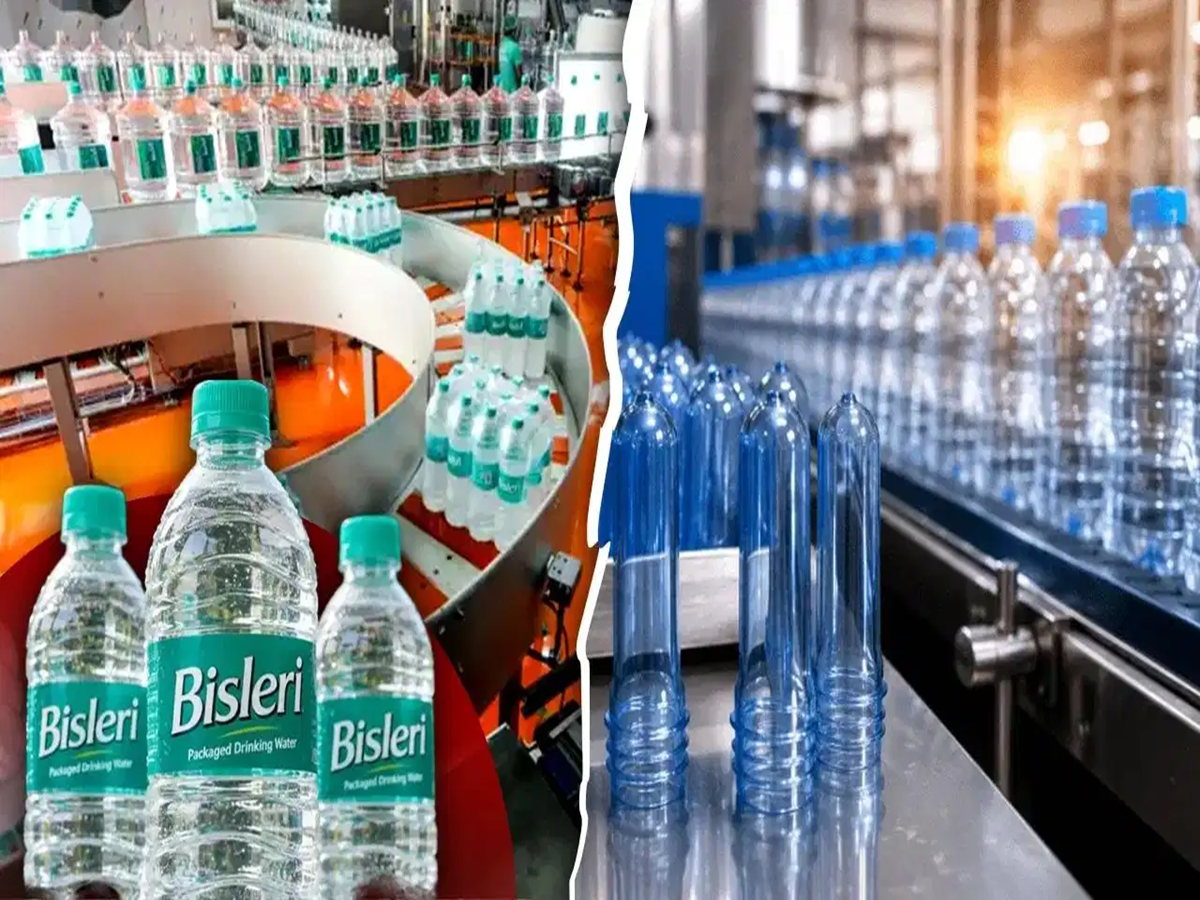
Producing packaged drinking water involves much more than simply filtering water and filling bottles. Modern manufacturing facilities use advanced purification technologies, automated machinery and laboratory testing procedures to maintain quality.
The exact treatment process depends on the source and quality of the raw water.
Here are the major stages involved in bottled water production.
1. Raw Water Collection
The manufacturing process begins with collecting water from an approved source, such as groundwater or a municipal water supply.
Before purification, the incoming water is examined to identify its physical, chemical and microbiological characteristics. These findings help manufacturers determine which treatment methods are necessary.
2. Sand Filtration
Sand filtration is generally one of the initial stages of water purification.
During this process, water passes through specially graded filter media that remove suspended particles such as sand, dirt, mud and other impurities.
This helps reduce the load on the filtration systems used in subsequent stages.
3. Activated Carbon Filtration
Activated carbon filters help remove unwanted odours, colour, chlorine and certain organic compounds from water.
This stage improves the water's taste and smell while preparing it for further purification.
4. Reverse Osmosis (RO) Technology
Reverse Osmosis is one of the most widely used purification technologies in packaged drinking water manufacturing.
In this process, water is pushed through a specialised semi-permeable membrane under pressure. The membrane helps reduce dissolved salts, unwanted minerals and several other contaminants.
This produces purified water with a significantly lower concentration of dissolved impurities.
5. Mineralisation or Remineralisation
After RO treatment, some manufacturers add selected minerals back into the water when required.
This process helps maintain the desired mineral composition and taste while ensuring that the final product meets applicable quality standards.
6. Microfiltration and Disinfection
The water may undergo additional filtration to remove fine particles and microorganisms.
Disinfection technologies such as ozonation or other permitted treatment methods may also be used to control microbiological contamination.
These processes help maintain water quality and reduce the risk of microbial contamination.
What Quality Tests Are Conducted Before Bottled Water Is Sold?
Purification alone cannot guarantee that water is safe for consumption. Regular laboratory testing is essential throughout the manufacturing process.
Manufacturers examine raw water, treated water and the final packaged product to ensure that they meet the required standards.
Some important parameters include:
-
pH levels and total dissolved solids (TDS).
-
Colour, taste and odour.
-
Chemical contaminants and heavy metals.
-
Bromate and other relevant chemical parameters.
-
Pesticide residues.
-
Microbiological contamination.
-
Bottle sealing and packaging quality.
BIS specification IS 14543:2024 provides standards for packaged drinking water. Manufacturers must also follow applicable FSSAI requirements.
How Are Plastic Water Bottles Manufactured?
Once the water has been purified and approved for packaging, the next stage involves preparing the bottles and filling them.
Most modern bottled water factories use automated production lines to complete this process efficiently.
The manufacturing process generally includes:
-
Bottle Formation: PET preforms are heated and shaped into bottles using specialised blow-moulding machines.
-
Bottle Cleaning: The bottles undergo the required cleaning or rinsing process.
-
Water Filling: Automated machines fill the bottles with treated water under controlled hygienic conditions.
-
Capping: Bottles are immediately sealed to prevent contamination.
-
Labelling: Brand names, product information and other mandatory details are printed or attached.
-
Batch Coding: Manufacturing dates, batch numbers and traceability information are added.
-
Final Packaging: Bottles are packed into cartons or shrink-wrapped bundles for transportation.
How Does a Water Bottle Reach Your Home?
After manufacturing, packaging and quality checks, bottled water enters the distribution network.
The journey generally follows this route:
Manufacturing Plant → Quality Inspection → Packaging → Warehouse → Distributor → Retail Shop → Customer
Depending on the brand, bottles may also be delivered directly to customers through home-delivery services and online platforms.
Can Bottled Water Become Contaminated Despite Advanced Technology?
Yes. Even after undergoing advanced purification, bottled water can become contaminated if proper safety procedures are not followed.
Some possible reasons include:
-
Poorly maintained purification equipment.
-
Inadequate cleaning of storage tanks and pipelines.
-
Contamination during filling or packaging.
-
Improperly sealed bottles.
-
Poor transportation or storage conditions.
-
Failure to monitor chemical and microbiological parameters.
This is why manufacturers must maintain strict hygiene, conduct regular laboratory testing and monitor every stage of production.
Conclusion
The next time you purchase a bottle of packaged drinking water, remember that it has passed through several stages of filtration, purification, disinfection, quality testing and packaging.
Technologies such as Reverse Osmosis, activated carbon filtration, sand filtration and ozonation play an important role in modern water treatment.
However, advanced machinery alone cannot guarantee drinking water safety. Consistent quality checks, hygienic manufacturing practices and compliance with food safety standards are equally important.
After all, clear-looking water is not necessarily safe to drink. Only proper scientific testing can establish its actual quality.