LIFESTYLE
Nipah Virus Symptoms: Nipah virus is more dangerous than coronavirus. Learn about its symptoms and prevention methods today
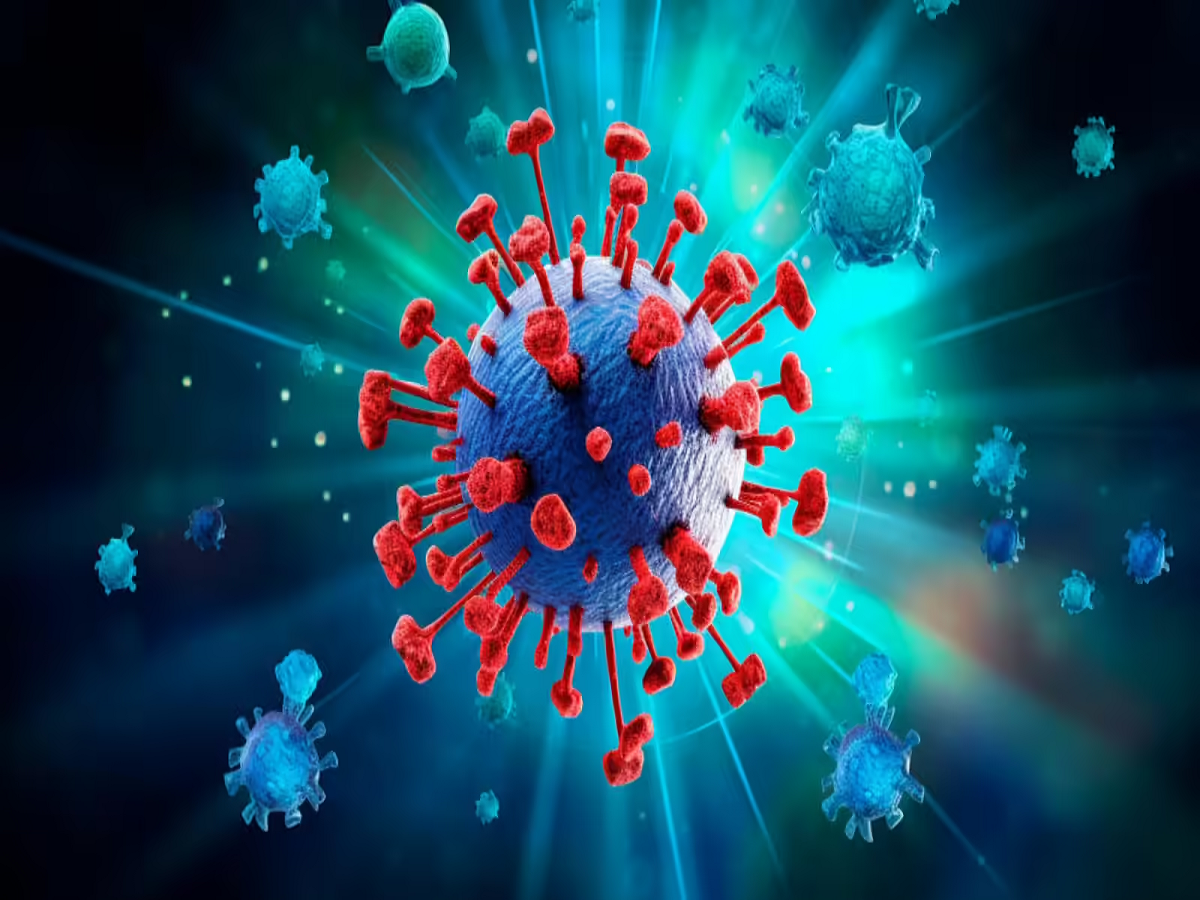
The world hadn't fully recovered from the wounds of the coronavirus pandemic when another virus emerged, raising concerns. This time, the Nipah virus is in the news. After cases of the virus appeared in some parts of India, both the health department and the general public are once again on high alert. The World Health Organization (WHO) is also closely monitoring the situation and advising people to exercise caution
What is Nipah virus and why is it so dangerous?
Nipah virus (NiV) is a zoonotic virus, meaning it spreads from animals to humans. It is primarily transmitted through fruit bats. Surprisingly, Nipah virus is considered more dangerous than the coronavirus.
According to statistics, the mortality rate after Nipah infection can range from 40 percent to 75 percent. This virus confuses the body's immune system to such an extent that it is unable to fight it. While other viruses activate the immune response upon entering the body, Nipah diverts it in the wrong direction, causing the patient's condition to deteriorate rapidly.
Main causes of infection:
Nipah virus is primarily spread through direct contact with infected bats and pigs. Additionally, if a person eats fruit that has already been gnawed by an infected bat (such as dates or fallen fruit), they are also at risk of infection. This infection can also spread from one person to another, so special care is required when caring for an infected patient.
Major symptoms of Nipah virus
The symptoms of Nipah virus initially resemble those of the common flu, which is why people often ignore it. However, failure to recognize it early can prove fatal. Its main symptoms are as follows:
- High fever and headache
- Muscle and body aches and pains
- Feeling extremely tired and weak
- Cough and shortness of breath (respiratory problems)
- nausea and vomiting
- In severe cases, encephalitis, which can cause dizziness or confusion
Current situation and WHO warning
Sporadic cases of Nipah have been reported in some Indian states, particularly in West Bengal and Kerala. The WHO Director-General has described these cases as serious, saying that while the infection is currently confined to a few limited areas, it would be a grave mistake to take it lightly. India has faced similar challenges boldly in the past, and this time too, the administration is on full alert.
What to do for protection?
Currently, there is no specific vaccine available for Nipah virus, so prevention is the best cure. You can stay safe by following these tips:
- Do not eat fruits that have fallen from trees or have been bitten by birds.
- Exercise extreme caution when drinking date palm juice or toddy, as bats are often found on date palm trees.
- Keep washing your hands thoroughly with soap and water from time to time.
- If Nipah cases have been reported in your area, avoid contact with sick animals (especially pigs).
- If any person shows the symptoms mentioned above, immediately contact the nearest health centre and maintain distance from the patient.