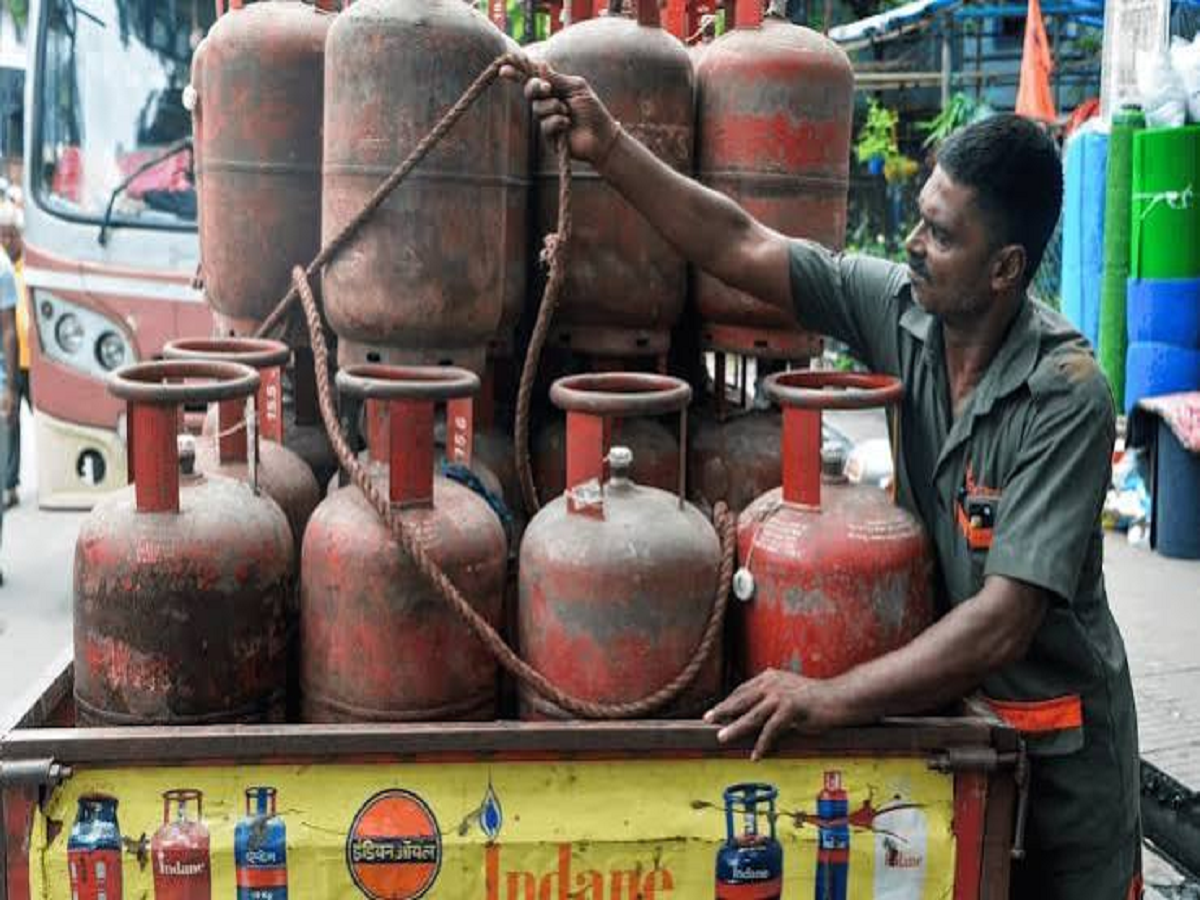
Getting a piped cooking-gas connection could become easier for more households as the government has introduced a new incentive scheme aimed at expanding domestic Piped Natural Gas (PNG) connections across India.
The Incentive Scheme for Promotion of Domestic PNG Connections was launched on 18 August 2026 and came into effect from 1 September 2026. The programme is designed to encourage the expansion of active household PNG connections and extend piped-gas networks to new areas.
What is the new PNG scheme?
The scheme is an initiative of the Ministry of Petroleum and Natural Gas aimed at increasing the number of active domestic PNG connections.
Instead of directly providing a cash subsidy to households, the scheme provides incentives to City Gas Distribution (CGD) entities that increase the number of active and billed domestic PNG connections.
As of 18 August 2026, India had around 1.74 crore domestic PNG connections.
How will the scheme work?
A minimum number of domestic connections has been fixed for each geographical area.
If an eligible gas-distribution company adds billed domestic connections above the specified threshold during the performance period, it can receive an additional allocation of domestically produced gas.
For every qualifying incremental connection, the entity can receive an additional allocation of 200 Standard Cubic Metres (SCM) of gas.
The government expects this mechanism to encourage gas companies to expand their networks and convert inactive or unbilled connections into active ones.
Will this reduce the cost of PNG?
The scheme is intended to support the use of domestically produced gas instead of relatively costlier Liquefied Natural Gas (LNG) for the incentivised supply.
However, this does not mean that every household will automatically receive a fixed reduction in its PNG bill.
The actual price paid by consumers can depend on factors including the local gas-distribution company, gas prices, taxes and applicable charges.
Government encouraging lower VAT
The government has also encouraged States to reduce VAT on natural gas to 5%.
According to the Ministry of Petroleum and Natural Gas, several States have already adopted the lower VAT rate, which can contribute to lower consumer prices where applicable.
Since taxation is partly determined at the State level, the actual impact can differ from one State to another.
A new digital registration system is also planned
Another important development is the proposed unified PNG registration portal.
The single-window digital platform is intended to make it easier for consumers to apply for and track domestic PNG connections.
This could reduce the need for consumers to deal with multiple processes while applying for a new connection, although the availability and rollout of the digital system will depend on implementation.
What about existing PNG connections?
The scheme is not only about installing new pipelines.
It also aims to convert existing unbilled or inactive domestic connections into active, billed connections.
This means households that already have a PNG connection but are not currently using it may also become relevant to the expansion programme as gas-distribution companies work to increase active connections.
How long will the scheme run?
The incentive programme will operate in two tranches spread over six months.
The performance-based structure is intended to encourage CGD companies to expand their customer base within the specified period.
What should households do?
If PNG is available in your area and you are considering switching from LPG to piped gas, check with the authorised City Gas Distribution company serving your geographical area.
Before applying, consumers should check:
- New connection charges
- Security deposit, if applicable
- Installation charges
- Current PNG tariff
- Applicable taxes
- Pipeline availability in their locality
- Expected monthly billing procedure
Consumers should also compare the total cost based on their actual cooking-gas usage rather than assuming that PNG will automatically be cheaper than LPG.
Why this update matters
The government currently has a network of authorised City Gas Distribution entities covering 309 geographical areas across mainland India. Expanding domestic PNG connections is part of the broader effort to increase access to piped cooking fuel.
For households in areas where PNG pipelines are being expanded, the new incentive programme could mean greater availability of piped cooking gas and a simpler process for obtaining a connection as the network develops.
Bottom line
The new Incentive Scheme for Promotion of Domestic PNG Connections came into effect on 1 September 2026. It does not provide a direct cash payment to households; instead, it incentivises gas-distribution companies to increase active domestic connections and expand PNG infrastructure.