BUSINESS
New Government Scheme Can Improve Ration Delivery: What Is SARTHAK-PDS and How Will It Help Consumers?
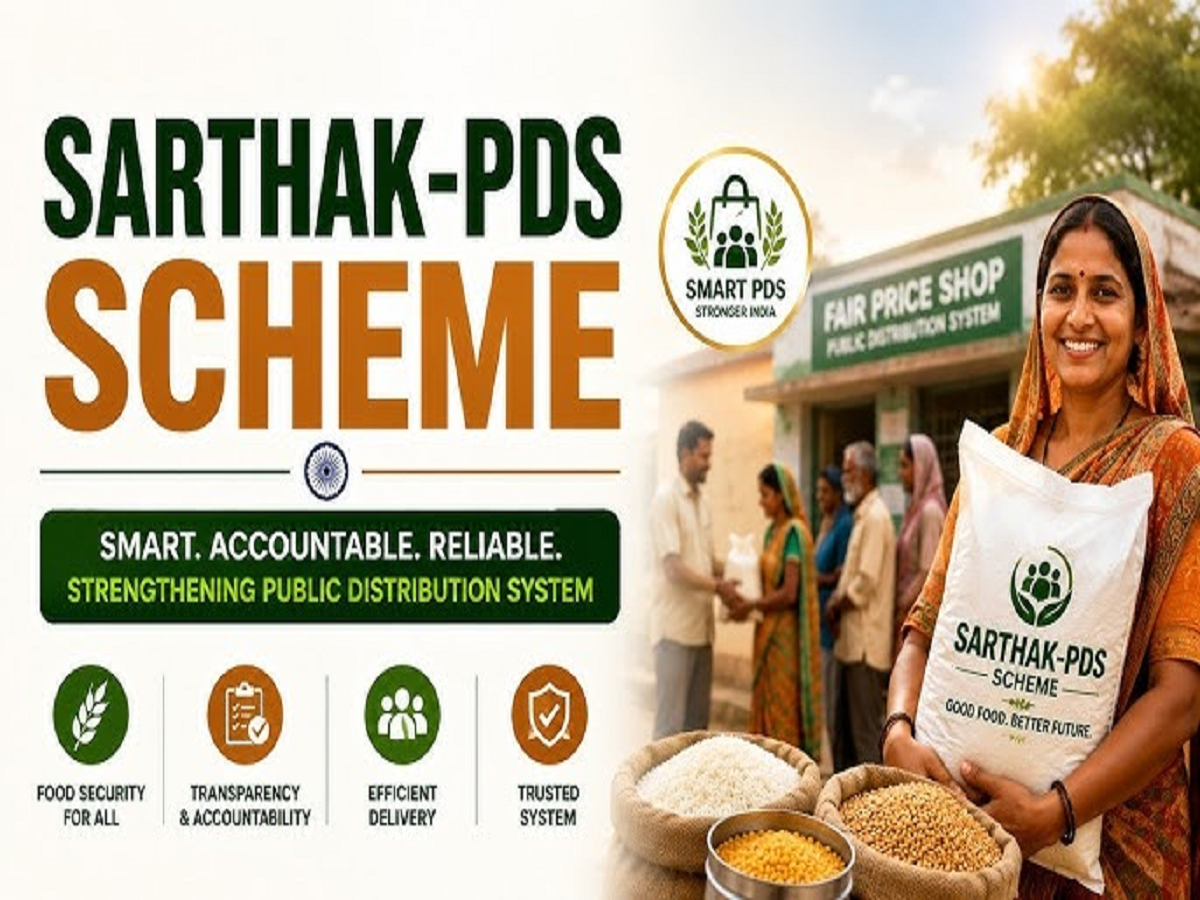
The Government of India has approved a new scheme aimed at strengthening the country's public distribution system and improving the delivery of foodgrains to eligible beneficiaries.
The SARTHAK-PDS scheme, approved in May 2026, has been allocated ₹25,530 crore and focuses on improving logistics and last-mile delivery under the National Food Security Act.
For millions of people who depend on subsidised foodgrains, better transportation, storage and distribution can directly affect how efficiently ration reaches them.
What Is SARTHAK-PDS?
SARTHAK-PDS is designed to improve the infrastructure and technology used to distribute foodgrains through the public distribution system.
The scheme focuses particularly on making the supply chain more efficient, from the movement of foodgrains to their eventual delivery through the ration distribution network.
According to the government, technology integration will play an important role in improving logistics and last-mile delivery.
Why Is This Scheme Important?
The public distribution system serves a very large number of households across India.
Foodgrains have to move through multiple stages before reaching beneficiaries. Delays, inefficient logistics and gaps in last-mile delivery can affect the overall efficiency of the system.
By strengthening the underlying infrastructure, SARTHAK-PDS aims to make foodgrain distribution more streamlined.
One Nation One Ration Card Also Makes Ration More Portable
Another important development for ration beneficiaries is the One Nation One Ration Card (ONORC) system.
The government says ONORC has enabled nationwide portability of ration benefits, allowing eligible beneficiaries to access subsidised foodgrains even when they move away from their home location.
This is particularly useful for migrant workers and families that frequently move between states.
As of the latest government update, ONORC has facilitated more than 2.07 billion transactions for beneficiaries covered under the food distribution system.
What Does This Mean for Common Citizens?
For eligible ration-card holders, the bigger objective is improved reliability of the foodgrain supply chain.
Better logistics can potentially help reduce delays and improve the movement of foodgrains to distribution points.
However, SARTHAK-PDS is primarily an infrastructure and system-improvement initiative. Beneficiaries should not assume that the scheme itself means an additional cash benefit or extra ration entitlement.
What Should Ration Card Holders Do?
There is generally no separate application simply to receive the benefits of improved public distribution infrastructure.
Beneficiaries should instead ensure that their ration-card and identification details are updated according to the applicable state and central government requirements.
People who migrate for employment can also check whether their ration benefits are portable under ONORC.
Why Technology Is Becoming Important in Government Schemes
Government welfare programmes are increasingly using digital systems to improve delivery and reduce dependence on paperwork.
The combination of technology, portability and improved logistics can make welfare services easier to access, particularly for people who move between cities or states.
SARTHAK-PDS is another example of this broader shift toward using technology and infrastructure together to improve public service delivery.
The Bottom Line
The ₹25,530-crore SARTHAK-PDS scheme is focused on strengthening the machinery behind India's ration distribution system rather than providing a new direct cash payment to citizens.
For beneficiaries, its significance lies in the potential for better logistics, stronger last-mile delivery and more efficient foodgrain distribution.
With ONORC already enabling ration portability across the country, improvements to the underlying supply chain could make the public distribution system more convenient and reliable for millions of eligible households.