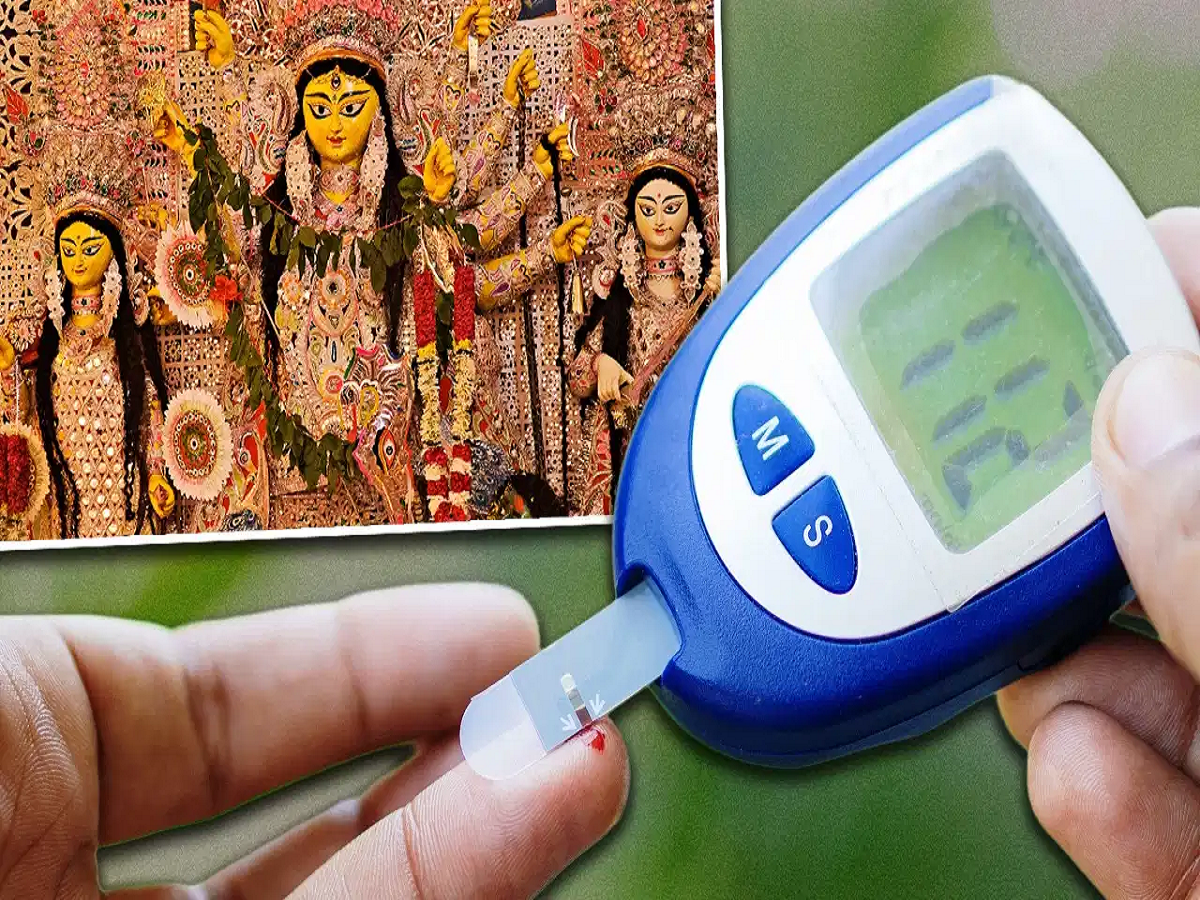
Shardiya Navratri is set to begin on October 11, 2026, and many devotees will observe fasts during the nine-day festival. While fasting is an important religious tradition, people with diabetes need to be particularly careful about their food choices, meal timings and medication schedules.
A common misconception is that foods consumed during religious fasts are automatically healthy and cannot increase blood sugar. In reality, several popular fasting ingredients are rich in carbohydrates and can cause blood glucose levels to rise, especially when eaten in large quantities.
For people managing diabetes, the key is not simply to avoid food but to maintain stable blood sugar levels while observing the fast safely.
Can Navratri Fasting Foods Increase Blood Sugar?
Yes. Many foods commonly consumed during Navratri contain carbohydrates that the body breaks down into glucose. The effect on blood sugar depends on the portion size, preparation method and the individual's diabetes management plan.
Dr. Nishant Singh, Senior Consultant and Unit Head of Internal Medicine at Yatharth Superspeciality Hospital, Noida Extension, explains that people with diabetes should not assume that fasting foods are automatically safe for their condition.
Here are some popular fasting foods that require particular attention.
7 Foods Diabetics Should Consume in Moderation During Navratri
1. Sabudana khichdi and sabudana kheer
Sabudana, or tapioca pearls, is rich in starch and can cause a significant rise in blood glucose. Large servings, particularly when prepared with added sugar or accompanied by other carbohydrate-rich ingredients, may make blood sugar management more difficult.
2. Potatoes
Potatoes are a common ingredient in fasting meals, including potato curries and fried snacks. They contain carbohydrates that can increase blood glucose, so portion control is important.
3. Kuttu ki puri
Buckwheat flour is commonly used during Navratri. Although buckwheat can provide nutrients and fibre, its carbohydrate content still matters. Deep-fried puris can also add substantial calories to a meal.
4. Singhare ke atte ki puri
Water chestnut flour is another popular fasting ingredient. Foods prepared with this flour can contribute to carbohydrate intake, particularly when eaten in large quantities or deep-fried.
5. Sweetened fruit juices
Fruit provides vitamins, minerals and fibre, but juicing removes much of the fibre found in whole fruit. Large servings of fruit juice can raise blood sugar quickly, especially when sugar is added.
6. Sweets and desserts
Makhana kheer, sabudana kheer and other fasting desserts may contain substantial amounts of sugar, milk carbohydrates or starch. Unsweetened or lightly sweetened alternatives in controlled portions may be more suitable, depending on individual glucose responses.
7. Fried fasting snacks
Potato chips, fried namkeen and other deep-fried snacks can contribute excess calories and may be high in salt. They are not ideal substitutes for balanced meals, particularly for people who also have high blood pressure or cardiovascular risk factors.
What Should Diabetics Eat During Navratri?
People with diabetes can often make fasting meals more balanced by combining suitable protein sources, vegetables and controlled portions of carbohydrate-rich foods.
Some options to discuss with a healthcare professional include:
-
Plain curd or unsweetened yoghurt.
-
Paneer in a suitable portion.
-
Whole fruits instead of fruit juice.
-
Non-starchy vegetables permitted under the individual's fasting practices.
-
Nuts and seeds in moderate quantities.
-
Small, planned portions of fasting flours or other carbohydrate-rich ingredients.
The preparation method also matters. Prefer steaming, roasting or using limited oil instead of deep-frying whenever possible. Avoid adding unnecessary sugar to beverages and desserts.
Is Fasting Safe for People With Diabetes?
Fasting is not equally safe for everyone with diabetes. Going without food for extended periods can cause hypoglycaemia, or dangerously low blood sugar, particularly in people taking insulin or certain glucose-lowering medicines.
On the other hand, dehydration, changes in medication schedules and large meals after prolonged fasting can also create health risks.
People with type 1 diabetes, a history of frequent hypoglycaemia, kidney disease, heart disease or poorly controlled blood glucose should seek medical advice before undertaking a prolonged fast.
Warning Signs You Should Never Ignore
During Navratri fasting, watch for symptoms that may indicate low blood sugar, including:
-
Sweating or trembling.
-
Sudden weakness or dizziness.
-
Unusual hunger or a racing heartbeat.
-
Confusion or difficulty concentrating.
If symptoms occur, check blood glucose if possible and follow your clinician's instructions for treating low blood sugar. Severe confusion, seizures or unconsciousness require emergency medical assistance.
Do not change the timing or dosage of insulin or other diabetes medicines on your own. Speak with your doctor before the fast begins to develop an appropriate plan for meals, medication, hydration and glucose monitoring.
How Often Should You Check Blood Sugar During the Fast?
The frequency depends on the type of diabetes, medication and individual risk. People at risk of hypoglycaemia may need more frequent monitoring, including when they feel unwell or experience symptoms.
Checking blood sugar does not mean that fasting is automatically safe, but it can help identify potentially dangerous changes early. Keep water intake adequate during non-fasting hours if your religious practice permits it, while following any fluid restrictions prescribed for other medical conditions.
The Bottom Line
Navratri fasting does not automatically protect against high blood sugar. Sabudana, potatoes, fasting-flour preparations and sugary desserts can all contribute to increased glucose levels, while prolonged fasting can cause blood sugar to fall dangerously low in some people.
With medical guidance, careful portion control and regular monitoring, some people with diabetes may be able to observe a modified fast safely. However, health should remain the priority, and anyone at high risk should discuss safer alternatives with their doctor before beginning the nine-day fast.