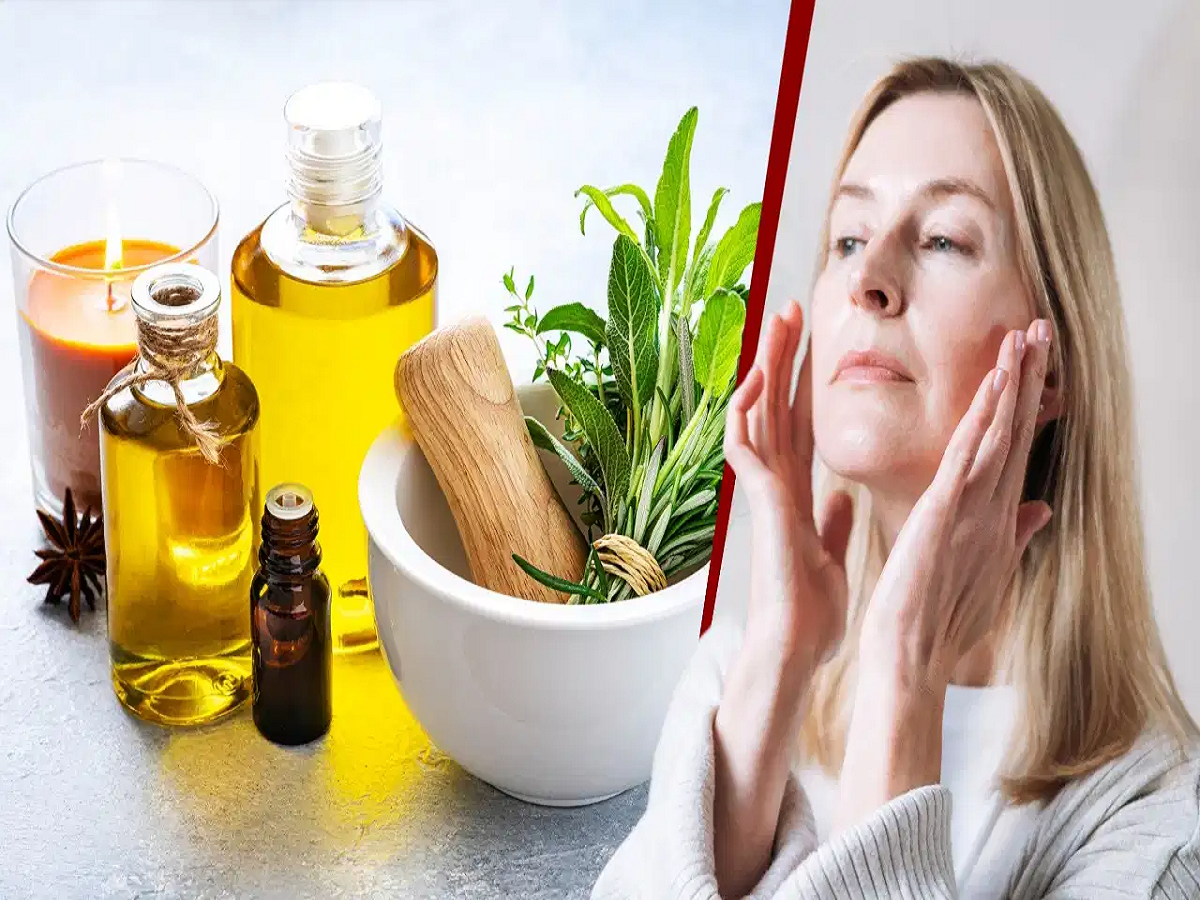
Walk into any store today and you will find skincare and personal hygiene products proudly labelled "natural" or "herbal." From aloe vera and neem to turmeric, moringa and chamomile, plant-based ingredients have become increasingly popular among consumers who believe they are gentler and safer than conventional products.
But is a product automatically safe simply because it contains natural ingredients? Not necessarily. Experts point out that even plant-based ingredients can cause irritation or allergic reactions in some people. So before choosing your next herbal skincare product, there are a few things you should know.
Why are aloe vera and chamomile so popular?
Aloe vera has been used for years in skincare because of its moisturising and soothing properties. It is now commonly found in gels, creams, lotions and other personal care products.
Chamomile is another popular botanical ingredient, particularly in products marketed for sensitive or irritated skin. Its soothing properties have made it a common addition to various skincare formulations.
However, the presence of these ingredients does not automatically mean that every product containing them will suit every person.
Neem, turmeric and moringa are also making their way into skincare
Neem has traditionally been associated with skin and hygiene care and is now used in products such as soaps, shampoos and other personal care items.
Turmeric, known as Haridra in Ayurveda, has an even longer history of traditional skincare use. Today, turmeric and compounds derived from it can also be found in modern cosmetic formulations.
Moringa is another plant gaining attention in the beauty and personal care industry. Its leaves contain various nutrients and plant compounds, and researchers continue to investigate their potential benefits.
However, it is important to distinguish between traditional use, scientific research and proven medical treatment. The presence of a particular plant extract does not mean that a cosmetic product can treat or prevent a disease.
Does "natural" mean completely safe?
Not always.
According to Vaidya Achyut Kumar Tripathi, a member of the National Academy of Ayurveda, several medicinal plants are being studied for properties such as antioxidant and skin-soothing effects. However, traditional use alone does not establish that an ingredient can cure a particular condition.
The same principle applies to skincare. A natural or herbal ingredient can still cause problems depending on the individual's skin type, concentration of the ingredient and overall product formulation.
Some botanical ingredients may cause:
-
Skin irritation
-
Redness
-
Itching
-
Burning or stinging
-
Allergic reactions
-
Swelling
Therefore, the words "natural" and "herbal" should not be treated as a guarantee that a product is suitable for everyone.
Be extra careful when using products on intimate areas
The skin around intimate areas can be particularly sensitive. Products used in these areas should therefore be chosen carefully.
Ingredients such as fragrances, essential oils and certain botanical extracts may cause irritation in some individuals. A product that works well on the hands or arms may not necessarily be appropriate for more sensitive areas.
Always read the ingredient list and follow the manufacturer's directions before using a new personal hygiene product.
What should you do if your skin reacts?
If you notice burning, itching, redness, swelling or unusual discomfort after applying a product, stop using it.
Mild irritation may improve after discontinuing the product, but if symptoms continue, become severe or keep returning, consult a qualified doctor or dermatologist rather than trying multiple products on your own.
What should you check before buying a herbal product?
Instead of relying only on the words "natural" or "herbal," look at the complete product formulation.
Check the ingredient list, intended use, directions for application and any warnings provided on the packaging. If you have particularly sensitive skin or a history of allergies, be more cautious when introducing new products.
The bottom line
Natural does not automatically mean risk-free.
A plant-derived ingredient may have useful properties, but its safety depends on the formulation, concentration, how and where it is used, and how an individual's skin responds to it.
So, the next time you see "natural" or "herbal" on a skincare or personal hygiene product, don't assume it is automatically better or safer. Read the label, understand what you are applying to your skin and stop using the product if it causes a reaction.