LIFESTYLE
National Nutrition Week 2026: From Simple Home-Cooked Meals to Packaged Foods—How the Indian Plate Has Changed in 30 Years
National Nutrition Week is observed to remind people that food is not merely about satisfying hunger. A healthy diet should provide the body with essential nutrients such as proteins, vitamins, minerals, amino acids and healthy fats. The campaign also focuses on creating awareness about malnutrition and the importance of balanced eating.
The theme of National Nutrition Week 2026 is “Discover the Power of Nutrition.” As India marks the occasion, it is worth looking at how the country's food habits have transformed over the past three decades—and how those changes have affected the everyday Indian plate.
The Indian Plate Has Changed Dramatically
Food has always been closely connected with Indian culture, traditions and family life. Earlier, meals were generally prepared at home and eaten at fixed times. Dinner, for instance, was often finished by around 8 pm, while breakfast and lunch followed relatively consistent schedules.
For many families, especially in rural areas, this traditional routine continues even today. However, urban lifestyles have brought significant changes to the way Indians eat, what they eat and when they eat.
What Did an Indian Meal Look Like Around 1995?
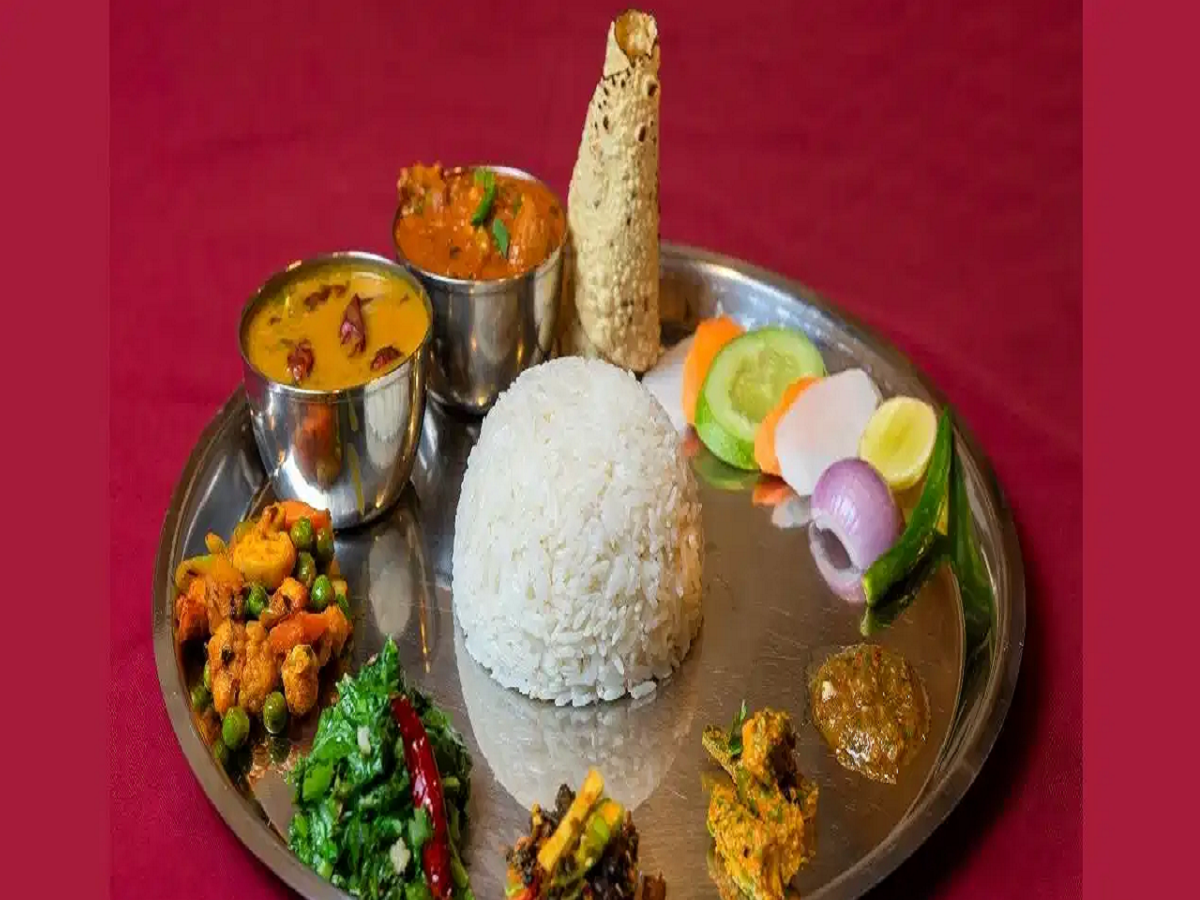
Around 30 years ago, a typical Indian household meal was relatively simple but often nutritionally diverse. Wheat rotis and rice formed the primary staples, while the meal was accompanied by seasonal vegetables, pulses, milk, curd, buttermilk, salads, pickles and homemade chutneys.
In villages, different grains were often used to prepare rotis depending on the region and season. Since refrigeration, transportation and modern storage systems were not as widespread as they are today, fruits and vegetables were largely consumed according to their natural growing seasons.
The result was a diet that relied heavily on fresh, locally available ingredients.
Breakfast Was Mostly Homemade
Breakfast in the 1990s was also dominated by traditional and homemade foods. Depending on the region, families prepared dishes such as porridge, cheela, vegetable parathas, poha, upma, idli, thepla, dhokla and other local specialities.
Tea was, and continues to be, an important part of the morning routine for millions of Indians.
Compared with today's lifestyle, breakfast generally involved more preparation at home and fewer ready-to-eat options.
The Beginning of India's Fast-Food Era
The mid-1990s marked an important turning point in India's food culture. International fast-food chains began expanding in the country, introducing more Indians to foods such as burgers and pizzas.
Companies also adapted their menus to suit Indian tastes, giving popular fast-food products a distinctly local flavour.
However, fast food was initially more of an occasional indulgence rather than a regular part of the Indian diet. Packaged and ready-to-eat foods were also far less accessible than they are today.
From Grain-Heavy Meals to More Diverse Food Choices
Over the next three decades, India's dietary pattern gradually changed. The traditional dominance of cereals and grains declined, while the share of several other food categories increased.
According to data cited by NITI Aayog, cereals accounted for around 22.23% of average monthly per-capita consumption expenditure among rural households in 1999. By 2022-23, this share had fallen to about 4.91%. In urban India, the corresponding share declined from 12.39% to 3.64%.
At the same time, spending shares on categories such as milk and milk products, fruits, beverages and processed foods increased between 2011-12 and 2022-23 in both rural and urban areas.
The share of eggs, fish and meat also increased in rural areas, while remaining broadly stable in urban regions.
Why Did Eating Habits Change So Much?
The transformation was closely linked to India's changing lifestyle.
Between 2000 and 2010, rapid urbanisation, migration for employment, rising incomes and expanding markets changed the way people purchased and consumed food.
For busy urban households, convenience became increasingly important. Packaged snacks, instant meals and ready-to-cook products offered a quick alternative to traditional cooking.
As supermarkets, modern retail stores and food-delivery services expanded, consumers also gained access to a much wider variety of foods.
COVID-19 Accelerated the Convenience-Food Trend
The pandemic brought another major shift.
During lockdowns, online grocery shopping and home delivery became increasingly common. With people spending more time indoors, packaged and processed food products became easily accessible through digital platforms.
The period also changed people's relationship with cooking and food consumption. While some households returned to traditional home cooking, others became increasingly dependent on convenient food options.
The growing availability of calorie-dense processed foods, combined with increasingly sedentary lifestyles, also contributed to concerns surrounding obesity and unhealthy eating patterns.
What Does the Indian Plate Look Like in 2026?
The Indian food landscape today is far more diverse than it was 30 years ago.
Fast-food outlets and street-food stalls are now common across cities and towns, while supermarkets offer an enormous range of packaged snacks, instant meals, beverages and processed products.
For students, working professionals and people living away from their families, convenience often determines food choices. Products that can be prepared within minutes can seem far more practical than meals requiring extensive preparation.
Yet there is another side to the story.
Health Awareness Is Rising Too
While unhealthy food has become easier to access, awareness about nutrition and fitness has also grown significantly.
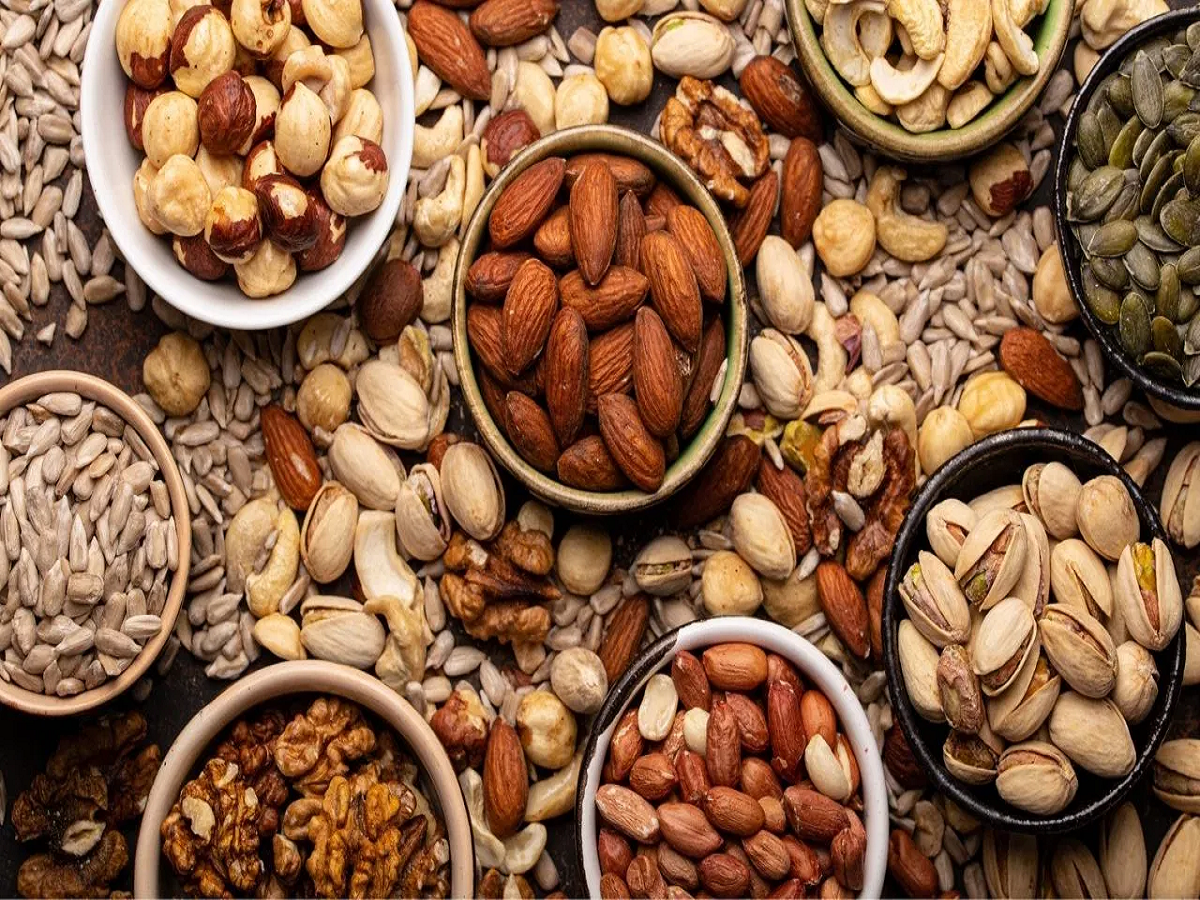
People are increasingly interested in fruits, vegetables, nuts and seeds, while traditional grains and regional foods are also receiving renewed attention.
Social media has played an important role in this shift. Short videos and health-focused content have introduced younger consumers to traditional ingredients, homemade recipes and healthier eating patterns.
Modern storage and transportation systems have also made a much wider range of fruits and vegetables available throughout the year, reducing dependence on seasonal availability.
The Biggest Lesson From 30 Years of Change
The Indian plate of 2026 is not necessarily less diverse than the plate of 1995—it is simply different.
The older diet was often based on fresh, homemade and locally available ingredients, while today's diet offers greater variety and convenience but also much easier access to highly processed foods.
The challenge now is to combine the best of both worlds: retain the nutritional value of traditional Indian meals while making informed choices in a modern, fast-paced lifestyle.
National Nutrition Week is therefore more than a reminder to eat less junk food. It is an opportunity to understand what our bodies actually need and make everyday food choices that support long-term health.
After all, nutrition is not about following a perfect diet for a few days—it is about building better eating habits for life.