The internet is currently buzzing with the Nano Banana trend, where users are creating stunning 3D figures and retro-style images using AI tools like Gemini. From creative portraits to futuristic visuals, social media platforms are flooded with eye-catching AI-generated pictures. While this technology allows people to experiment with their creativity, it has also raised serious concerns about privacy, authenticity, and the reliability of online content.
As AI tools continue to advance, identifying whether an image is real or artificially generated has become increasingly challenging. If you are wondering how to distinguish between AI-created visuals and genuine photographs, here are some practical tips to help you spot the difference.
1. Examine the Details Closely
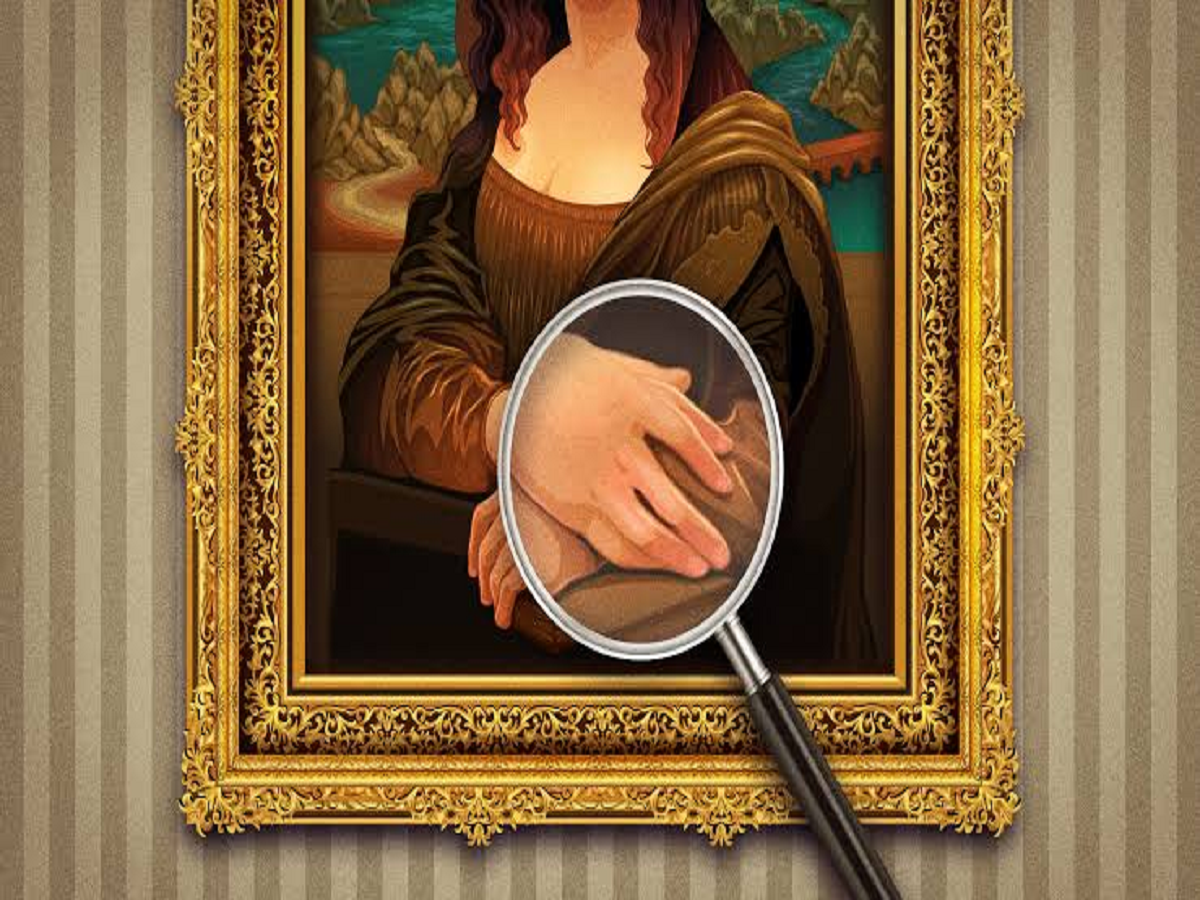
AI-generated images often appear flawless at first glance but usually contain subtle imperfections. Look carefully at features such as fingers, eyes, and facial expressions. In many cases, fingers may appear distorted, eyes may have unusual reflections, or facial features may lack natural symmetry. Backgrounds might also contain blurred or oddly shaped elements that don’t align with real-world settings. These inconsistencies are key indicators of AI manipulation.
2. Check Text and Logos
One of the easiest ways to detect AI-created pictures is by inspecting any text or logos present in the image. AI tools frequently struggle to reproduce readable or accurate text. Fonts may look irregular, letters might be jumbled, and written words often appear blurry or nonsensical. Similarly, logos in AI-generated visuals tend to be unclear or poorly replicated, making them a giveaway of artificial creation.
3. Observe Lighting and Shadows
Lighting and shadows can reveal whether an image is genuine. Natural photos usually have consistent light sources and shadows, but AI-generated images often show mismatched lighting angles or unnatural shadow placement. For example, an object’s shadow may not align with the direction of the light source, creating a subtle but noticeable discrepancy.
4. Use Metadata Analysis Tools
Digital tools like FotoForensics and Metadata2Go can help verify the authenticity of an image by checking its metadata. Real photographs typically include details such as the camera model, lens type, and shooting parameters. AI-generated images, on the other hand, often lack these key technical details, making metadata inspection a reliable method for detection.
5. Trust Your Instincts
If an image looks “too perfect” or unusually artistic, it might be worth questioning its origin. AI tools are designed to create visually appealing content, but their perfection can sometimes feel unnatural.
The rise of trends like Nano Banana shows how AI is reshaping digital creativity. While these tools can produce visually stunning images, understanding how to identify AI-generated content is essential in an era where online authenticity is increasingly difficult to guarantee. By following these tips, you can stay alert and avoid being misled by artificial visuals circulating on social media.