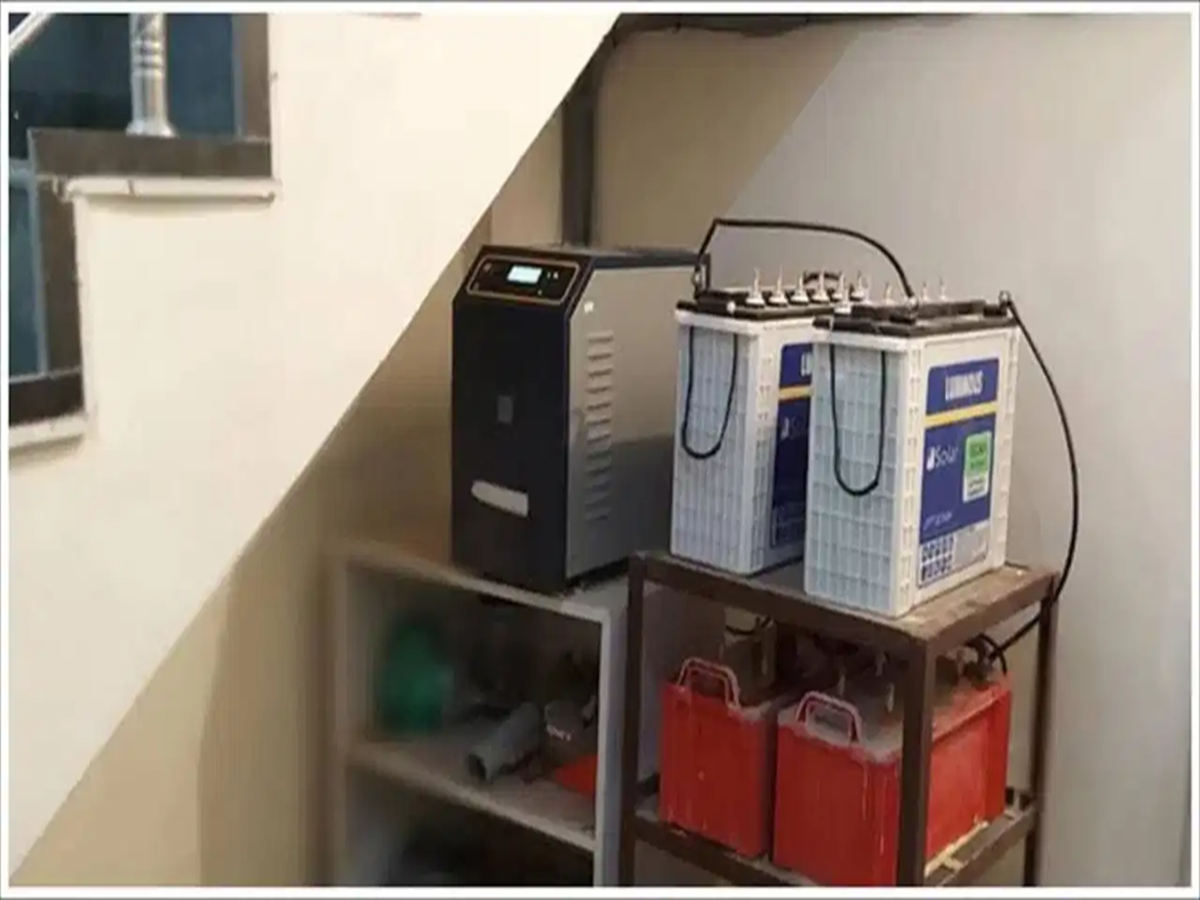
The rainy season brings relief from heat, but it also creates challenges for home electrical systems—especially your inverter and battery. High humidity and frequent power cuts can reduce backup performance and even increase the risk of short circuits if proper care is not taken.
Here are some simple but important precautions to keep your inverter safe during the monsoon.
Keep inverter in a dry, well-ventilated place
Your inverter and battery should always be placed away from moisture, leaks, or damp corners. Avoid keeping them directly on the floor; instead, place them on a slightly raised surface to prevent water contact.
Also, do not place the inverter directly against a wall. Leaving some space around it allows proper airflow, helps heat dissipation, and reduces the risk of overheating.
Regularly check battery water level
During monsoon season, battery maintenance becomes even more important. Check the water level every 45–60 days and ensure it remains within the recommended limit.
Only use distilled water when refilling. Avoid tap water or RO water, as minerals in them can damage the battery and reduce its lifespan. Also, do not overfill, as it may lead to leakage of battery acid.
Keep terminals clean and dry
Humidity can cause corrosion on battery terminals, often visible as a white or green layer. If you notice this, get it cleaned by a technician immediately.
For routine cleaning, use a dry cloth only. Avoid wet cloths, as moisture can increase the risk of electrical issues.
Avoid overloading the inverter
During frequent power cuts, many users connect too many appliances, which puts extra pressure on the inverter and drains the battery quickly.
Avoid running heavy appliances such as air conditioners, geysers, and microwaves on inverter backup. Overloading not only reduces battery backup time but also shortens overall battery life.
Final tip
With proper placement, regular maintenance, and careful usage, your inverter can work efficiently throughout the monsoon season without unexpected breakdowns or battery issues.