LIFESTYLE
Matcha Tea: A Superfood or a Hidden Risk? Experts Reveal Who Should Think Twice Before Drinking It
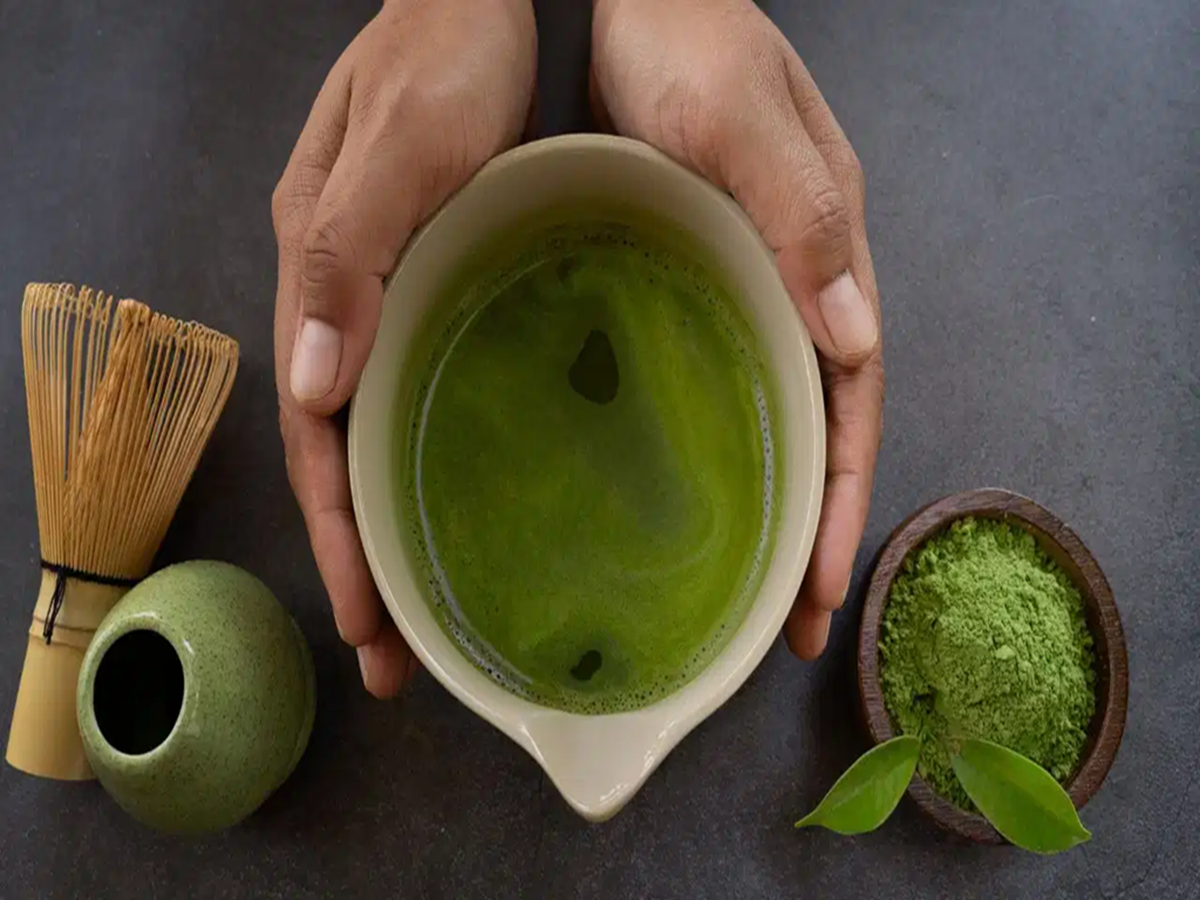
For generations, tea has been more than just a beverage in India—it's an emotion woven into daily life. While traditional chai continues to dominate, a new favorite from Japan is steadily winning hearts: Matcha tea. Its growing popularity has even encouraged Assam to become the first Indian state to commercially produce matcha, highlighting the country's changing tea preferences.
Known for its vibrant green color and impressive nutritional profile, matcha is often praised as a healthy drink. However, health experts say it may not be the right choice for everyone. Here's why.
Why Matcha Can Affect Some People Differently
According to diet experts, matcha is different from regular green tea because it is made from finely ground whole tea leaves rather than just an infusion. As a result, it delivers higher amounts of caffeine and other natural compounds.
People who are sensitive to caffeine may experience symptoms such as nervousness, shaky hands, restlessness, acidity, a rapid heartbeat, or difficulty sleeping after drinking matcha. If you notice these effects, it's best to limit your intake or enjoy it only in small amounts during the morning or early afternoon.
Sleep Problems? Drink With Caution
Although matcha contains natural compounds that may help improve focus and promote a sense of calm, its caffeine content can still interfere with sleep. Those who struggle with insomnia or are highly sensitive to caffeine should avoid consuming matcha later in the day.
Low Iron Levels? Timing Matters
Matcha is rich in antioxidants called catechins, which offer several health benefits. However, these compounds can also reduce the body's ability to absorb iron from food.
People with iron deficiency or anemia should avoid drinking matcha alongside meals. Instead, consuming it between meals may help minimize its impact on iron absorption.
Pregnancy and Certain Health Conditions Require Extra Care
Pregnant or breastfeeding women, individuals with heart rhythm disorders, and those taking regular medications should consult their healthcare provider before making matcha a daily habit. While matcha can be part of a balanced lifestyle, it is important to ensure it suits your individual health needs.
The Bottom Line
Matcha tea offers several potential health benefits, but it is not a one-size-fits-all beverage. Understanding your body's response to caffeine and considering your overall health can help you decide whether matcha deserves a place in your daily routine. As with any health trend, moderation and mindful consumption remain the key to enjoying its benefits safely.