NATIONAL
Massive Protests and Violence Erupt in Pakistan-Occupied Kashmir; Two Killed, Dozens Injured, Police Held Hostage
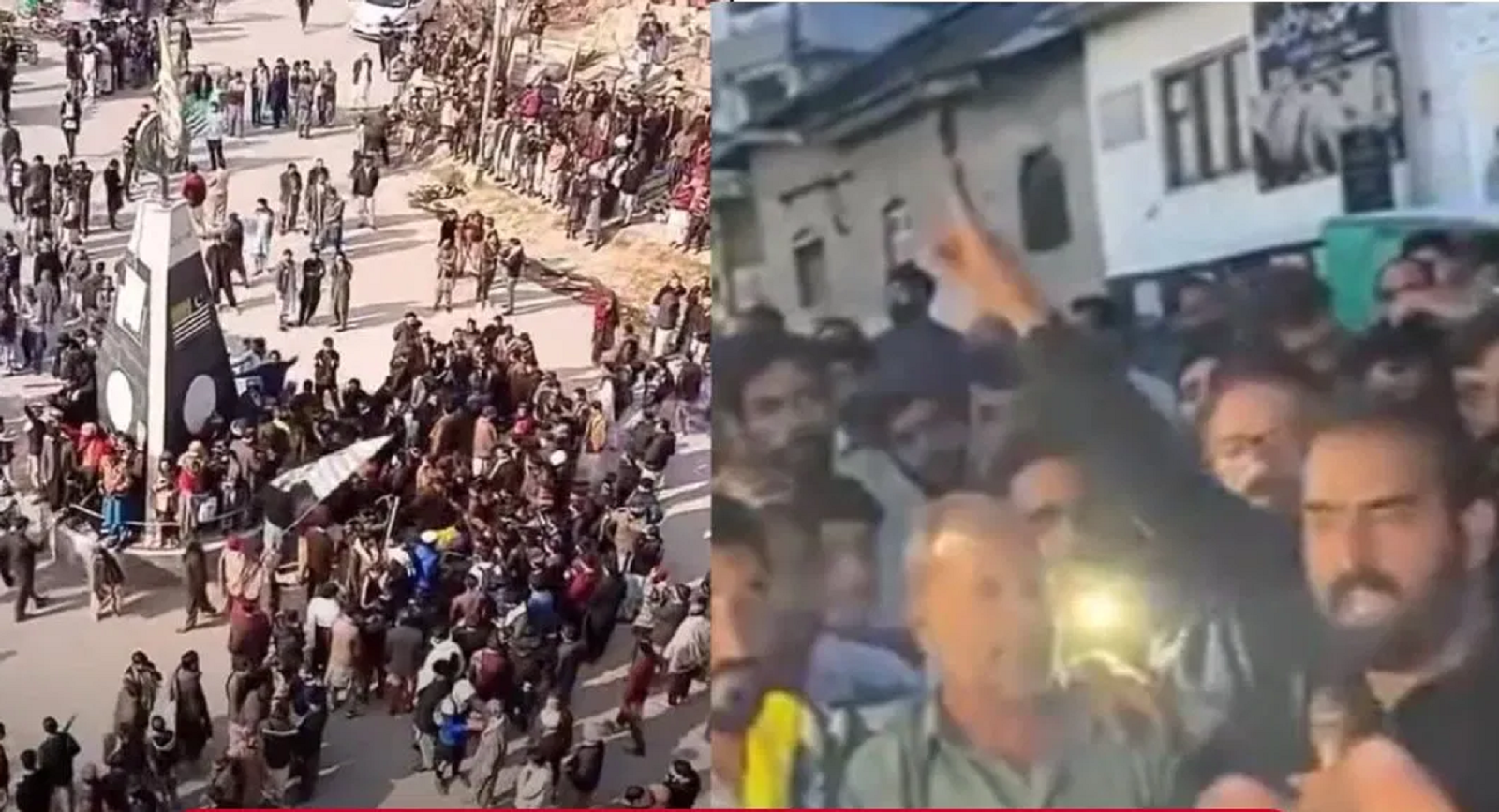
Widespread unrest has engulfed Pakistan-occupied Kashmir (PoK) as thousands of residents have taken to the streets protesting political repression, economic hardship, and alleged corruption by the Pakistani administration. The protests have turned violent in several districts, including Muzaffarabad, Kotli, Dadyal, and Bagh. Internet and mobile services have been suspended region-wide to quell dissent, but the situation continues to deteriorate.
Deadly clashes broke out in Muzaffarabad on September 29, 2025, when police and paramilitary forces opened fire on demonstrators. At least two protesters were killed and more than 22 injured. Eyewitnesses report that armed supporters of the ISI-backed Muslim Conference and security forces fired at crowds demanding basic rights and abolition of privileges reserved for certain groups.
The unrest also saw local populations in Bagh district reportedly capturing Punjab police personnel, highlighting the intensity of public anger. Major trade shutdowns and sit-ins were organized under the leadership of the Awami Action Committee (AAC) and Joint Kashmir Awami Action Committee (JKJAAC), calling for a 38-point set of demands that include lower electricity prices, more participation in local hydro projects, reduction of VIP privileges, ending reserved assembly seats, and increased political autonomy.
What started as a struggle for affordable flour and electricity has now expanded into a mass movement for broader rights and governance reforms. The administration's inability to deliver on prior agreements and perceived disregard for local needs has further fueled the uprising. In Rawalakot and Kotli, protesters dismantled police barricades and continued their march despite violent crackdowns.
The situation remains tense, with the AAC calling for a mass march on Muzaffarabad on October 1, raising fears of a major escalation and violent confrontation. The current crisis exposes long-standing grievances, growing discontent, and deepening estrangement between the people of PoK and the Pakistani state.