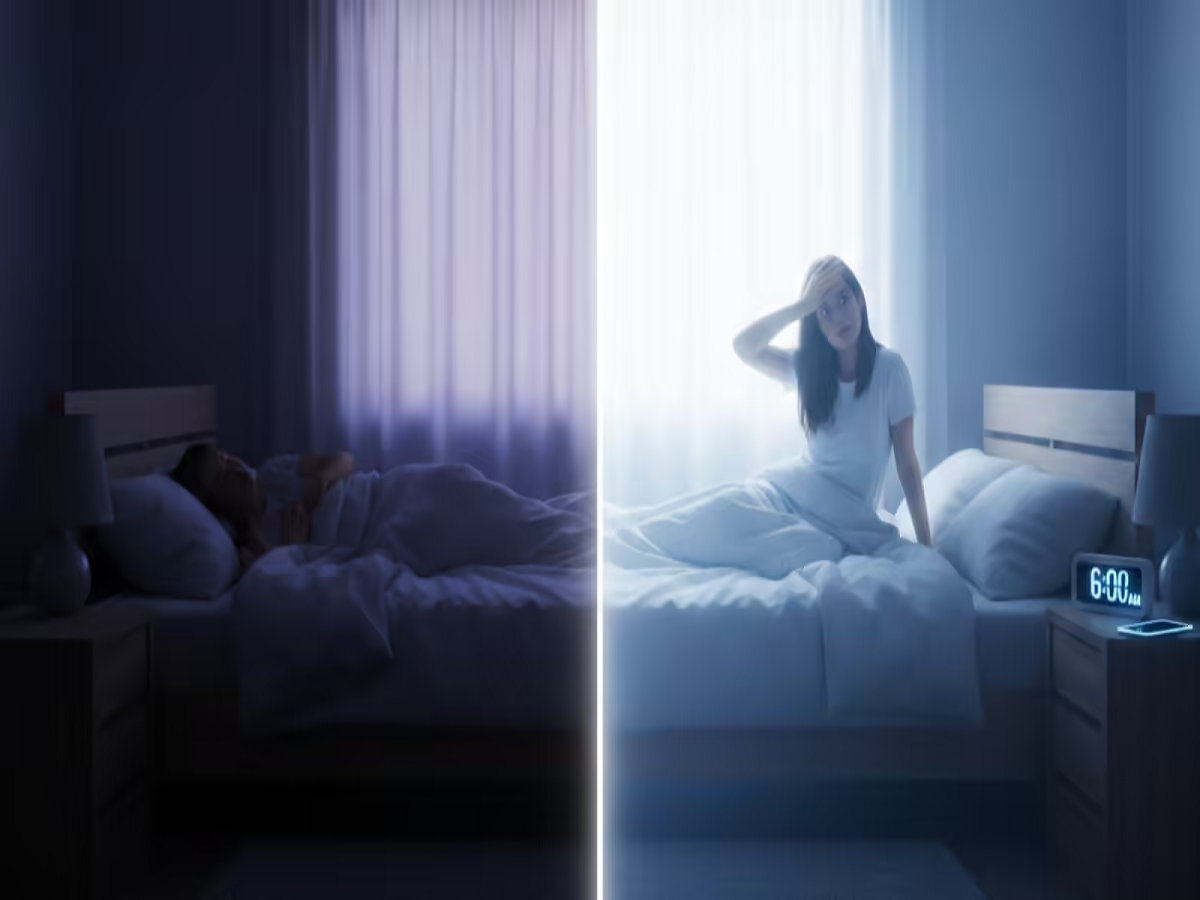
The human body is a remarkable machine that works in deep harmony with nature. It's often observed that a deep sleep begins as soon as one lies down in bed in the dark of night, but as soon as the lights turn on or the first rays of dawn fall upon the eyes, sleep is abruptly interrupted. While most people consider this a normal process, it hides a profound science and complex workings of the body.
The body's natural clock
A subtle yet powerful system operates within the human brain, called the circadian rhythm, or internal biological clock. This clock is active 24 hours a day and signals the body when to wake and when to sleep. This clock is directly controlled by a specific part of the brain. When light reaches the retina through the eyes, special cells send signals to the brain. The brain interprets this light as a sign of day and instructs the body to remain active. Conversely, when it becomes dark, the brain interprets it as a sign of night and begins preparing for sleep.
Sleep hormone
In this interplay between sleep and light, a hormone called melatonin plays a key role. It's also known as the "sleep hormone." As darkness descends, the brain's pineal gland increases melatonin production. As this hormone's levels rise, the body begins to feel drowsy and falls into a deep sleep. However, as soon as the eyes perceive light, melatonin production slows or stops. This is why, as soon as the light is turned on, the body becomes alert and awakens.
Artificial light
In ancient times, human sleep was regulated by sunlight and darkness, but in today's digital age, artificial light has disrupted this balance. These days, bright office lights, streetlights, and, most dangerously, smartphone and laptop screens are affecting our sleep patterns. The blue light emitted from these devices confuses the brain, making it believe it's still daytime, preventing proper melatonin production even at night.
Lack of sleep and its effects on health
When light repeatedly disrupts the circadian rhythm, the effects aren't limited to sleep. Chronic sleep deprivation or frequent sleep disruptions can slow metabolism, leading to weight gain. Furthermore, it increases the risk of heart disease, mental stress, and irritability. Light interference disrupts the deep rest the body needs to repair itself.
What to do to sleep better?
According to experts, the bedroom environment should be quiet and dark to improve sleep quality. It's crucial to stay away from gadgets like mobile phones and laptops at least an hour before bed. If lighting is necessary, use dim yellow or red light, as these have a lesser impact on sleep than blue light. The darker the room, the deeper and healthier your sleep will be.
Ultimately, sleep isn't just a process of resting the body, it's a biological necessity. If you're having trouble falling asleep despite complete darkness, it could be a sign of an underlying health problem. In such a situation, it's advisable to consult a specialist to restore this natural rhythm to your body.