NATIONAL
“Just 10 Minutes, My Lord”: 19-Year-Old Atharva Chaturvedi Argues His Own Case, Wins Relief in Supreme Court
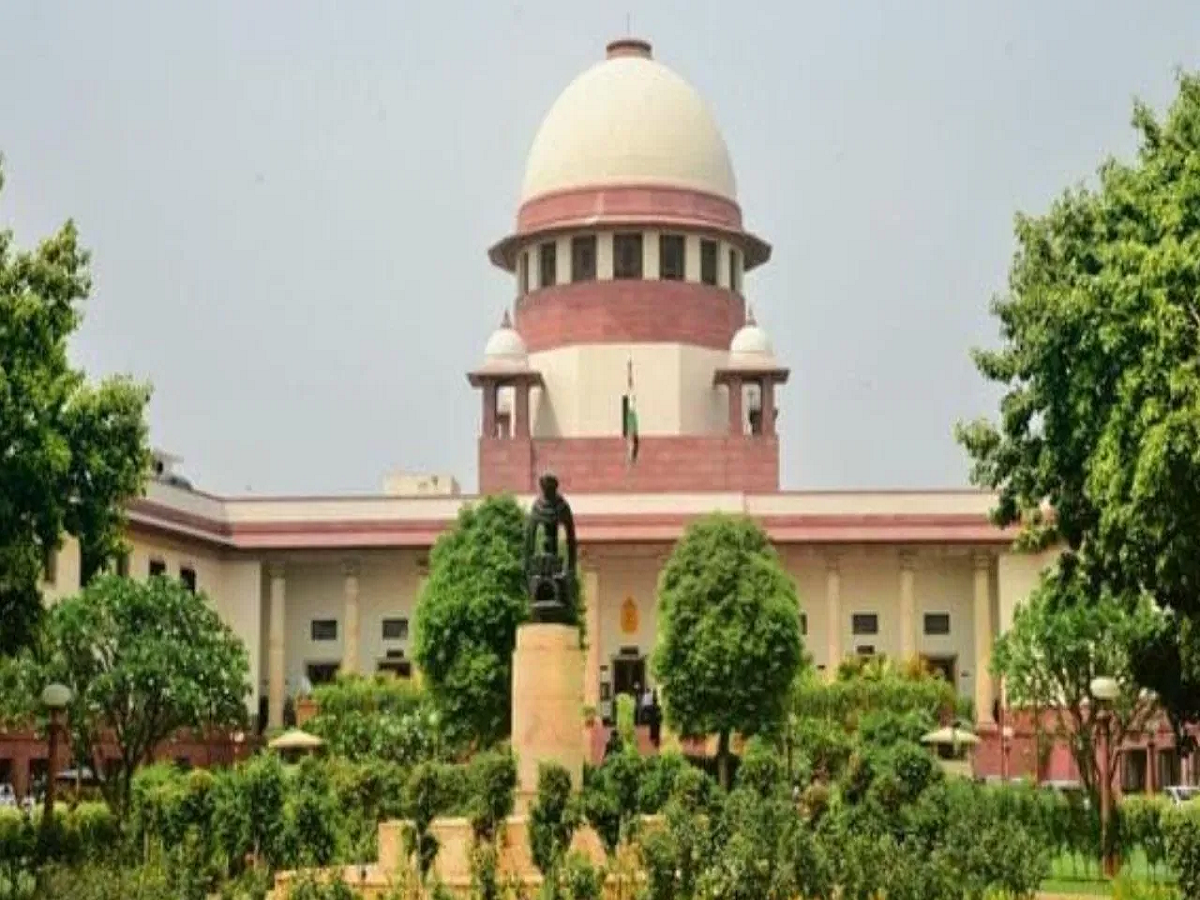
In a remarkable display of determination and legal clarity, Atharva Chaturvedi, a 19-year-old student from Madhya Pradesh, secured relief from the Supreme Court of India after personally arguing his case for just ten minutes.
Atharva, who cleared the NEET examination twice with a score of 530, was repeatedly denied admission to a medical college despite being eligible under the Economically Weaker Section (EWS) category. Authorities cited the absence of an EWS quota in private medical colleges as the reason for rejection.
A long legal battle
After being denied admission, Atharva first approached the High Court and later the Supreme Court. His initial petition was dismissed, though the court acknowledged that his arguments were logically sound and advised that the matter could be considered in the following academic year.
Unwilling to give up, Atharva filed a fresh petition in January 2025, requesting an online hearing. When the matter came up in February, Atharva surprised the court by requesting just ten minutes to present his case—despite not being a lawyer but a Class 12 pass student.
Court hears the student
The case was heard by Justice Surya Kant, who listened patiently as Atharva argued that students should not be penalised for the failure of state governments to implement reservation policies. He pointed out that although he met all eligibility criteria, the absence of a formal notification on EWS reservation in private medical colleges had unfairly blocked his admission.
Supreme Court’s ruling
Agreeing with Atharva’s reasoning, the Supreme Court held that admission cannot be denied solely due to the non-issuance of a reservation notification by the state. Exercising its special powers under Article 142 of the Constitution, the court directed the National Medical Commission and the Madhya Pradesh government to grant provisional MBBS admission to eligible EWS candidates for the 2025–26 academic session.
The court specifically ordered that Atharva be allotted a medical college within seven days, effectively clearing his path to becoming a doctor.
A moment of inspiration
From facing repeated rejections to standing alone before the country’s highest court, Atharva Chaturvedi’s case has emerged as a powerful example of perseverance—showing that a strong argument, even from a teenager, can make its mark at the highest level of justice.