BUSINESS
ITR Filing Benefits: Why You Should File an Income Tax Return Even If You Have No Tax Liability
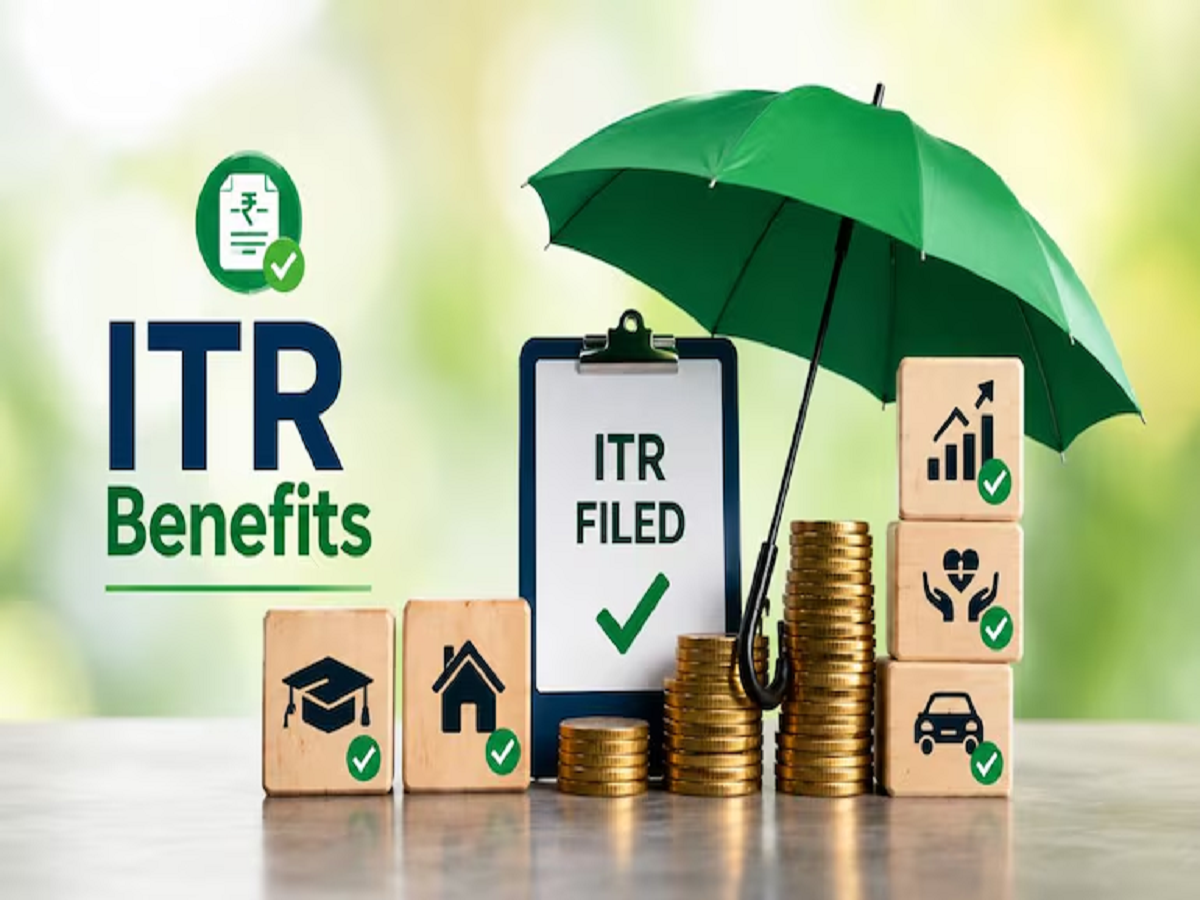
Many people believe that filing an Income Tax Return (ITR) is necessary only when their annual income exceeds the taxable limit. However, tax experts say that filing an ITR can be beneficial even if your tax liability is zero.
Apart from fulfilling a legal compliance requirement where applicable, an Income Tax Return also serves as an important financial document that can help in obtaining tax refunds, applying for loans, carrying forward eligible losses, and even supporting visa applications.
Here are five important reasons why filing an ITR can be worthwhile, even if you do not have to pay income tax.
1. Claim Refund of Tax Deducted at Source (TDS)
One of the biggest advantages of filing an ITR is claiming a refund of Tax Deducted at Source (TDS).
In many cases, TDS may have been deducted from:
-
Salary
-
Fixed deposit interest
-
Professional payments
-
Other eligible income sources
If your total taxable income ultimately falls below the applicable tax liability, you may become eligible for a refund of the excess tax deducted.
However, the Income Tax Department generally processes such refunds only after a valid Income Tax Return is filed.
2. Carry Forward Eligible Business or Capital Losses
Filing your return within the prescribed due date can also help preserve certain tax benefits related to eligible losses.
If you incur losses from sources such as:
-
Business or profession
-
Listed shares
-
Mutual funds
-
Capital assets
-
Other eligible investments
you may be able to carry forward those losses, subject to the provisions of the Income-tax Act.
These losses can potentially be adjusted against eligible future gains, helping reduce tax liability in subsequent years where permitted by law.
3. Makes Loan Applications Easier
Banks and financial institutions often consider Income Tax Returns as proof of income while evaluating loan applications.
ITRs are commonly requested for:
-
Home loans
-
Personal loans
-
Vehicle loans
-
Business loans
-
Education loans
For self-employed individuals, consultants, freelancers, and professionals, ITRs often serve as one of the primary documents demonstrating income stability.
Maintaining a consistent ITR filing record may strengthen your financial profile during credit assessment.
4. Helpful During Visa Applications
Several countries require applicants to provide evidence of financial stability while applying for visas.
Depending on the destination and visa category, authorities may request copies of Income Tax Returns from previous years as part of the documentation.
ITRs are commonly accepted as financial records during applications for:
-
Tourist visas
-
Student visas
-
Business visas
-
Long-term residence permits
Although visa requirements vary by country, maintaining a regular ITR filing history can help demonstrate financial credibility during the application process.
5. Avoid Late Filing Fees and Interest
Filing your Income Tax Return within the prescribed deadline can help avoid penalties where applicable.
Under the applicable provisions of the Income-tax Act, delayed filing may result in:
-
Late filing fees, subject to eligibility and income level.
-
Interest on outstanding tax liability, where applicable.
-
Delays in processing refunds.
-
Additional compliance requirements in certain situations.
Timely filing helps taxpayers remain compliant while avoiding unnecessary financial costs.
More Than Just a Tax Return
An Income Tax Return is increasingly viewed as an important financial document beyond taxation.
It can serve as:
-
Income proof.
-
Financial history.
-
Creditworthiness indicator.
-
Supporting document for investments and financial applications.
Even individuals with income below the taxable threshold may choose to file an ITR voluntarily for record-keeping and future financial convenience, provided they satisfy the applicable filing conditions.
Things to Remember Before Filing
Before submitting your Income Tax Return, ensure that:
-
Your PAN and Aadhaar details are correctly linked, where required.
-
Bank account information is updated.
-
Form 16, AIS, TDS details, and other financial records are verified.
-
The correct ITR form is selected based on your income profile.
-
The return is filed before the applicable due date.
While not everyone is legally required to file an Income Tax Return, doing so can offer several long-term financial advantages. Taxpayers who are uncertain about their filing obligations should refer to the latest Income Tax Department guidelines or consult a qualified tax professional before submitting their return.