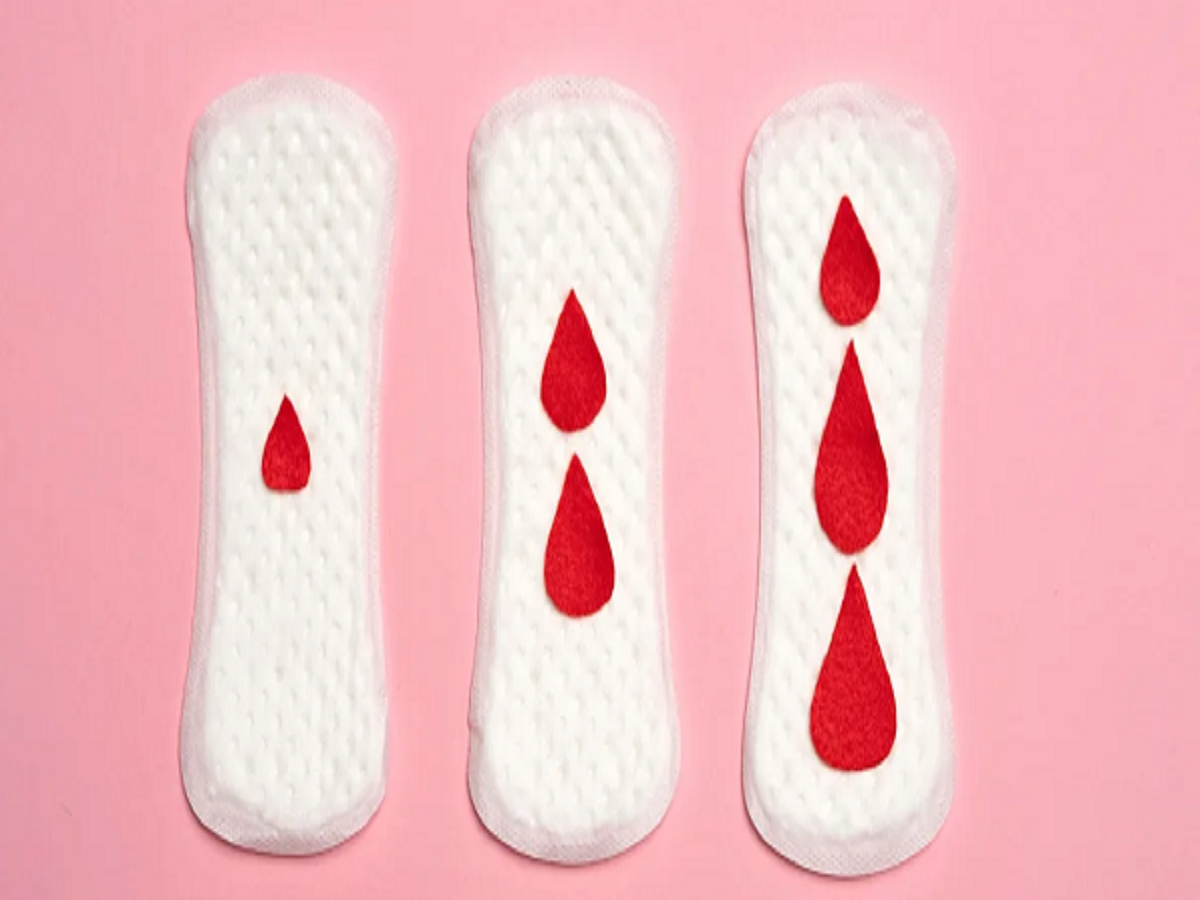
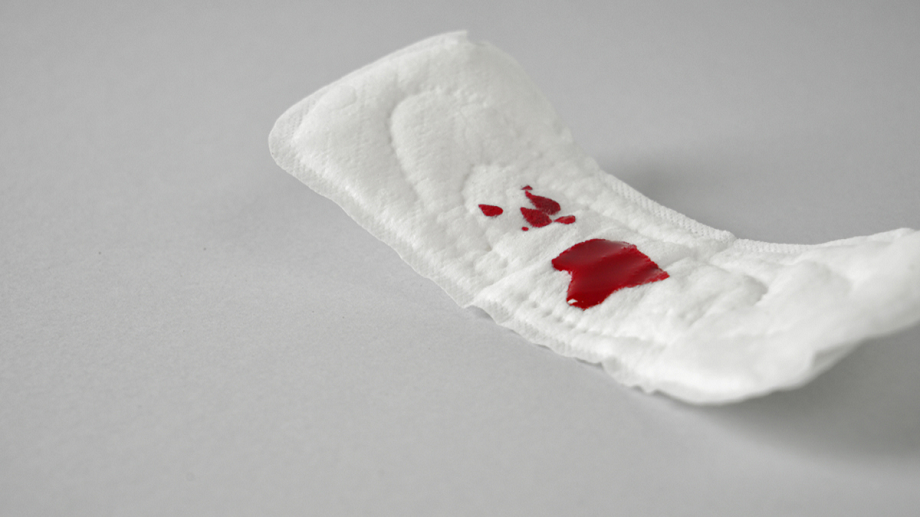
When your period flow is less or the bleeding stops within a day or two, girls often become happy about it. However, this isn't a cause for celebration, but rather a cause for concern. Excessive or light bleeding during your period is not healthy. If your period flow is less, it could be a serious medical condition. Let's learn more about this from a gynecologist.
It is very important for any woman's health that her periods come on time every month. Irregular periods, excessive or scanty flow, or excessive pain during these days are not good. Normally, periods should flow for 3-5 days and the period cycle should be of 28 days. If you notice any change in your period cycle or the flow suddenly becomes too less or too much, then this is a sign that something is wrong in your body. In fact, periods are a report card of your hormonal and reproductive health and if you understand the signs related to it, you will be able to know a lot about your health.
When there is less flow during periods, women often consider it a good sign or feel good about it, but is it really good? When we asked this question to a gynecologist, he said 'no' in response. He told that there can be many serious reasons behind less flow during periods. Experts say that a serious disease can also be the reason behind less flow, about which most women are not aware. Let us know about this from a doctor. Dr. Puneet Rana Arora, Director-Gynaecologist & IVF Expert, CIFAR, Gurugram is giving information about this.
This serious illness can be the reason for low flow in periods
- Experts say that genital TB is an often overlooked cause of low menstrual flow in women. It is a form of TB that affects reproductive organs such as the uterus, fallopian tubes, and ovaries.
- Sometimes its symptoms are very mild, so women ignore it thinking it to be a normal hormonal problem.
- Common signs include low menstrual flow, irregular periods, lower abdominal pain, and infertility. Sometimes, the symptoms are invisible, making it even more difficult to diagnose.
- The risk of genital TB is higher in women who have had TB before or whose immunity is weak.
- Genital TB damages the inner lining of the uterus, causing the flow of periods to reduce or sometimes stop completely.
- If not diagnosed and treated on time, it can seriously impact fertility and make it difficult to conceive.
- Doctors advise that if a woman has a prolonged period of light menstrual flow or difficulty conceiving, she should consult a doctor and get tested. Anti-TB medication, when administered at the right time, can be treated.
Image Credit: Freepik