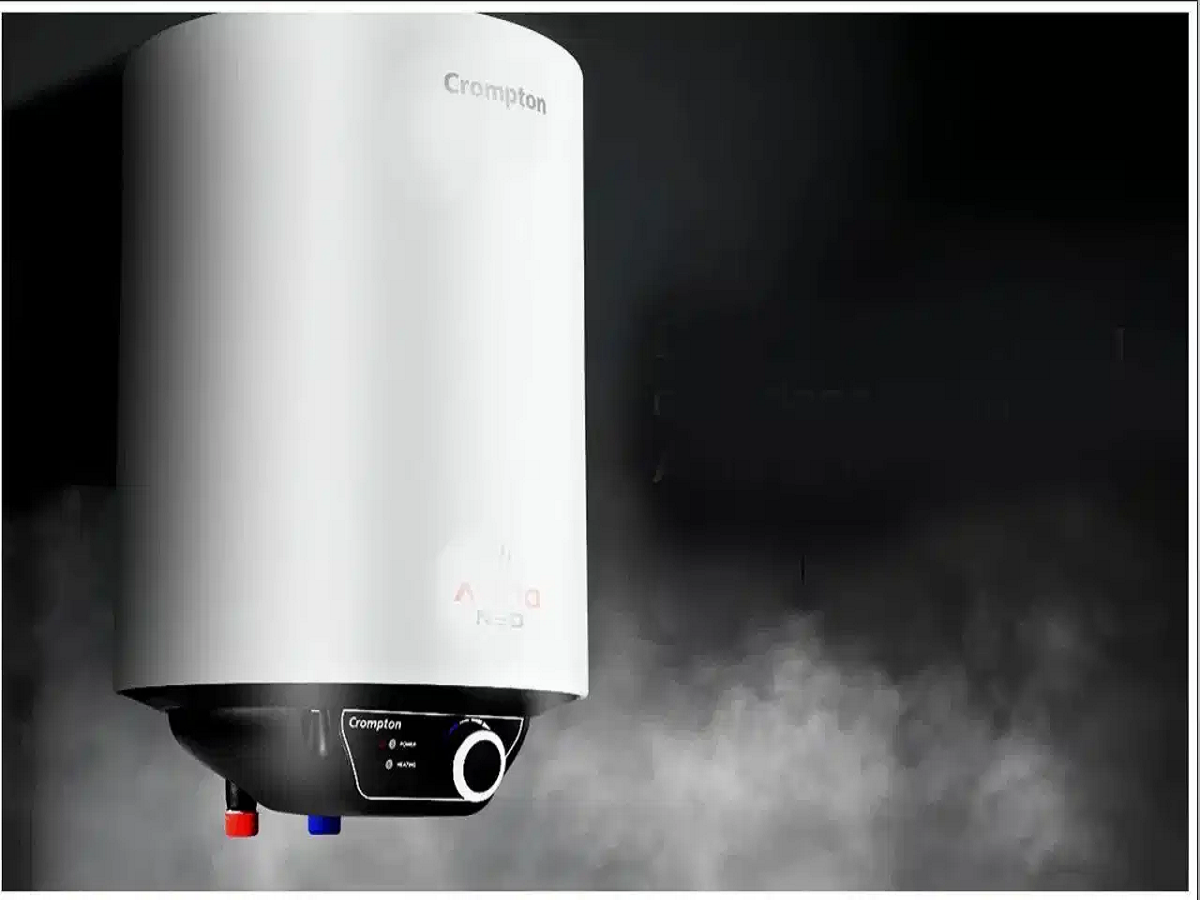
As winter approaches, geysers become an essential appliance in most households. Whether it is taking a hot shower in the morning or using warm water in the kitchen, people rely heavily on geysers during colder months.
However, an ageing geyser can develop problems without completely stopping its operation. In many cases, it gives several warning signs before a major breakdown occurs. Ignoring these symptoms could lead to unexpected repair expenses, water leakage or even electrical safety risks.
Identifying these signs early can help you decide whether your geyser needs servicing, repairs or complete replacement. Here are five important warning signs you should never ignore.
1. Water Leakage Around the Geyser
One of the most noticeable signs of a faulty geyser is repeated water accumulation around the appliance. If you regularly find water beneath the geyser or notice moisture around its tank, there could be an internal leak.
Over time, corrosion can weaken the tank's inner surface, eventually leading to cracks or holes. However, leakage does not always mean the tank is damaged. Loose pipe connections, faulty valves or drainage components can also cause water to escape.
It is important to get the geyser inspected by a qualified technician before the problem becomes more serious.
2. Hot Water Appears Yellow or Brown
If the water coming from your hot water tap starts looking yellow, brown or rusty while the cold water remains clear, your geyser may have an internal corrosion problem.
Storage geysers generally contain an anode rod that protects the inner tank from rusting. Over time, this rod gradually wears out and may need replacement.
If the water discolouration continues even after replacing the anode rod or servicing the appliance, the inner tank itself could be deteriorating. In such cases, professional inspection is necessary to determine whether replacement is required.
3. Unusual Popping or Rumbling Sounds
A geyser normally operates with very little noise. Therefore, unusual sounds such as popping, rumbling, banging or gurgling should not be ignored.
These noises can develop when minerals and other impurities present in water accumulate at the bottom of the storage tank. Over time, the deposits form a hard layer that interferes with the heating process.
As the heating element works, trapped water beneath these deposits can produce unusual sounds. Flushing and cleaning the tank may resolve the issue. However, if the noise continues after servicing, a technician should inspect the heating system and other internal components.
4. Water Takes Longer to Heat Up
Have you noticed that your geyser takes much longer to provide hot water than it used to? This could indicate that its heating performance is deteriorating.
Mineral deposits inside the tank can reduce heating efficiency. In electric geysers, a damaged heating element or faulty thermostat can also prevent water from reaching the desired temperature.
Another possibility is increased household demand. If more people are using the same geyser or multiple hot water connections are being used simultaneously, the available hot water may run out faster.
Before purchasing a replacement, get the appliance inspected to identify the actual cause.
5. Frequent Repairs and Increasing Maintenance Costs
If your geyser repeatedly develops problems and requires frequent repairs, replacing it may be more economical than continuing to spend money on maintenance.
The age of the appliance is also an important factor. Traditional storage geysers generally have an expected lifespan of around 10 to 15 years, while tankless models can last longer, sometimes exceeding 20 years with proper maintenance.
However, actual lifespan depends on factors such as water quality, usage patterns, installation and regular servicing.
If an older geyser continues to experience leakage, heating problems or component failures, investing in a new model may be a better long-term decision.
When Should You Replace Your Old Geyser?
Not every problem means you need to purchase a new geyser. Issues such as a faulty thermostat, worn-out anode rod or damaged heating element can often be repaired.
However, significant tank corrosion, repeated leakage and frequent breakdowns may indicate that replacement is necessary.
Most importantly, never ignore electrical warning signs such as shocks, burning smells, sparks or repeated circuit-breaker trips. Switch off the geyser's power supply if it is safe to do so and arrange an inspection by a qualified electrician or technician.
A little attention before winter can help prevent unexpected breakdowns and ensure a reliable hot water supply throughout the season.