AUTO
Is Your Car Key Vulnerable? Why Drivers Are Wrapping Their Fobs in Aluminum Foil to Foil Thieves
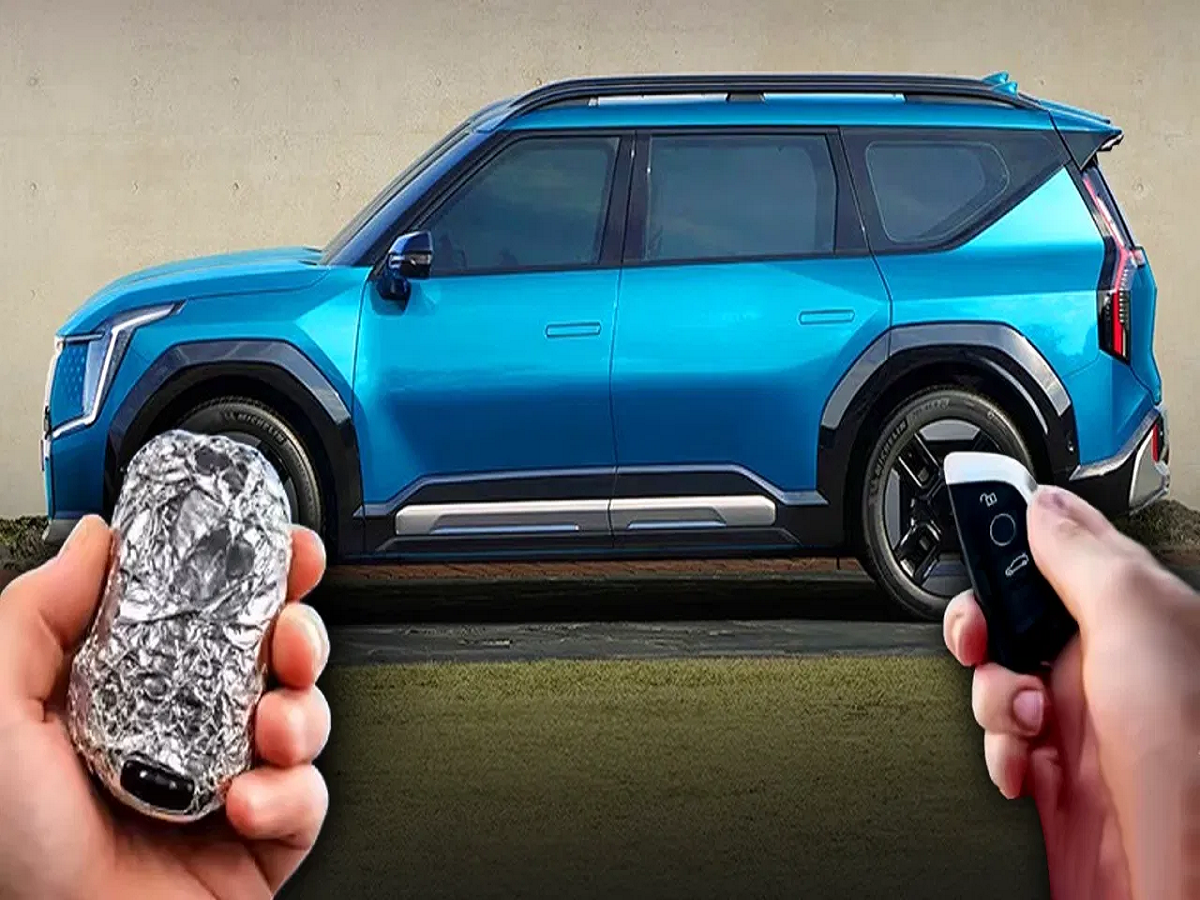
The convenience of keyless entry has revolutionized the way we interact with our vehicles. No more fumbling for keys in the rain—just stand near your car, and it recognizes you instantly. However, this same high-tech comfort has opened a new door for cyber-criminals. Across the US and Europe, a surge in high-tech car thefts has led savvy owners to a surprisingly low-tech solution: aluminum foil.
The "Relay Attack": How Thieves Steal Cars Without a Key
The very radio signals that make your car "smart" are being weaponized by thieves through a method known as a Relay Attack. Here’s how it works:
-
The Interception: Thieves use a pair of electronic devices to "sniff" out the signal from your key fob, even if it’s sitting safely on your kitchen counter.
-
The Relay: The first device captures the signal and transmits it to a second device held right next to your car.
-
The Theft: Your car is tricked into thinking the genuine key is right outside the door. Within seconds, the car unlocks and starts, allowing thieves to drive away without a scratch on the vehicle.
The Science of the Shield: The Faraday Cage Effect
Wrapping your keys in aluminum foil might seem like a conspiracy theory, but it’s actually based on the Faraday Cage principle.
-
Blocking the Signal: Metals like aluminum act as a conductive shield that prevents electromagnetic radio signals from escaping or entering.
-
Invisible Protection: When a fob is tightly wrapped, its wireless "heartbeat" is effectively silenced. Cyber-criminals cannot intercept what they cannot detect.
How to Test Your "Foil Shield"
You don’t need an engineering degree to see if this trick works:
-
Wrap your key fob securely in a layer of aluminum foil.
-
Walk up to your car and try to open the door or press the "Start" button.
-
If the car remains locked and unresponsive, the shield is working.
The Bottom Line
While it may feel a bit strange to keep your keys wrapped in kitchen foil, it is one of the most cost-effective ways to prevent a relay attack. For those looking for a more stylish option, many tech companies now sell "Faraday Pouches"—small, lined sleeves that do the exact same thing as the foil.