The way people consume entertainment is undergoing a dramatic transformation. There was a time when evenings in Indian households meant switching on the television for daily soaps, news, or reality shows. Over the years, that habit shifted toward on-demand streaming platforms like Netflix and Amazon Prime Video, giving viewers the freedom to watch content anytime, anywhere.
But the evolution of entertainment hasn’t stopped there. A new trend is rapidly gaining momentum—ultra-short content, where entire movies and series are condensed into just a few minutes. This shift is now raising a big question: are traditional TV and even OTT platforms facing a new kind of disruption?
From TV to OTT… and Now to Short Content
The transition from television to OTT platforms was driven by convenience and control. Viewers no longer wanted to follow fixed schedules—they preferred streaming content on demand.
However, the next shift is being driven by time constraints and changing attention spans. Today’s audience, especially younger viewers, prefers quick, engaging content that fits into their busy lifestyles.
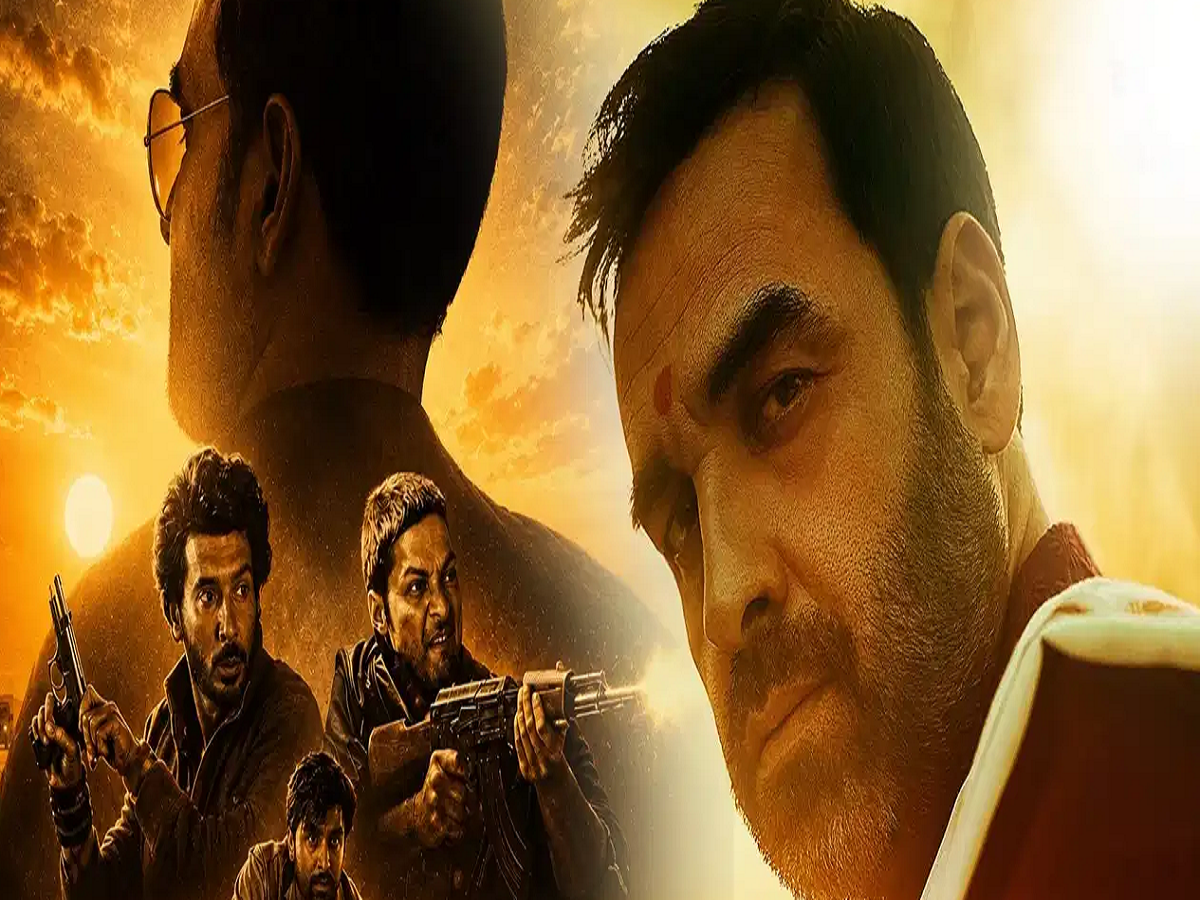
This is where 3-minute content formats are gaining popularity. Instead of watching a 2–3 hour film or a long web series, users are now consuming bite-sized versions that deliver the essence of the story in minutes.
Why Is Short Content Becoming Popular?
Several factors are fueling this trend:
1. Shorter Attention Spans
With constant exposure to social media and fast-scrolling platforms, audiences now prefer quick entertainment rather than long narratives.
2. Mobile-First Consumption
Most users consume content on smartphones. Short videos are more convenient to watch during breaks, commutes, or downtime.
3. Instant Gratification
Viewers want immediate engagement and quick storytelling, which short content delivers effectively.
A New Player in the Market
Amid this shift, a new entrant—JioStar—is reportedly preparing to tap into this growing segment. Backed by business magnate Mukesh Ambani, this move could reshape the entertainment landscape once again.
After disrupting telecom and streaming markets in the past, this new venture may focus heavily on short-format content, potentially accelerating the adoption of this trend across India.
Is This a Threat to OTT Giants?
The rise of short content does raise concerns for established platforms like Netflix and Amazon Prime Video. However, experts believe this is not necessarily the end of OTT platforms.
Instead, the industry may evolve into a multi-format ecosystem, where:
- Long-form content (movies, series) continues for deep storytelling
- Short-form content caters to quick entertainment needs
OTT platforms themselves may adapt by introducing shorter formats, highlights, or recap-based content to retain users.
Changing Viewer Behavior
The biggest shift is not just in content format but in viewer behavior. Audiences are becoming more selective and time-conscious. They want flexibility, variety, and control over how much time they spend on entertainment.
This means:
- Binge-watching may reduce for some users
- Quick content consumption will increase
- Hybrid viewing habits will become common
What Lies Ahead?
The entertainment industry is clearly entering a new phase of competition—one where content length, format, and delivery matter as much as storytelling.
Rather than replacing TV or OTT, short content is likely to coexist and reshape the ecosystem. Platforms that adapt quickly to these changing preferences will have a competitive edge.
TV may have lost its dominance, and OTT transformed viewing habits—but now, short-form content is rewriting the rules once again. The rise of 3-minute entertainment signals a deeper shift in how audiences engage with content.
Whether this trend will dominate the future or simply complement existing formats remains to be seen. But one thing is certain—the battle for viewers’ attention has never been more intense.