The situation in Iran continues to escalate as nationwide protests, now stretching beyond two weeks, have resulted in a sharp rise in casualties. According to human rights groups, the death toll linked to the ongoing demonstrations has climbed to at least 599, intensifying international concern and diplomatic pressure. Amid this unrest, former US President Donald Trump has claimed that Iran, under mounting pressure, is now willing to return to the negotiating table, with Oman emerging as a key mediator between Washington and Tehran.
Protests Enter Third Week Amid Rising Casualties
Human rights activists report that protests across Iran—sparked primarily by economic hardship, inflation, and currency devaluation—have turned increasingly violent. The US-based Human Rights Activists News Agency (HRANA) estimates that among the 599 deaths, 510 were protesters while 89 were members of security forces. In addition, more than 10,600 people have reportedly been detained over the past two weeks.
Independent verification of these figures remains difficult due to widespread internet shutdowns and communication restrictions imposed by Iranian authorities. International news agencies, including the Associated Press, have stated that they are unable to independently confirm the death toll, as the Iranian government has not released official numbers.
Trump Claims Iran Is Seeking Dialogue
Speaking to reporters, Donald Trump stated that Iran is “tired of being hit” and now wants to engage in talks with the United States. His comments followed warnings from Washington about possible action against Tehran over its handling of protesters. Trump’s remarks came shortly after a visit to Iran by Oman’s foreign minister, reinforcing speculation that backchannel diplomacy may be underway.
Oman has historically played a quiet but influential role as an intermediary between the US and Iran, particularly during periods of heightened tension. While Trump’s statements suggest movement toward dialogue, Tehran has not officially confirmed any such readiness.
Iran Responds: Situation ‘Under Control’
Iranian Foreign Minister Abbas Araghchi, addressing foreign diplomats in Tehran, insisted that the situation within the country is “completely under control.” He accused the United States and Israel of fueling unrest, claiming the violence was orchestrated to give Washington a pretext to intervene. However, no concrete evidence was provided to support these allegations.
Despite his strong rhetoric, Araghchi also emphasized that Iran remains open to diplomacy. Echoing this stance, Iranian Foreign Ministry spokesperson Esmaeil Baghaei said that dialogue with the US is possible, but only if it is based on mutual respect and recognition of Iran’s interests, rather than pressure or unilateral demands.
Al Jazeera Granted Rare Reporting Access
In a notable development, Qatar-based Al Jazeera has been granted permission to report from inside Iran, even as internet services remain severely restricted. The network broadcast Araghchi’s statements, making it one of the few international outlets with on-ground access during the communication blackout. This has raised questions about controlled information flow and selective media access amid the crisis.
Pro-Government Rallies Held Nationwide
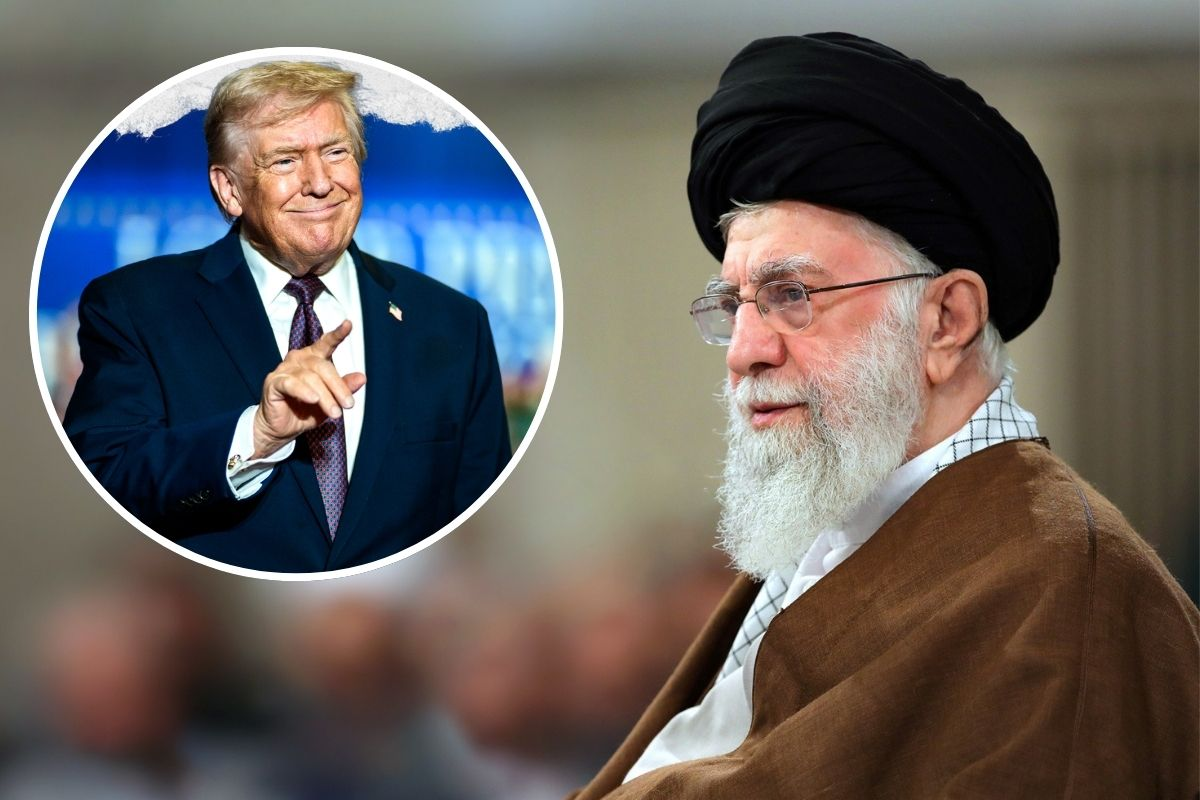
Alongside anti-government demonstrations, large pro-government rallies were held after authorities called supporters onto the streets. State television showed massive crowds chanting slogans against the US and Israel, framing the rallies as a show of strength in support of Iran’s religious leadership, including Supreme Leader Ayatollah Ali Khamenei.
Government-controlled media described these gatherings as a “popular uprising against American-Israeli terrorism,” positioning them as a response to protests challenging the current regime.
US Weighs Tough Options
Meanwhile, reports from individuals familiar with internal White House discussions suggest that US officials are considering several options against Iran, including cyber operations and potential military action by the US or Israel. Speaking aboard Air Force One, Trump confirmed that “very tough options” are under review.
He also warned that any retaliatory move by Iran would be met with an unprecedented response. However, Trump indicated that his administration was still exploring the possibility of talks, even as arrests and deaths continue to rise.
Information Blackout Deepens Uncertainty
The prolonged internet shutdown has made it increasingly difficult to assess the real situation on the ground. Analysts fear that limited information access may embolden hardline elements within security forces to intensify crackdowns. Despite restrictions, videos circulating online show continued protests in Tehran and other major cities, some of which have been indirectly acknowledged by Iranian officials through state media.
Residents in Tehran reported receiving official warnings urging families to keep young people indoors, citing alleged threats from armed groups and warning of decisive government action.
A Crisis at a Crossroads
As Iran faces growing domestic unrest and mounting international scrutiny, the coming days could prove decisive. Whether diplomatic efforts mediated by Oman gain traction or the crisis spirals into further confrontation remains uncertain. What is clear, however, is that the human cost of the unrest continues to rise, placing Iran’s leadership and the global community under increasing pressure to find a way forward.