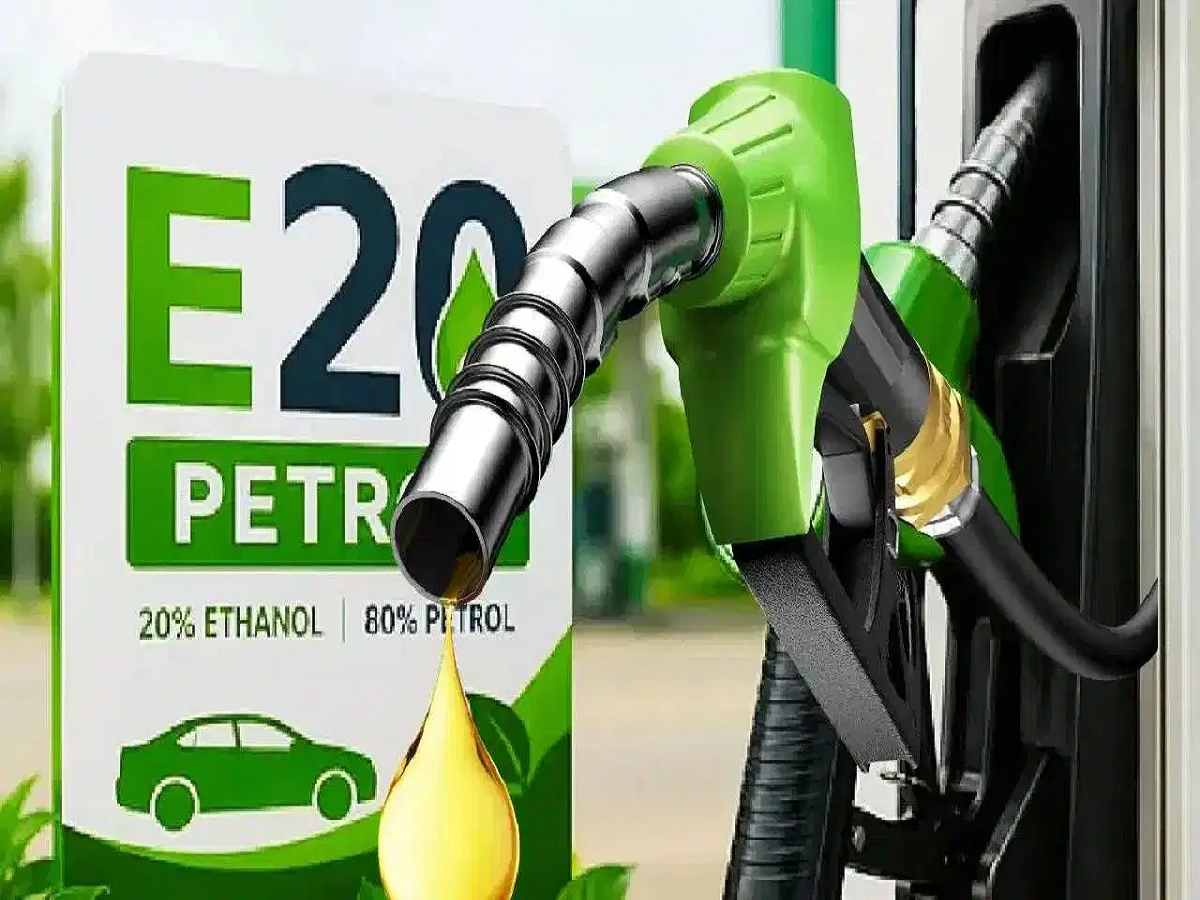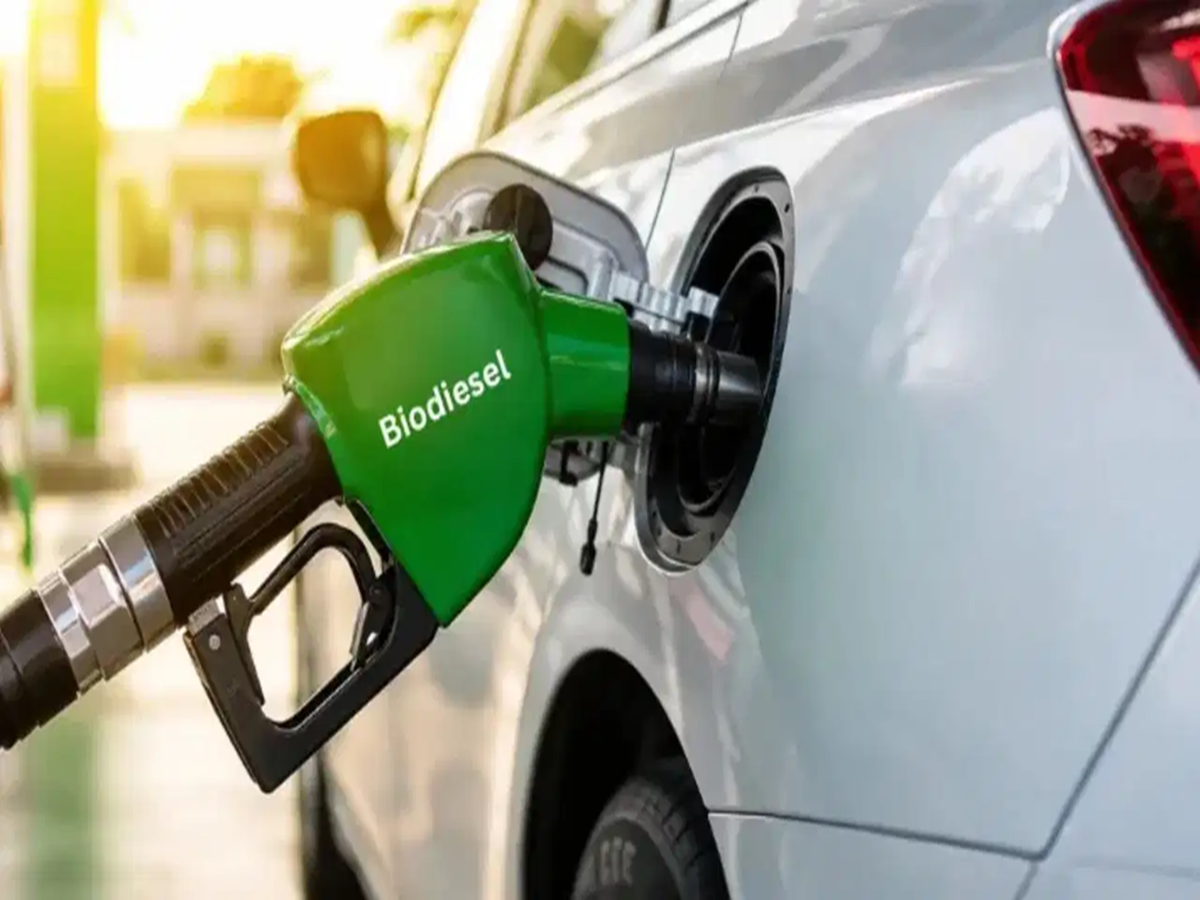
Indonesia has taken a major step toward cleaner and more self-reliant energy use by moving to mandate a 50% palm oil-based biodiesel blend in diesel, commonly referred to as B50. This ambitious policy has sparked global attention, especially as countries like India are also pushing biofuel programs such as higher ethanol blending in petrol.
The new rule will require oil companies in Indonesia to produce higher-quality biodiesel made from palm oil. This includes improving fuel stability by reducing water content and ensuring the fuel lasts longer without degradation. However, the rollout is not entirely smooth yet, as authorities are still finalizing supply quotas and distribution planning, creating some uncertainty in the short term.
To manage transition pressures, the government has allowed clearance of older B40 biodiesel stock so fuel supply chains are not disrupted. Industry groups say the older system will continue operating alongside the new one until full implementation of B50 is achieved.
According to official data, Indonesia supplied about 4.61 million kiloliters of B40 biodiesel between January and April. The full-year target was 15.64 million kiloliters, but demand is now expected to rise further. If B50 is fully implemented, annual biodiesel consumption could reach over 20 million kiloliters. With a phased transition this year, estimates suggest total demand may settle around 17.6 million kiloliters.
The policy comes at a time when energy markets are shifting. It was introduced during a period of high global crude oil prices due to geopolitical tensions, with expectations that B50 could save Indonesia a massive amount in fuel import costs. However, recent easing of tensions has pushed crude oil prices down, while palm oil prices have risen due to expected domestic demand growth.
Despite market fluctuations, Indonesia’s biodiesel expansion is being seen as a bold long-term move. If successful, it could reduce dependence on imported crude oil, support local palm farmers, and strengthen the country’s push toward cleaner and more sustainable fuel alternatives.