AUTO
India's Car Market Is Changing: Petrol's Share Falls as CNG, Hybrid and Electric Vehicles Gain Ground
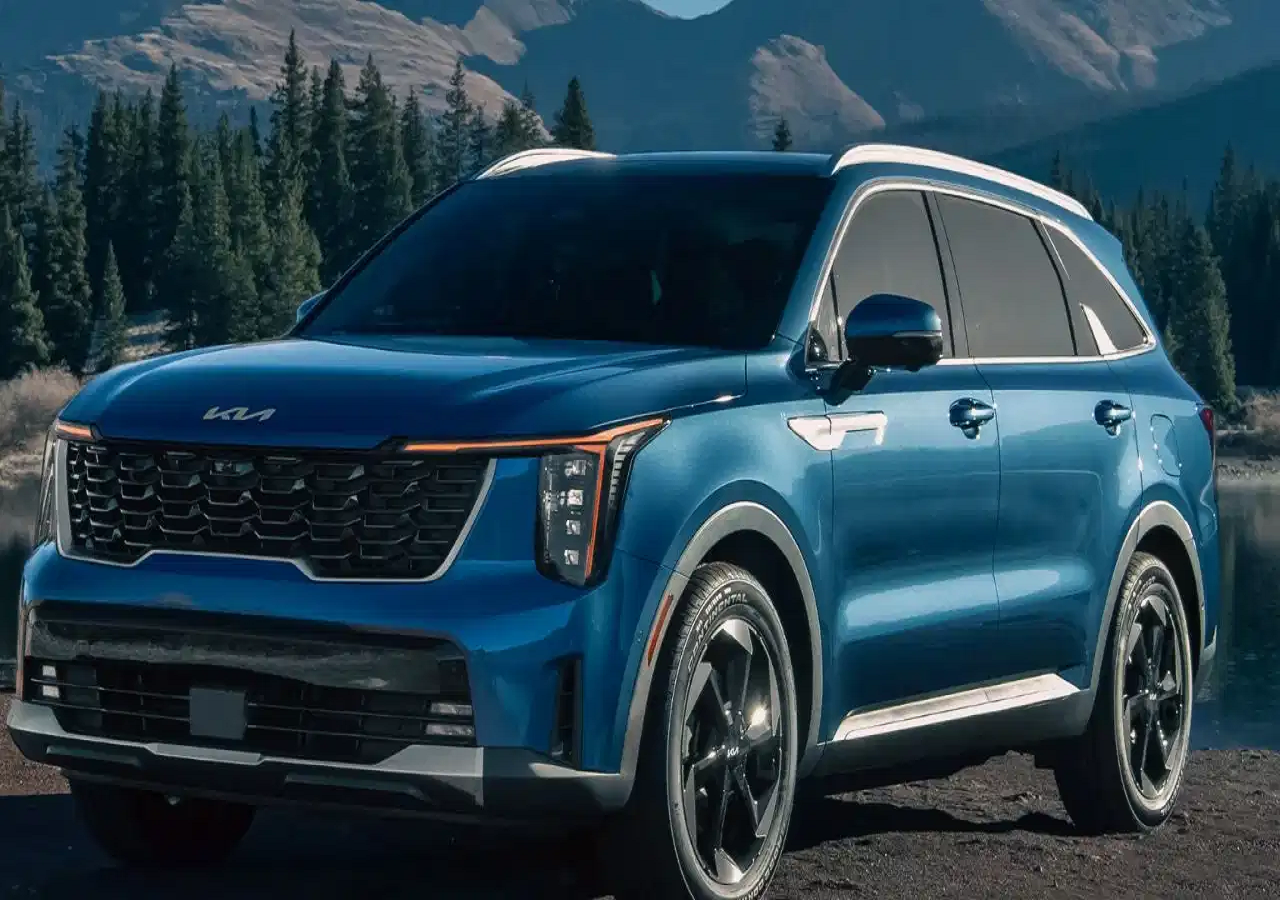
India's passenger vehicle market is undergoing a significant shift as buyers increasingly consider alternatives to conventional petrol-powered cars. Compressed natural gas (CNG), hybrid vehicles, and electric vehicles (EVs) are gaining market share, reflecting changing consumer preferences, concerns about running costs, and the growing availability of alternative powertrains.
According to data attributed to the Federation of Automobile Dealers Associations (FADA), the share of petrol and ethanol-powered cars declined between April and September 2026. Meanwhile, the combined market share of CNG, LPG, hybrid, and electric vehicles increased, bringing the two groups to nearly equal levels.
The trend suggests that Indian car buyers are increasingly evaluating vehicles based on fuel efficiency, ownership costs, driving requirements, and environmental considerations rather than relying exclusively on traditional petrol and diesel options.
Petrol Cars Lose Market Share as Alternatives Gain Momentum
The reported figures show that petrol and ethanol-powered cars accounted for 45.95% of the passenger vehicle market in April 2026. Their share subsequently declined to 45.76% in May, 43.63% in June, 41.68% in July, and 40.85% in August before recovering slightly to 41.27% in September.
Despite the September improvement, the share remained below the 47.18% recorded in September 2025.
Meanwhile, the combined share of CNG, LPG, hybrid, and electric vehicles increased from 36.66% in April to nearly 41% in September.
This change does not necessarily mean that petrol car sales are falling in absolute terms. Market share can decline even when sales increase if competing vehicle categories grow more quickly.
The trend instead highlights the increasing popularity of alternative technologies in India's passenger vehicle market.
Why Are Buyers Exploring Alternatives to Petrol Cars?
Running costs are an important consideration for many Indian households when purchasing a vehicle. Petrol prices, daily commuting distances, and long-term ownership expenses can influence the decision between different powertrains.
CNG vehicles appeal to customers looking for lower fuel expenses, particularly those who drive frequently. Hybrid cars combine an internal combustion engine with electric assistance, potentially improving fuel efficiency without requiring regular external charging in conventional hybrid models.
Electric vehicles offer another alternative, with the potential for lower running and maintenance costs under suitable usage conditions. However, purchase price, charging access, battery warranty, and resale value remain important considerations.
According to the figures cited in the report, FADA CEO Saharsh Damani noted that alternative technologies were growing faster than the overall market. The reported July growth rates included approximately 4% for petrol vehicles, 19% for the overall market, 38% for CNG vehicles, and more than 80% for electric vehicles.
These figures illustrate how faster growth in alternative-fuel categories can change the overall market composition.
CNG, Hybrid and Electric Cars Gain Ground
The reported market-share figures for September 2026 highlight the growing presence of alternative powertrains.
CNG and LPG vehicles: Their combined share increased from 22.62% in April to 23.11% in September, although it had reached 25.28% in August. These vehicles can be attractive to drivers seeking economical everyday transportation, particularly where refuelling infrastructure is readily available.
Hybrid vehicles: Their market share rose from 8.27% in April to 9.44% in September. This was higher than the 7.30% recorded in September 2025. Hybrids offer an option for buyers who want improved fuel efficiency without depending entirely on public charging infrastructure.
Electric vehicles: Their share increased from 5.77% in April to 8.45% in September 2026. In September 2025, the reported share was 5.74%. The increase points towards growing consumer interest in electric mobility, supported by expanding model choices and improvements in charging infrastructure.
Diesel vehicles: Their reported market share remained relatively stable at 17.76% over the preceding 12 months, indicating that diesel continues to serve specific customer requirements despite the growth of alternative powertrains.
Together, these trends show that the market is diversifying rather than moving uniformly towards a single technology.
Automakers Are Expanding Their Powertrain Options
As consumer preferences evolve, automobile manufacturers are increasingly offering multiple powertrain choices across their portfolios.
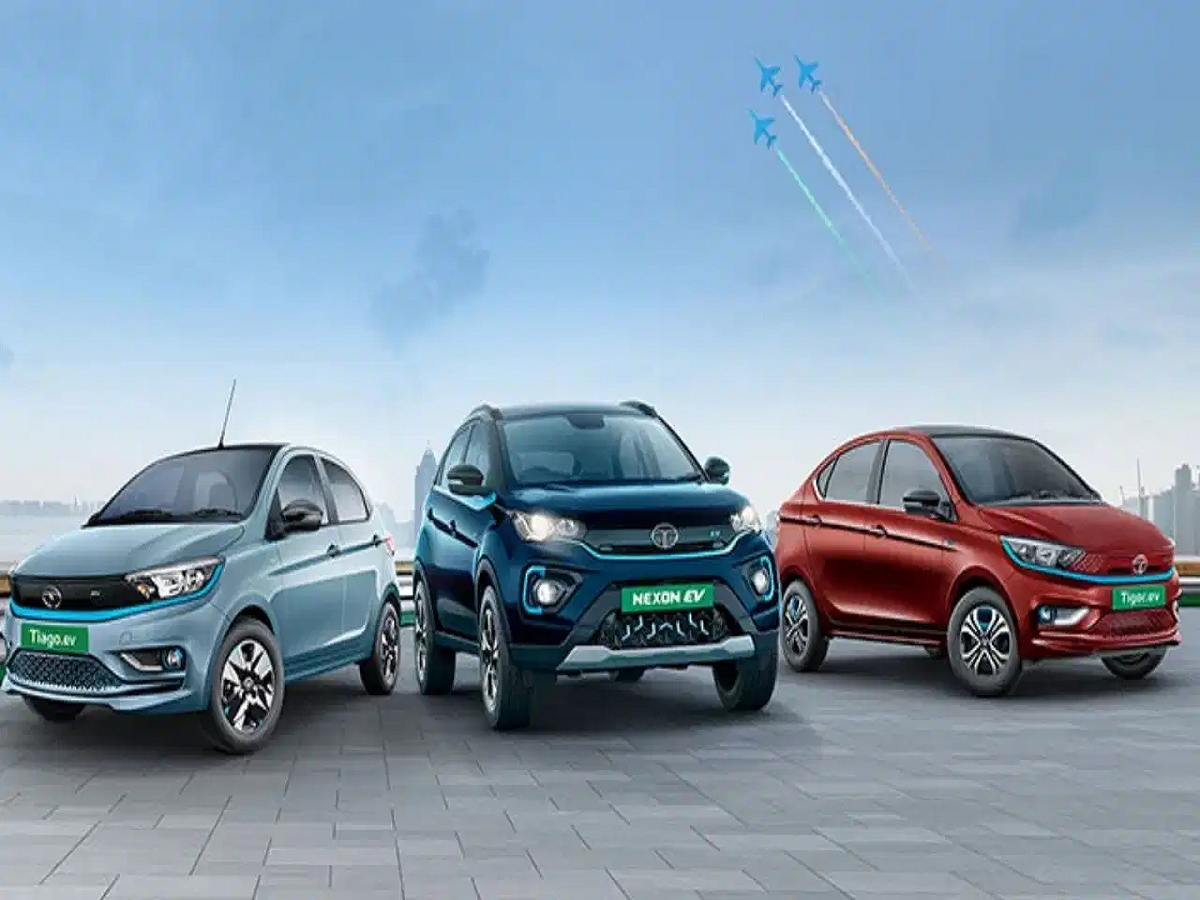
Maruti Suzuki has been expanding its electric vehicle plans while continuing to develop technologies for conventional and alternative-fuel vehicles. Tata Motors is also pursuing a multi-powertrain strategy, with petrol, diesel, CNG, and electric options across its broader vehicle portfolio.
Mahindra is expanding its electric SUV range while retaining diesel-powered models for customers who prefer them. Hyundai and Kia are also working to strengthen their electric vehicle offerings and local manufacturing capabilities.
This approach allows manufacturers to address different customer needs, from affordable city commuting to long-distance driving and premium electric mobility.
Rather than relying on one technology, automakers are adapting their strategies to reflect differences in infrastructure, affordability, driving habits, and consumer expectations across India.
Which Powertrain Makes the Most Sense for Buyers?
The growing range of options means that buyers need to evaluate vehicles according to their individual requirements.
-
Petrol: Can suit buyers with moderate driving distances who want a familiar ownership experience and a wide choice of models.
-
CNG: May be suitable for high-mileage users who have convenient access to CNG stations and can accommodate any boot-space limitations.
-
Hybrid: Can be attractive to drivers seeking better fuel efficiency without relying on external charging.
-
Electric: May offer lower running costs for people with suitable home or workplace charging and predictable driving requirements.
-
Diesel: Can remain relevant for certain long-distance and high-mileage applications, depending on the vehicle, local regulations, and ownership costs.
The most economical choice depends on the vehicle's purchase price, fuel or electricity costs, annual kilometres driven, maintenance, insurance, financing, and resale value.
Will This Trend Continue?
The coming months, including the festive buying season, could provide further insight into whether alternative powertrains continue to gain ground.
Factors such as new vehicle launches, financing offers, fuel prices, charging infrastructure, government policies, and consumer confidence will influence future demand.
It is also important to distinguish between market share and actual sales volumes. A growing share indicates that a category is becoming more prominent relative to the overall market, but it does not automatically mean that every competing category is selling fewer vehicles.
The Bottom Line
India's passenger vehicle market is becoming increasingly diverse as CNG, hybrid, and electric cars gain ground alongside established petrol and diesel models.
The reported September 2026 figures show that the combined share of alternative-fuel vehicles has moved close to that of petrol and ethanol-powered cars. This reflects changing consumer priorities and the industry's efforts to offer more choices.
The long-term winner may not be a single powertrain. Instead, India's automotive market could continue to accommodate multiple technologies, with buyers choosing vehicles according to affordability, convenience, fuel efficiency, infrastructure, and their everyday driving needs.