BUSINESS
If you don't get HRA, don't worry! Get a tax deduction on rent under this section of the Income Tax Act
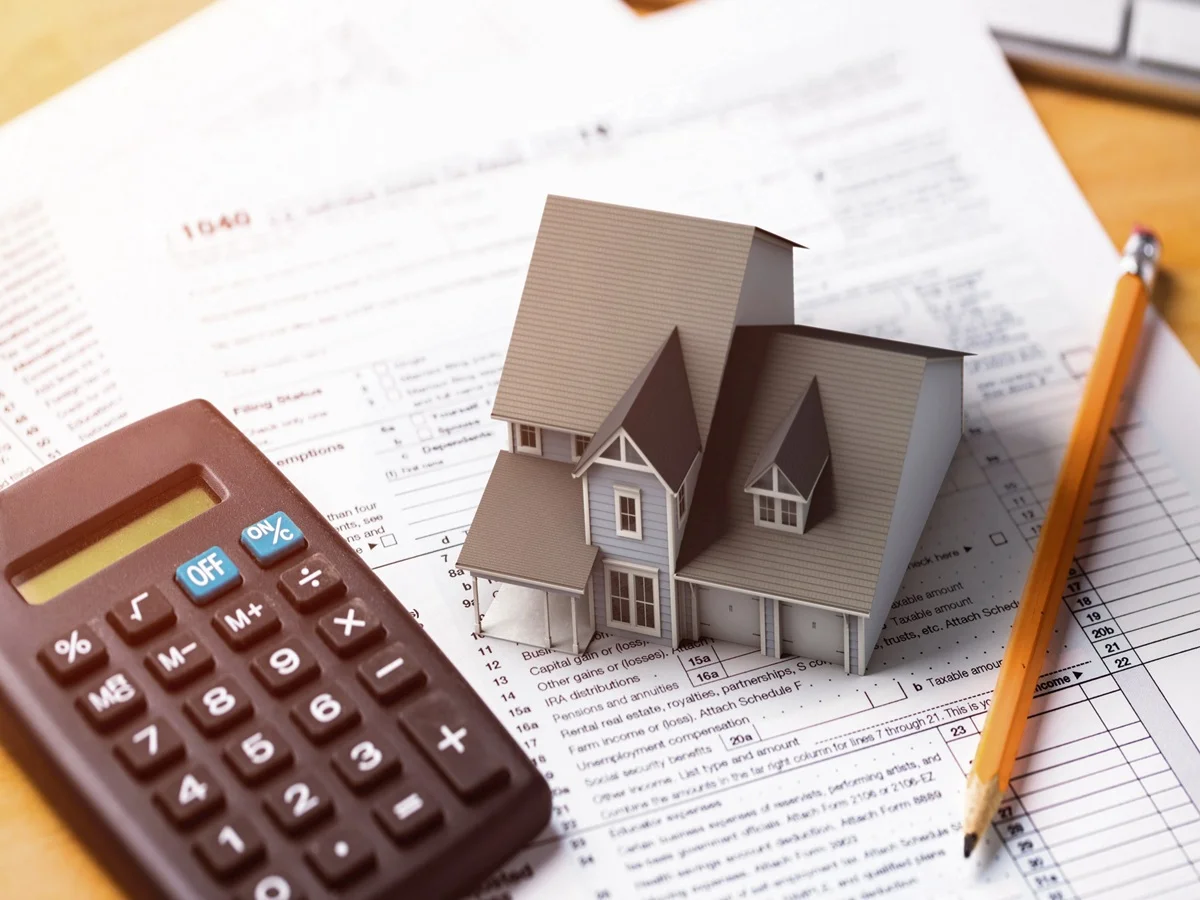
For those who live in rented homes but don't qualify for HRA, there's a rule that's very beneficial for taxpayers. Technically, to qualify for this benefit, the taxpayer must not own a home in their own name or in the family's name in the city. This tax deduction can be claimed directly by submitting Form 10BA on the online portal before filing your ITR.
A large number of people in India live in rented homes away from home for their jobs or business purposes. When it comes to tax savings, it's generally believed that only those whose salaries include a House Rent Allowance (HRA) can avail of tax relief on house rent. Because of this, many self-employed individuals and salaried employees are unable to take advantage of this benefit. However, there's an income tax rule that allows even tenants who don't have an HRA to save thousands of rupees in tax each year.
Section
134 is a special provision under the Income Tax Act. This section is specifically designed for individuals who live in rented accommodation but do not receive any HRA from their employer. This provision can be used by both salaried individuals and those who are self-employed or have businesses in the country.
The government has established certain clear and important conditions to meet in order to qualify for
this tax deduction. The first requirement is that you must not have received any HRA from your employer during the financial year. Secondly, you, your spouse, your minor children, or your Hindu Undivided Family (HUF) must not own any residential property in the city.
How much will you save in a year?
There is a limit on the deduction available under Section 134. The deduction is calculated based on three parameters, and the lowest of these will be eligible for tax deduction.
First condition: The total rent paid by you, from which 10% of your total income is deducted.
Second condition: Fixed limit of Rs 5,000 per month, which can go up to a maximum of Rs 60,000 on an annual basis?
Third condition: 25% of the taxpayer's total annual income
After calculating these three options, you can claim the lowest amount as a deduction in your tax return.
Keep these documents ready before claiming
As per the tax department's rules, to avail this exemption, it is necessary to file a declaration in Form 31 as per the Income Tax Rules. Additionally, taxpayers must have rent receipts from the landlord, a valid rent agreement, and a digital certificate of the bank transfer. If your annual rent exceeds ₹1 lakh, it is necessary to provide the landlord's PAN number while filing the income tax return.
PC: Mint