Keeping cool in homes, offices, and malls has become essential—but the cost is high. Skyrocketing electricity bills, added pressure on power grids, and environmental damage are the price we pay for air conditioning. Cooling alone accounts for a large portion of global electricity use, contributing to climate change.
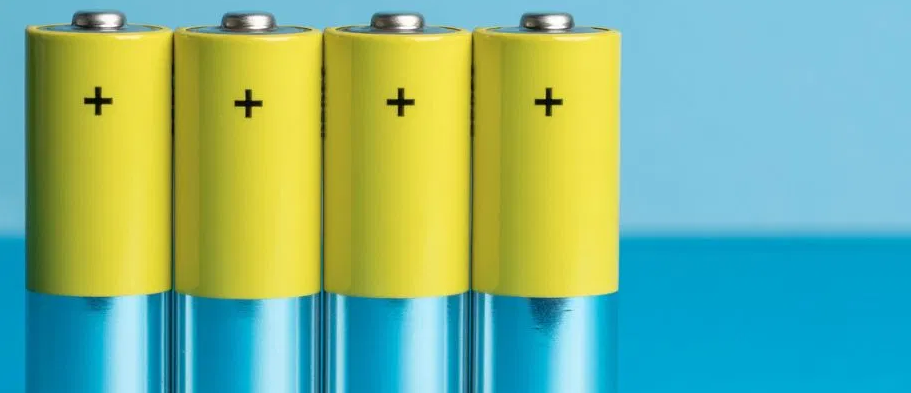
But now, a promising solution called ice batteries is emerging. This technology stores energy at night by making ice and uses it to cool buildings during the day, cutting costs and reducing environmental impact.
Why Ice Batteries Are a Game Changer
-
Big Savings: According to the International Energy Agency, cooling accounts for 20% of a building’s electricity use. Ice batteries can reduce these costs by up to one-third.
-
Better for the Environment: During peak summer, power companies rely on expensive, polluting peaker plants. Ice batteries ease this load, reducing emissions and environmental damage.
-
Durable and Low Maintenance: Unlike lithium-ion batteries, ice batteries don’t degrade chemically. Ice can be frozen and melted repeatedly; only pumps and valves require upkeep.
-
Cost-Effective: Over time, ice batteries can operate at half the cost of traditional lithium batteries.
Real-World Adoption
-
New York: A bank building uses 100 tank-sized units to produce enough ice each night to make 3 million margheritas—enough to cool the building during the day.
-
California: Nostromo Energy plans to deploy ice batteries in 193 buildings. Companies like Trane Technologies claim savings of up to 40% on cooling costs.
Innovations for Sustainability
Researchers at Texas A&M University are improving ice battery technology by using salt hydrates to prevent phase segregation, a common issue where salt and water separate. Adding barium improves freezing efficiency, making ice batteries more durable and compatible with HVAC systems.
Challenges for Homes and Small Buildings
So far, ice batteries have mostly been used in large office towers, hospitals, and hotels. Smaller models, like Ice Bear and Ice Cube, are now available for homes and small shops. However:
-
In cooler regions, AC demand is low, so savings are limited.
-
If electricity prices are constant throughout the day, ice batteries may not offer financial benefits.
Ice batteries represent a promising step toward cheaper, greener, and more efficient cooling, potentially transforming how we power our air conditioners in the future.