LIFESTYLE
How Much Protein Does Your Body Need Every Day? Check the Right Intake Based on Your Age and Weight
Protein is one of the most important nutrients required by the human body. While many people associate protein mainly with muscle building and weight loss, its role goes far beyond fitness. It supports tissue repair, immunity, hormone production, enzyme formation and overall growth.
However, many people remain confused about how much protein they should consume daily. Protein requirements differ according to age, body weight, physical activity and health conditions. Understanding these requirements can help you plan a balanced diet and avoid nutritional deficiencies.
1. Why Is Protein Essential for the Human Body?
According to nutritionist Geetika Chopra, protein is not just necessary for building muscles. It also plays an important role in repairing damaged tissues, supporting immunity and producing essential hormones and enzymes.
Children require protein for growth and development, while teenagers need it during puberty for the development of muscles, bones and other tissues. Adults need sufficient protein to maintain muscle mass and support everyday bodily functions.
Protein also becomes particularly important with increasing age because the body gradually loses muscle mass and strength.
2. Daily Protein Requirement According to Age
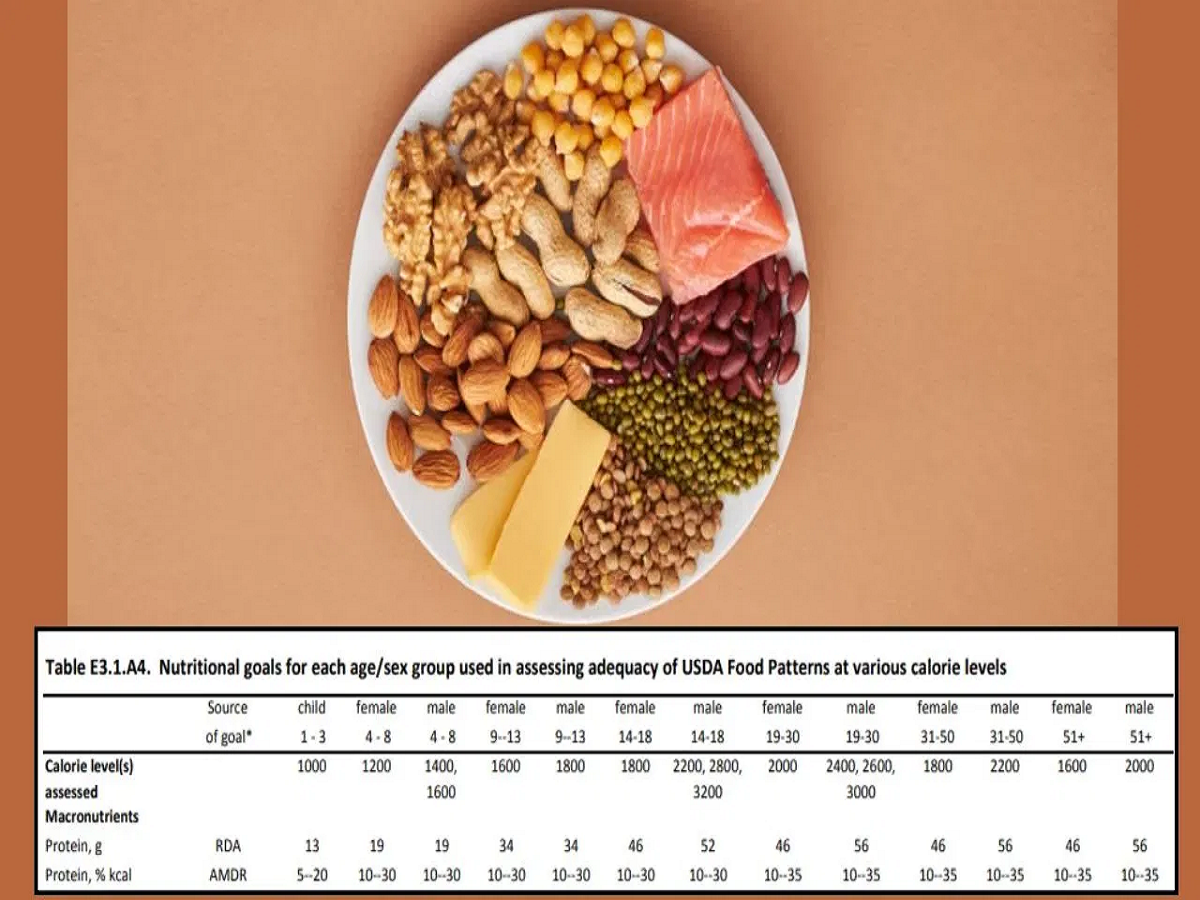
Protein requirements vary throughout life. For a healthy adult, the general recommended minimum intake is approximately 0.8 grams per kilogram of body weight per day.
For example, an adult weighing 60 kg would require approximately 48 grams of protein daily under this guideline.
Older adults may benefit from higher protein intake to help maintain muscle mass, particularly when combined with regular physical activity. Depending on their health and nutritional requirements, 1–1.2 grams per kilogram of body weight may be appropriate.
Pregnant and breastfeeding women also have increased nutritional requirements. Protein intake during these stages should be planned according to individual needs and medical advice.
3. What Factors Determine Your Daily Protein Requirement?
Your protein requirement cannot be decided by age alone. Several factors influence how much protein your body needs.
-
Body weight: People with higher body weight generally require more protein, although the calculation may need adjustment in cases of obesity.
-
Physical activity: People involved in regular exercise, sports and strength training may require additional protein.
-
Age: Children, teenagers, adults and older individuals have different nutritional requirements.
-
Health conditions: Certain medical conditions can increase or restrict protein requirements, particularly kidney and liver-related conditions.
-
Lifestyle: Daily activity levels, recovery needs and overall dietary habits also influence protein requirements.
4. Best Sources of Protein for Your Daily Diet
You do not necessarily need expensive protein supplements to meet your daily requirements. Several commonly available Indian foods provide good amounts of protein.
Some useful options include:
-
Dairy products: Milk, paneer, curd and Greek yoghurt.
-
Pulses and legumes: Dal, chickpeas, kidney beans and black chana.
-
Soy products: Soybeans, tofu and soya chunks.
-
Animal-based foods: Eggs, chicken and fish.
-
Nuts and seeds: Almonds, peanuts, pumpkin seeds and sunflower seeds.
Combining different plant-based protein sources throughout the day can also help provide a variety of essential amino acids.
5. Should You Consume Protein in Every Meal?
Distributing protein intake across breakfast, lunch and dinner is a practical way to meet your daily nutritional requirements.
For example, you can include eggs or milk in breakfast, dal and curd with lunch, and paneer, tofu, chicken or another protein-rich food at dinner.
People who exercise regularly can also include a protein-rich snack after their workout. Consuming adequate protein throughout the day supports muscle repair and recovery.
6. Are Protein Supplements Necessary?
Protein supplements are not compulsory for everyone. If you can meet your daily requirements through regular food, there is generally no need to purchase additional supplements.
However, people who struggle to consume sufficient protein through meals may consider products such as whey protein after assessing their dietary requirements. Individuals with kidney disease or other medical conditions should consult a healthcare professional before increasing protein intake or using supplements.
How Much Protein Should You Actually Eat Daily?
Protein requirements depend on your body weight, age, activity level and health status. While 0.8 grams per kilogram is a general minimum recommendation for healthy adults, people involved in regular strength training may need considerably more.
The most important thing is to include protein-rich foods in your everyday diet rather than focusing only on supplements. Adequate protein intake, combined with regular exercise and a balanced diet, can support muscle health, recovery and overall well-being.