BUSINESS
Government’s New Pension Scheme Update: Children with Disabilities May Also Qualify as Eligibility Rules Change
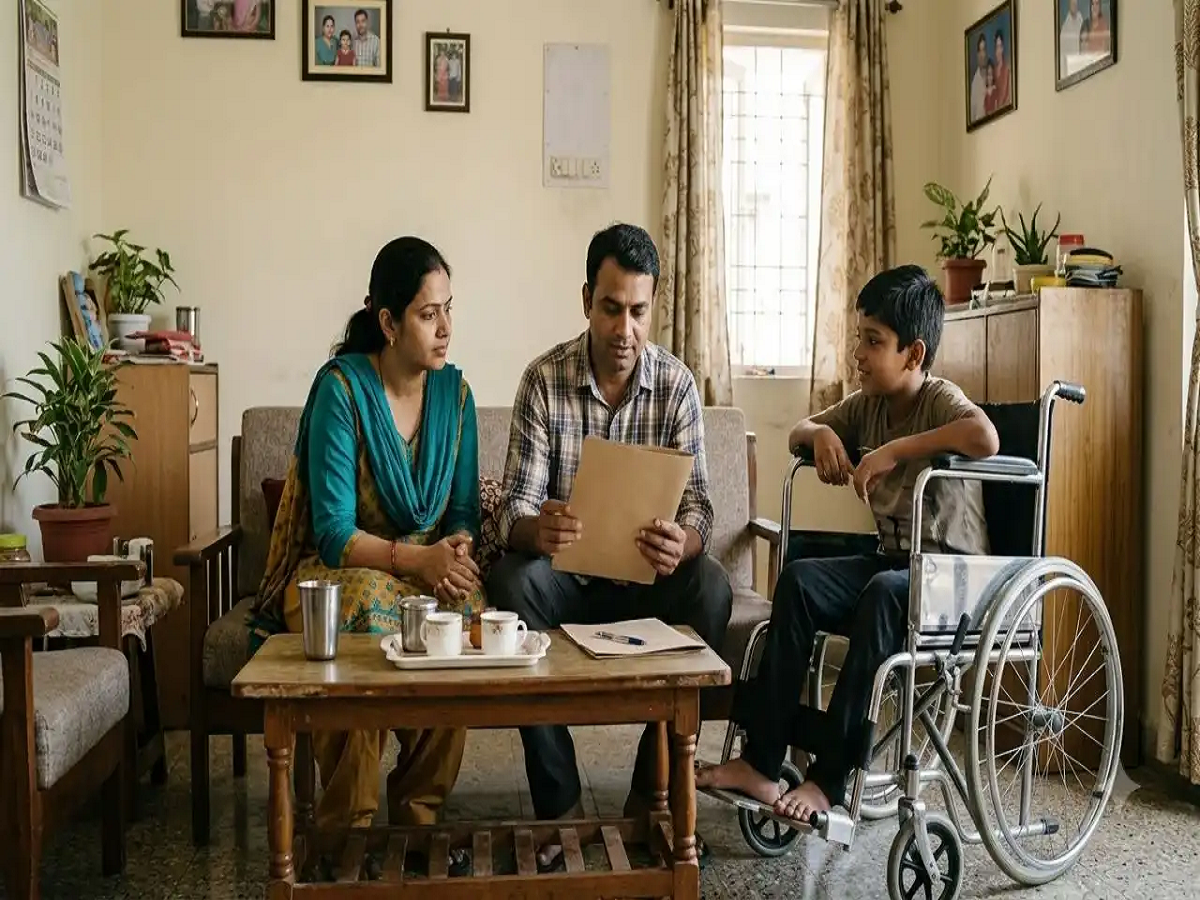
The Government of India has announced important changes to its social assistance programme, bringing a wider group of persons with disabilities within the scope of pension support. The Union Cabinet has approved the continuation of the National Social Assistance Programme for five years, from 2026–27 to 2030–31, with a total financial outlay of ₹53,428 crore. The programme has also been renamed the Pradhan Mantri Samajik Sahayata Yojana.
The decision is particularly significant for families of persons with disabilities, as the eligibility criteria for disability pension have been revised.
What Has Changed Under the Scheme?
Under the revised framework, the benchmark disability requirement for the disability pension has been reduced from 80% to 40%, in line with the Rights of Persons with Disabilities Act, 2016. The minimum age requirement of 18 years has also been removed, allowing eligible children with disabilities to be considered from birth.
The number of beneficiaries under the disability pension component is expected to increase from approximately 8.33 lakh to 27.48 lakh. The government has also revised the amount of central assistance.
How Much Pension Assistance Is Available?
According to the government announcement, central assistance under the revised disability pension framework will be:
-
₹375 per month for eligible beneficiaries aged up to 79 years.
-
₹625 per month for eligible beneficiaries aged 80 years and above.
These are central assistance amounts. State governments and Union Territories may provide additional financial support, so the total pension received can vary depending on where a beneficiary lives.
The old-age pension, widow pension and family benefit components will continue in their existing forms, although their names will change under the renamed programme.
Who Should Check Their Eligibility?
Families may wish to check the revised rules if they include:
-
A person with a certified disability of 40% or more who meets the scheme’s other eligibility requirements.
-
A child with a qualifying disability who was previously unable to apply because of the minimum-age requirement.
-
An existing beneficiary whose records may need updating under the revised framework.
Meeting the disability threshold alone does not automatically guarantee approval. Applicants must also satisfy the applicable household, income or other eligibility conditions specified in the official guidelines.
How Can People Apply or Check Their Status?
The scheme is implemented through state and Union Territory departments, with local bodies such as Gram Panchayats and municipalities helping identify eligible beneficiaries. Payments are generally made through Direct Benefit Transfer.
People interested in applying should contact their local social welfare department, Gram Panchayat, municipality or relevant state pension office. They should keep disability certification, identity documents, bank account details and any other documents required by the local authority ready.
The government has stated that revised guidelines covering eligibility, beneficiary numbers and assistance rates are to be issued and implemented within three months of the announcement. Applicants should therefore confirm the latest operational rules with the relevant department before submitting an application.
Why Is This Update Important?
For families supporting a person with a disability, even modest monthly financial assistance can help with routine expenses. Removing the minimum-age requirement and lowering the disability threshold could make the programme accessible to more people who were previously outside its coverage.
However, beneficiaries should remember that the announced central pension amount may not represent the full amount payable in every state. Checking state-level provisions and official application requirements is essential before relying on a particular payment figure.
For authentic information, citizens can visit the Government of India’s Press Information Bureau at pib.gov.in or consult their state’s social welfare department.
Source: Government of India and Press Information Bureau announcement dated 14 October 2026.