BUSINESS
Government Extends Jal Jeevan Mission: What JJM 2.0 Means for Rural Households and Tap Water Connections
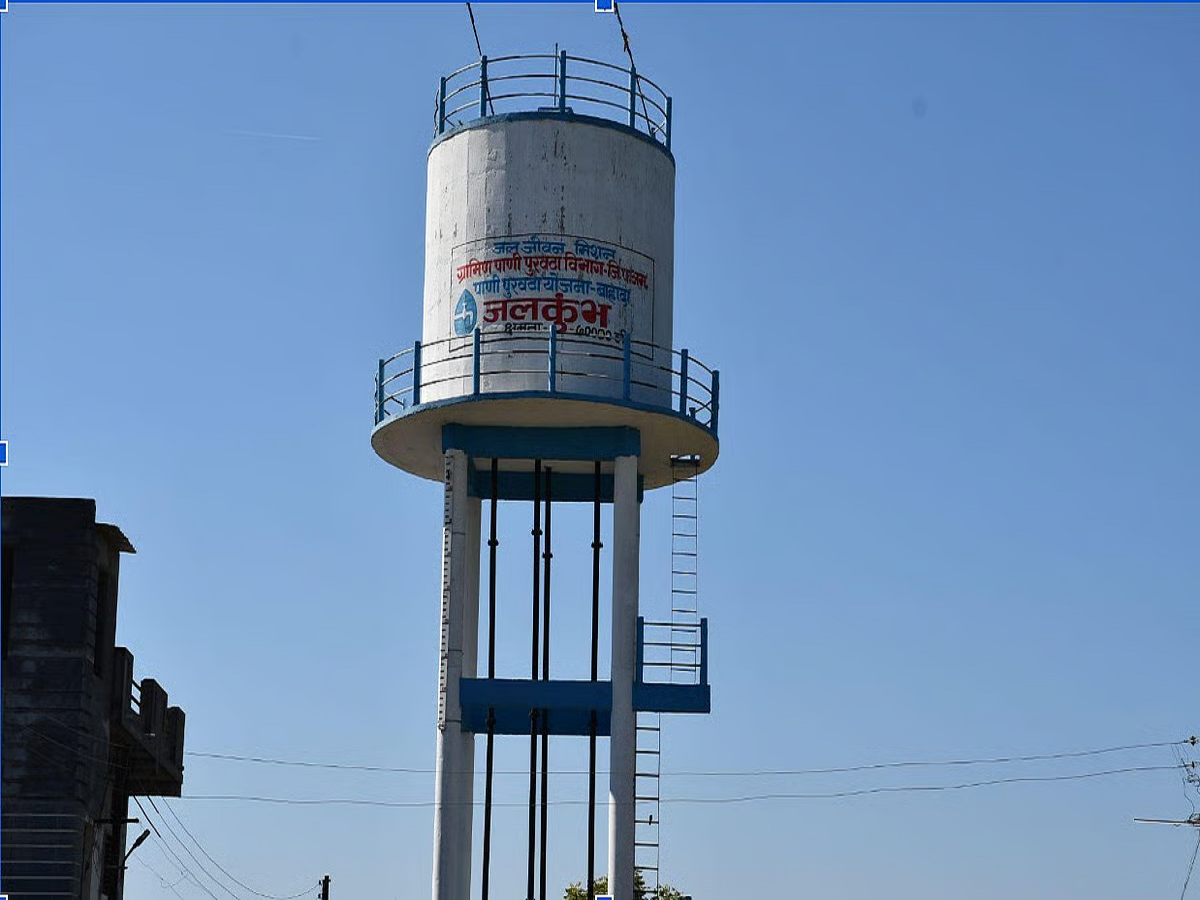
Access to reliable drinking water remains an important issue for rural households, and the Government of India has now extended and restructured the Jal Jeevan Mission with a stronger focus on ensuring that tap-water connections actually provide regular and reliable service.
The Union Cabinet approved the continuation of the mission up to December 2028 under Jal Jeevan Mission 2.0, with an enhanced financial outlay and a shift from simply creating infrastructure toward improving service delivery and long-term sustainability.
What Is Jal Jeevan Mission 2.0?
Jal Jeevan Mission was launched to provide piped drinking water connections to rural households.
Under the new phase, the government is putting greater emphasis on the quality, reliability and sustainability of water services, rather than focusing only on the number of connections installed.
This means villages will increasingly need to ensure that existing water systems continue functioning properly.
Why Is the New Phase Important?
Installing a household tap connection is only the first step.
For families, the real benefit comes when water is available regularly and in adequate quantity.
JJM 2.0 therefore focuses on strengthening the institutional systems required to operate and maintain rural water infrastructure over the long term.
What Will Change for Rural Families?
For eligible rural households, the focus is expected to move toward more dependable water supply.
The government is also emphasizing community participation, water governance and better management of village-level water systems.
This can be particularly important in areas where infrastructure has been created but maintenance or regular supply remains a challenge.
Will Existing Tap Connections Continue?
The new phase is not simply about providing new connections.
A major objective is to make existing rural water-supply infrastructure functional and sustainable. This means villages that already have household connections can also benefit from improvements to their water-supply systems.
The government has described the restructured mission as a move from infrastructure creation toward service delivery.
What Should Households Do?
There is generally no need for a rural household to submit a separate application simply because JJM has entered its new phase.
However, families that have a tap connection but are not receiving regular water should raise the issue through their local panchayat or the appropriate state water-supply authority.
Residents should also keep track of local announcements regarding village water-supply projects and maintenance work.
Why Water Availability Matters Beyond Drinking
Reliable household water can reduce the amount of time families spend collecting water.
It can also make everyday activities such as cooking, cleaning and personal hygiene easier.
The government has previously highlighted the role of rural tap-water access in reducing the burden of fetching water, particularly for women and families.
A Scheme Moving From Connections to Service
One of the biggest changes under JJM 2.0 is the emphasis on what happens after a tap is installed.
A household connection is useful only when the water system behind it is properly maintained and capable of delivering a dependable supply.
The Bottom Line
Jal Jeevan Mission 2.0 has been extended until December 2028, with the government shifting its emphasis toward reliable service delivery, water governance and sustainable rural water infrastructure.
For rural households, the important takeaway is that the next phase is not only about getting a tap connection—it is about making sure that the connection continues to provide usable water on a sustainable basis.