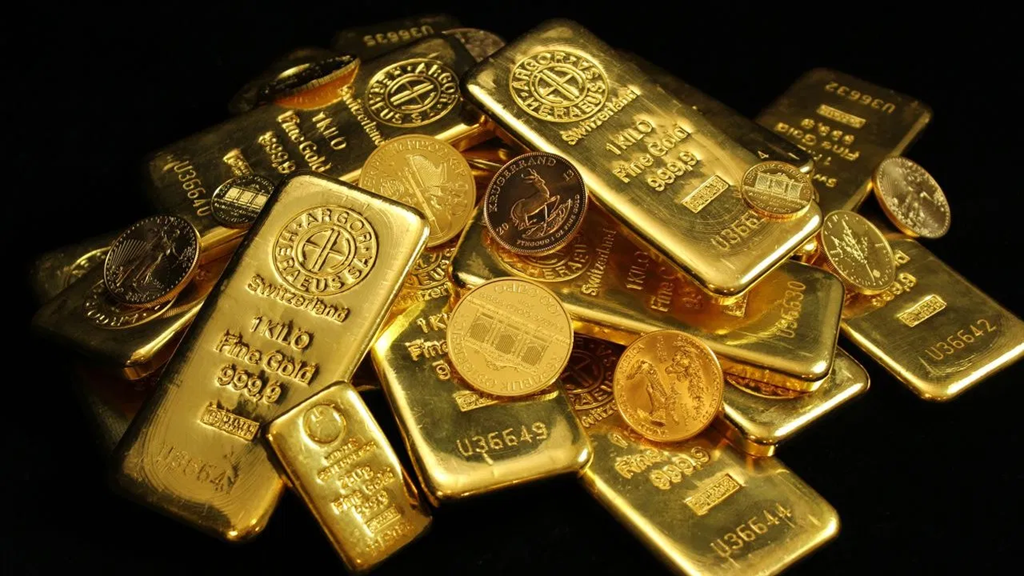
Following reports of a peace agreement between Iran and the United States, gold prices in India reportedly dropped by around ₹15,000. This sudden fall has raised a common question—why does gold become expensive during war, and cheaper when tensions ease?
The answer lies not in gold itself, but in global fear, economics, and investor behavior.
Gold and War: A Relationship Driven by Fear
Gold is more than just a precious metal—it is considered a “safe haven” asset. During times of global conflict or uncertainty, investors tend to avoid risky investments like stocks and move their money into gold.
When fear rises:
-
Stock markets often fall
-
Businesses face uncertainty
-
Inflation concerns increase
-
Investors seek stability
In such situations, demand for gold increases, and prices rise.
Why Gold Reacts to Global Conflicts
Wars such as the Russia–Ukraine conflict or tensions in West Asia create economic instability. This uncertainty pushes investors toward gold because it is seen as a stable store of value.
Simply put:
More fear = more demand for gold = higher prices
India’s Link: Not Direct Gold Trade, but Global Impact
India does not directly depend on Iran for gold imports. However, global tensions involving Iran affect India through other key factors:
1. Crude Oil Prices
Iran is part of a region crucial to global oil supply. Any conflict in this area can push crude oil prices higher.
Since India imports a large share of its oil:
-
Import costs increase
-
Inflation rises
-
Economic pressure builds
2. Dollar–Rupee Exchange Rate
Gold is traded internationally in US dollars.
When:
-
The US dollar strengthens, or
-
The Indian rupee weakens,
gold becomes more expensive in India—even if global gold prices remain unchanged.
3. Inflation and Safe Investment Demand
War and rising oil prices can lead to inflation. In such times, people prefer gold because it is considered a hedge against rising prices and currency value loss.
4. Interest Rates Matter Too
Gold does not generate interest. So:
-
High interest rates make gold less attractive
-
Lower interest rates increase gold demand
US Federal Reserve policies also significantly influence global gold prices.
5. Central Bank Buying
During global uncertainty, many countries increase gold reserves to reduce dependence on the dollar. This additional demand can push prices higher worldwide.
6. Stock Market Movement
There is an inverse relationship between gold and equities:
-
When markets rise, investors prefer stocks
-
When markets fall, they shift to gold
War often triggers stock market volatility, increasing gold demand.
7. Domestic Demand in India
In India, gold demand is also driven by:
-
Weddings
-
Festivals like Diwali and Akshaya Tritiya
-
Seasonal buying trends
High demand periods can amplify global price movements.
8. Taxes and Import Duties
The final gold price in India includes:
-
International gold rates
-
Dollar–rupee exchange rate
-
Import duties
-
GST
-
Making charges
So, even small global changes can feel larger in retail prices.
When Does Gold Become Cheaper?
Gold prices fall when:
-
War tensions reduce
-
Investors return to riskier assets
-
The dollar weakens
-
Interest rates rise
-
Domestic demand slows
The Simple Truth
Gold rises during war because uncertainty rises. When fear spreads, investors seek safety, and gold becomes the preferred choice.
Its price is shaped by a combination of:
-
Global conflicts
-
Oil prices
-
Currency movements
-
Inflation trends
-
Interest rates
-
Market sentiment
In short, gold is not just a commodity—it reflects the world’s fear, trust, and economic stability.