ENTERTAINMENT
From Real Aircraft to Toy Planes: The Secrets Behind Hollywood’s Most Thrilling Aerial Action Scenes
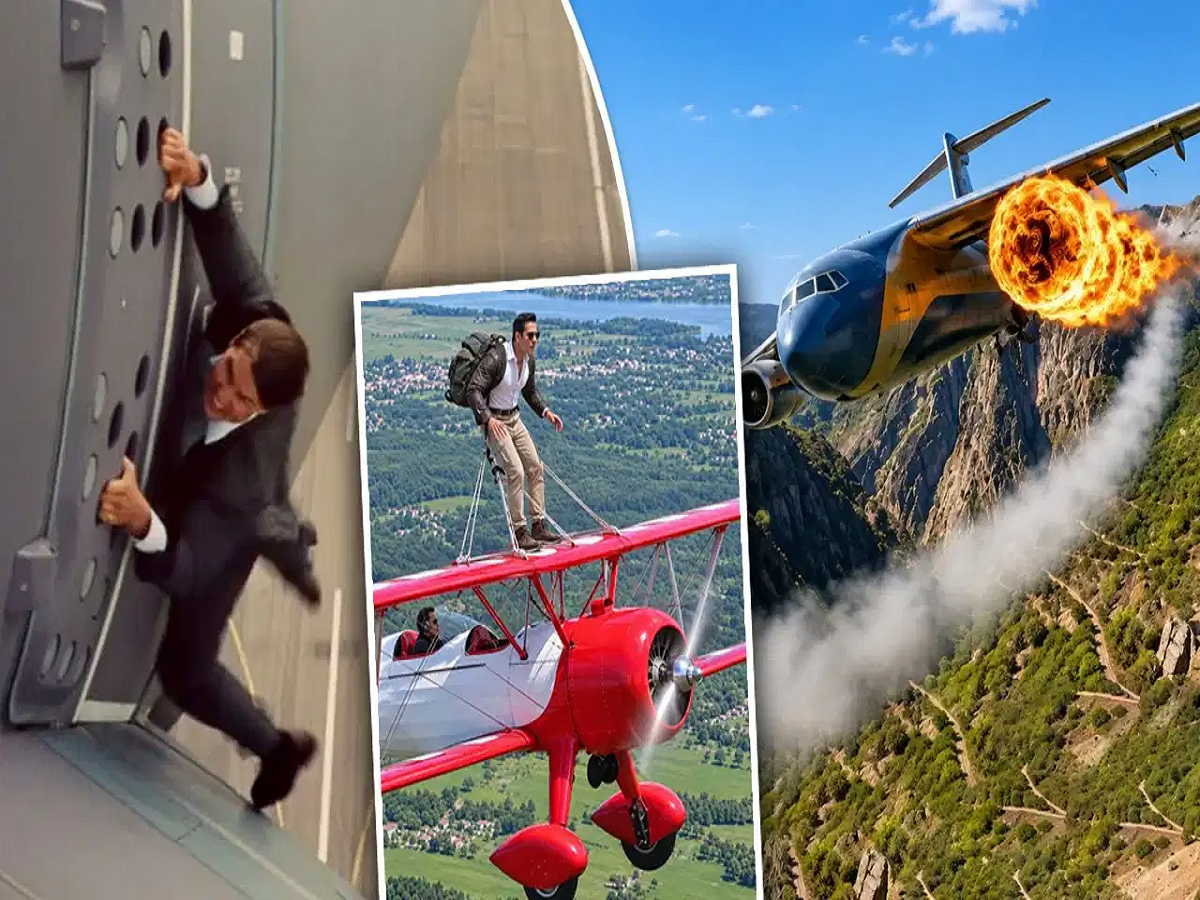
Whether it's an actor performing dangerous stunts inside a flying aircraft or two fighter jets engaging in an intense aerial battle, airplane sequences are among the most exciting moments in action films. However, creating these breathtaking scenes is far more complicated than it appears on screen.
Do actors actually perform stunts thousands of feet above the ground? Are expensive aircraft destroyed to film crash sequences? Or is it all an illusion created using green screens and visual effects?
Filmmakers use several techniques to bring these spectacular scenes to life. Depending on the film's requirements, they may use real aircraft, specially designed studio setups, computer-generated imagery (VFX), or even miniature toy planes.
Let's take a closer look at how these aerial action sequences are filmed.
Real Aircraft, Real Actors and High-Risk Stunts
Some actors choose to perform their own aerial stunts, although such sequences require extensive preparation and professional safety arrangements.
Hollywood star Tom Cruise is well known for performing demanding action sequences himself. In Mission: Impossible – Rogue Nation, he famously hung from the exterior door of a real aircraft while it was flying.
The stunt involved specialised safety equipment, including a harness and cables, which were digitally removed during post-production. Cruise also wore special scleral contact lenses to protect his eyes from the powerful wind.
Akshay Kumar also performed a real aircraft stunt in the 2000 film Khiladi 420. At a time when modern visual effects were not as widely advanced as they are today, he was filmed standing on a small aircraft in flight before jumping towards a hot-air balloon.
The sequence was reportedly performed without a green screen or body double, with a safety harness used during the stunt.
However, such performances are relatively rare. Many dangerous aerial stunts are carried out by professional stunt performers rather than the lead actors themselves. These sequences require careful planning, specialised equipment and trained professionals.
Why Are Most Aircraft Scenes Filmed Indoors?
Using real aircraft for every action sequence is not practical. It can be expensive, technically complicated and difficult to manage, particularly when a scene involves crashes, explosions or close-up shots inside the cockpit.
As a result, filmmakers often recreate aircraft interiors inside studios. These setups can include simulated cockpits, green screens, motion-controlled gimbal rigs and wind machines.
Such arrangements allow actors to perform their scenes in a controlled environment while the background movement, turbulence and surrounding aerial action are created separately.
Green Screens and VFX Create the Illusion
Visual effects play an important role in modern aircraft sequences. Green screens and computer-generated imagery allow filmmakers to create convincing skies, flying aircraft, aerial battles and dramatic crash scenes without putting actors or expensive real aircraft in unnecessary danger.
Different shots can be combined during post-production to make the final sequence appear as though it was filmed thousands of feet above the ground.
Virtual production techniques can also help filmmakers create realistic environments while shooting inside a studio.
Toy Planes Can Also Play a Role
Believe it or not, miniature aircraft models can also be used in filmmaking. These models help recreate certain wide-angle aircraft shots and large-scale action sequences.
With carefully designed sets, camera techniques, lighting and visual effects, miniature planes can appear much larger and more realistic on screen.
The Reality Behind Those Breathtaking Scenes
The next time you watch an actor hanging from a flying aircraft or fighter jets battling in the sky, remember that the sequence may be a combination of real stunts, studio filming, miniature models and advanced visual effects.
Filmmakers choose the technique according to the scene's requirements, budget and safety considerations. The final result is designed to make audiences feel as though they are witnessing real aerial action, even when much of the scene has been created on a studio set.