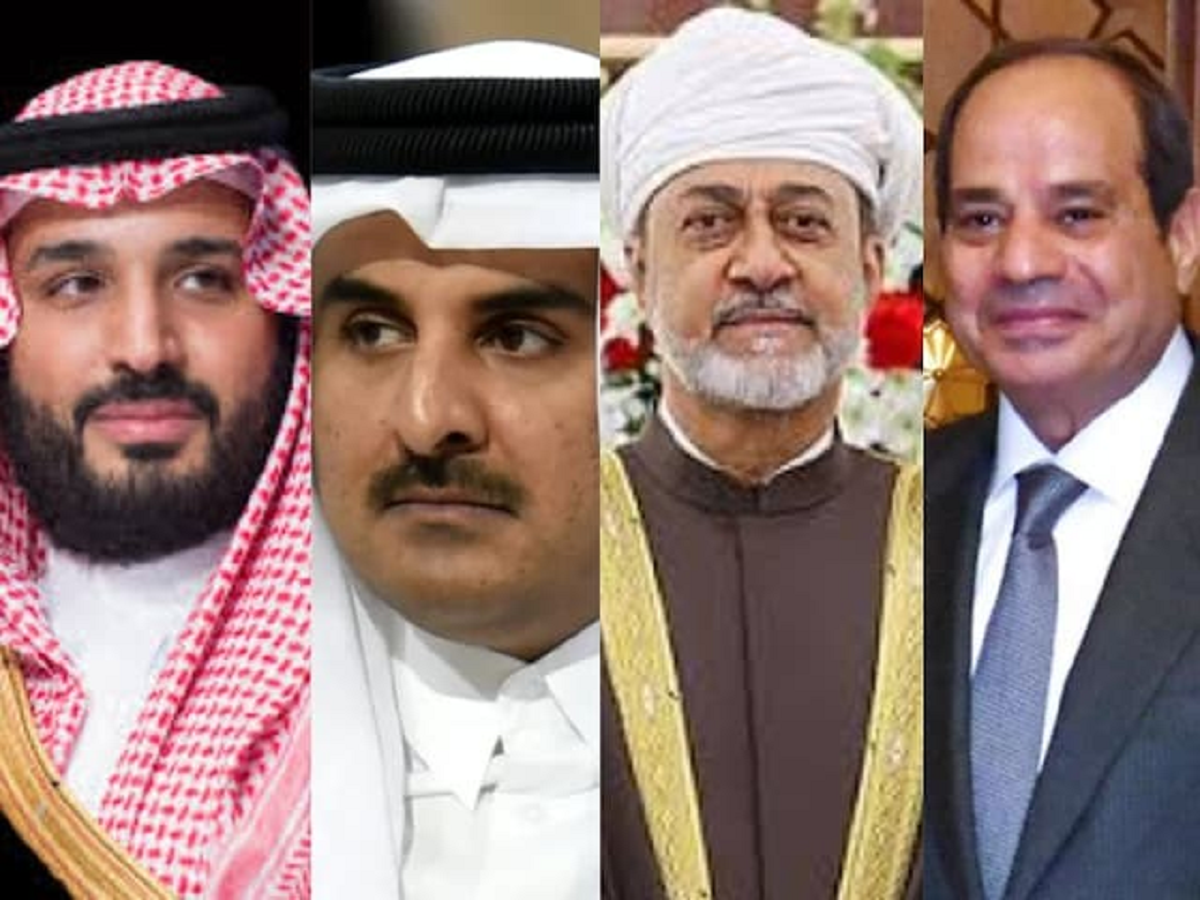
A potential US military attack on Iran was averted after intense behind-the-scenes diplomacy led by four key Arab countries—Saudi Arabia, Qatar, Oman, and Egypt. What began as strong signals of imminent action from Washington turned into a sudden softening of tone within just 48 hours, highlighting the impact of coordinated regional intervention.
Behind-the-scenes pressure on Washington
US President Donald Trump initially indicated readiness for immediate action against Iran, particularly amid reports of protests and internal unrest. However, by Thursday morning, his stance appeared noticeably calmer. Publicly, Trump cited a reduction in executions of protesters in Iran as the reason for restraint. Diplomats and defence analysts, however, suggest the real factor was sustained pressure from Arab allies.
According to sources, as Washington debated military options, diplomatic channels from Riyadh, Doha, Muscat, and Cairo remained active around the clock. These countries jointly warned the US that an attack on Iran would not remain a limited conflict but could destabilise the entire Middle East.
They cautioned that war would disrupt oil supplies, spike global energy prices, damage supply chains, and ultimately harm the US economy. Moreover, years of economic stabilisation and reform efforts in the region would be undone.
A parallel warning to Tehran
The same four countries also conveyed a strong message to Iran. They made it clear that any retaliatory attack on US bases located in Gulf countries would have severe consequences. Iran was warned that dragging neighbouring nations into the conflict would result in complete diplomatic isolation and a breakdown of regional economic ties—an outcome Iran can ill afford given existing sanctions.
Why the Gulf countries were alarmed
The concerns of Saudi Arabia and other Gulf nations stem from direct exposure. Several of these countries host large US military installations, making them potential targets in the event of escalation. There were also fears that Iran could strike critical infrastructure such as oil facilities and power plants.
Memories of the 2019 attack on Saudi Aramco’s oil facilities remain vivid, underscoring how vulnerable global energy markets could become in a renewed conflict.
Changing regional equations
The involvement of Saudi Arabia and Egypt marks a significant shift. Historically wary of Iran, both countries now place greater emphasis on regional stability. Saudi Arabia, in particular, is focused on its Vision 2030 economic transformation and is keen to avoid any conflict that could derail its development goals.
Oman and Qatar, meanwhile, have long acted as intermediaries between Iran and the West. Their recent mediation roles in other regional conflicts have strengthened their credibility in Washington, giving additional weight to their warnings.
A pause, not a resolution
By late Wednesday night, Iranian officials reportedly confirmed that the US had assured them there would be no immediate attack. While tensions remain unresolved, the past 48 hours demonstrated how coordinated regional diplomacy can temporarily halt even the most serious military escalation.