TECH
Forget Passwords! Passkeys Are Changing How You Log In to Apps and Websites: Here's How the Technology Works
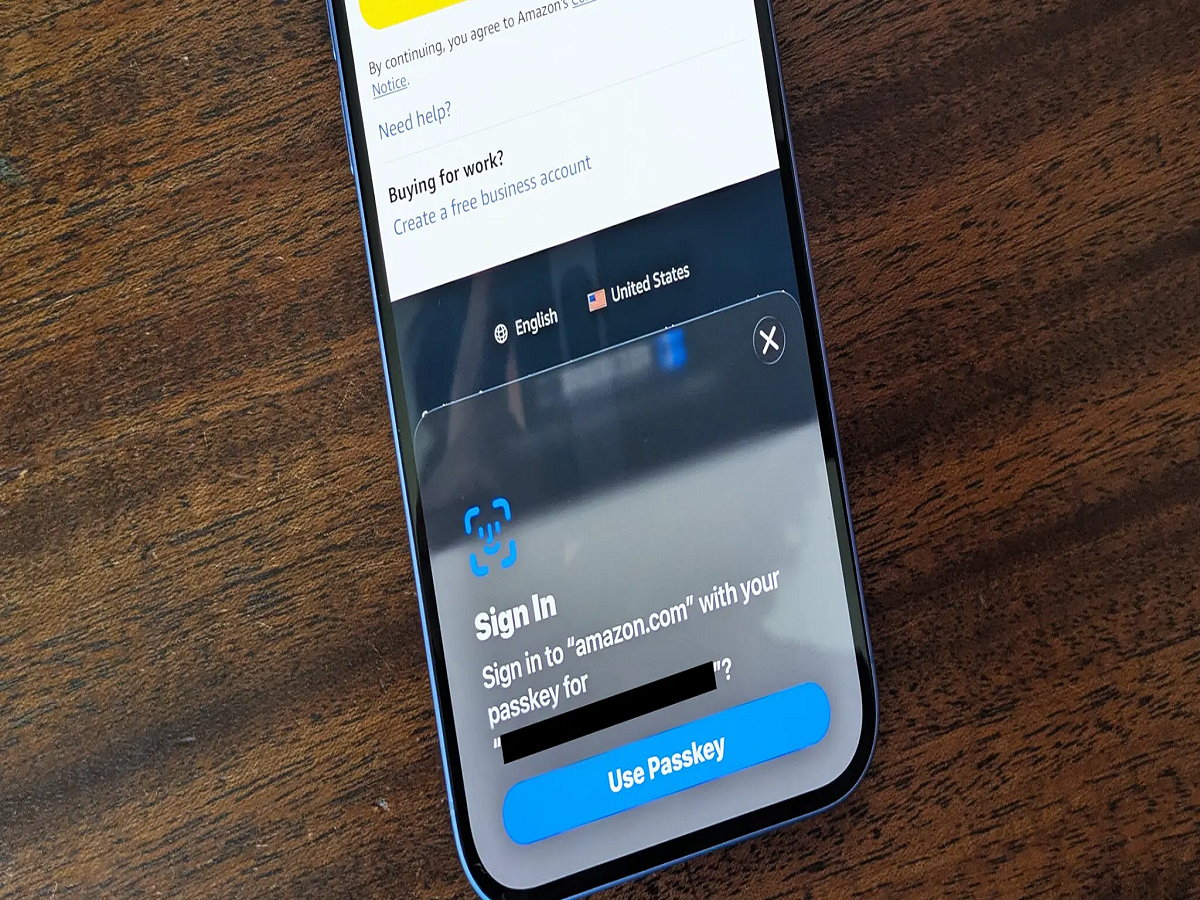
Remembering passwords for dozens of websites and mobile applications has become a daily challenge. From banking apps and social media accounts to shopping websites and email services, almost every digital platform requires users to create and remember login credentials.
However, a new authentication technology called Passkeys is gradually changing how people access their online accounts. Instead of typing a password every time, users can sign in using their fingerprint, face recognition or device screen lock.
What Exactly Are Passkeys?
Passkeys are digital login credentials designed to replace traditional passwords. They use a technology based on public-key cryptography to verify a user's identity.
When you create a passkey for a website or application, two cryptographic keys are generated:
-
A private key that remains securely stored on your device or within its supported credential manager.
-
A public key that is shared with the website or service to verify your login.
When you try to sign in, the website sends a verification challenge to your device. Your device uses the private key to respond, while the website checks the response using the public key.
This process allows you to log in without entering a traditional password.
How Do You Log In Using a Passkey?
The process is relatively simple and usually takes only a few seconds.
-
Open a website or application that supports passkeys.
-
Select the option to create or use a passkey.
-
Verify your identity using your fingerprint, face recognition or device PIN.
-
Your device securely completes the authentication process.
-
You are logged in without typing a password.
The biometric information is generally used locally to unlock the credential. It is not sent to the website as part of the passkey authentication process.
Why Are Passkeys Considered More Secure Than Passwords?
Traditional passwords can be stolen through phishing websites, data breaches, malware and password-reuse attacks.
Passkeys offer several security advantages:
-
Phishing resistance: A passkey is associated with the website or application for which it was created.
-
No password to remember: Users do not need to create complicated passwords for every account.
-
Protection against credential theft: The private key is not shared with the website during login.
-
Biometric authentication: Supported devices can use fingerprints or facial recognition to authorise access.
-
Reduced password reuse: Users can create separate passkeys for different services.
However, passkeys do not eliminate every security risk. Users should still protect their devices, enable account recovery options and keep their operating systems updated.
Can You Use Passkeys on Android and iPhone?
Yes. Passkeys are supported across modern Android and Apple devices, as well as compatible computers and web browsers.
On Android devices, passkeys can be managed through supported Google Password Manager services.
On iPhones, users can manage supported passkeys through Apple's password and credential management features.
Depending on the service and device settings, passkeys may also synchronise across devices connected to the same account.
What Happens If You Lose Your Phone?
Losing your smartphone does not necessarily mean losing access to every account protected by passkeys.
If your passkeys are synchronised through a supported credential manager, you may be able to access them from another device after completing the required account verification.
However, if a passkey is stored only on a device that is lost or damaged, recovery may depend on the website's alternative account recovery process.
This is why maintaining updated recovery email addresses, phone numbers and backup authentication options remains important.
Should You Stop Using Passwords Completely?
Not immediately. Although passkeys are becoming more common, not every website, banking platform or application supports them.
You can start using passkeys wherever the option is available while retaining strong, unique passwords for services that still require them.
For additional protection, enable two-factor authentication on important accounts and avoid clicking suspicious login links received through messages or emails.
Are Passkeys the Future of Online Security?
Passkeys represent an important shift in digital authentication. They make logging in faster while reducing several weaknesses associated with traditional passwords.
As more technology companies, financial platforms and online services adopt this system, users may gradually move towards a password-free digital experience.
The biggest advantage is convenience combined with stronger phishing protection. Instead of remembering dozens of passwords, users can authenticate themselves through the devices they already use every day.